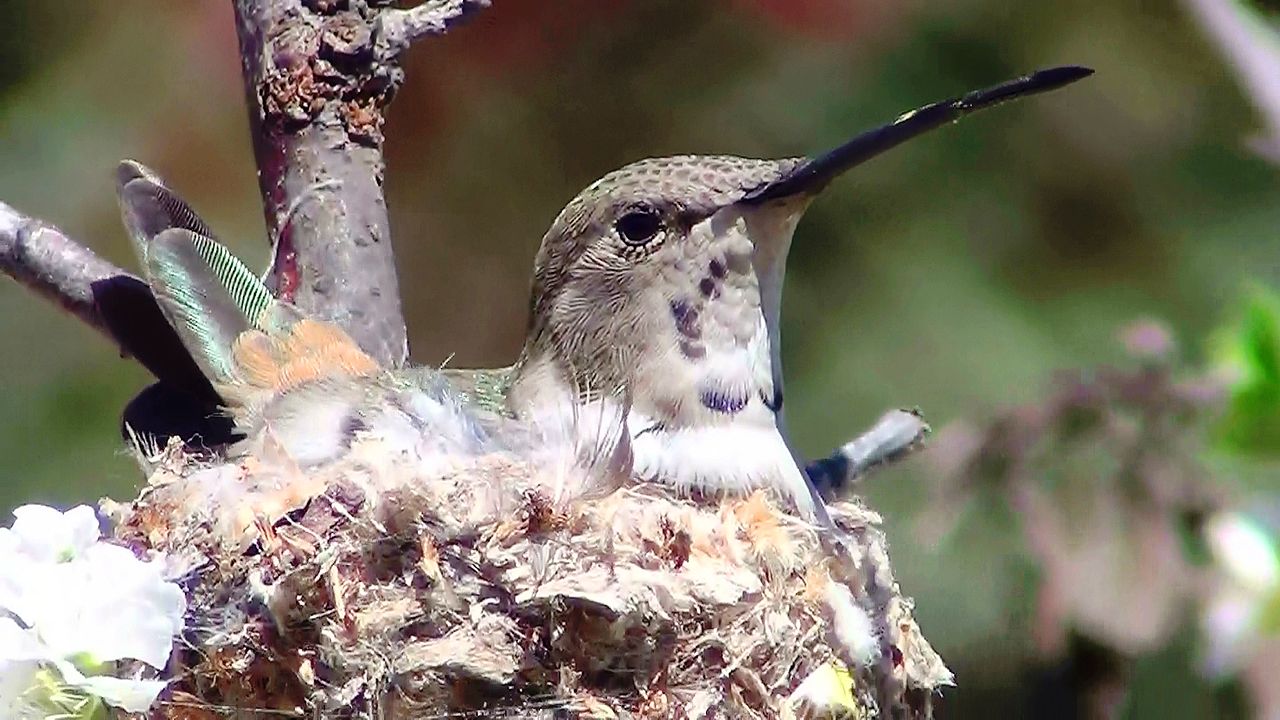
The Oʻahu ʻamakihi is a species of Hawaiian honeycreeper in the family Fringillidae. The male is rich yellow below, sharply contrasted with greenish upper parts. Females are duller and have two prominent wing-bars. It has a total length of approximately 4.5 inches (11 cm). It is endemic to the island of Oʻahu in Hawaiʻi, and is likely the only surviving honeycreeper endemic to the island.
Region
Hawaiian Islands (Oʻahu)
Typical Environment
Confined to the island of Oʻahu, it occupies a broad range of habitats from native wet and mesic ‘ōhi‘a–koa forests to drier shrublands and mixed, disturbed woodlands. It also occurs in non-native forest, secondary growth, and landscaped areas, including parks and gardens. The species forages from understory to canopy, often following flowering trees. Its tolerance of disease vectors allows it to persist at lower elevations where many other honeycreepers are scarce.
Altitude Range
Sea level to 1200 m
Climate Zone
Tropical
Ease of Keeping
Beginner friendly: 1/5
This small Hawaiian honeycreeper has adapted unusually well to low-elevation habitats where mosquitoes transmit avian malaria, showing notable tolerance compared with many other honeycreepers. It often forages in native ‘ōhi‘a and koa but also uses non-native trees and even suburban plantings. Males are brighter yellow, while females are duller with noticeable wing-bars. Its flexible diet and habitat use have helped it persist as one of the few honeycreepers still common on Oʻahu.


Temperament
active and adaptable
Flight Pattern
short rapid wingbeats with quick, bounding movements between trees
Social Behavior
Often seen singly, in pairs, or small family groups, and may join mixed-species flocks while foraging. Territorial during breeding, with cup-shaped nests placed in shrubs or small trees. Breeding can occur much of the year in suitable conditions, peaking in late winter to spring.
Migratory Pattern
Resident
Song Description
Males deliver a bright, sweet series of trills and buzzy warbles that vary by locality. Calls include sharp chips and thin tseet notes used in contact and alarm.
Plumage
Males are rich yellow below with olive-green upperparts; plumage is smooth and slightly glossy. Females are duller yellow-olive with two pale wing-bars and more subdued underparts. Both sexes have a slightly decurved bill and relatively plain face.
Diet
Gleans arthropods such as caterpillars, beetles, and spiders from foliage and bark. Frequently takes nectar from ‘ōhi‘a lehua and other flowering trees, including some introduced species. Also consumes small fruits and plant juices when available, shifting diet with seasonal blooms.
Preferred Environment
Forages in native ‘ōhi‘a–koa forests as well as mixed and non-native woodlands, often at mid to upper canopy but also in understory shrubs. Will feed in suburban gardens and parks when flowering resources are present.