

Newton's parakeet, also known as the Rodrigues parakeet or Rodrigues ring-necked parakeet, is an extinct species of parrot that was endemic to the Mascarene island of Rodrigues in the western Indian Ocean. Several of its features diverged from related species, indicating long-term isolation on Rodrigues and subsequent adaptation. The rose-ringed parakeet of the same genus is a close relative and probable ancestor. Newton's parakeet may itself have been ancestral to the endemic parakeets of nearby Mauritius and Réunion.
Region
Mascarene Islands, western Indian Ocean
Typical Environment
Confined to the small volcanic island of Rodrigues, where it occupied native forest and woodland. It most likely foraged in the canopy and along forest edges, using tree cavities and broken limbs for roosting and nesting. Historical notes suggest it ranged from coastal woodlands into inland valleys and upland slopes where old-growth trees persisted. As forests were cleared, the bird would have been pushed into remnant patches and degraded scrub.
Altitude Range
Sea level to 400 m
Climate Zone
Tropical
Ease of Keeping
Beginner friendly: 1/5
Newton's parakeet, also called the Rodrigues parakeet, was an island parrot endemic to Rodrigues in the Mascarene Islands and is now extinct. It likely evolved in long isolation from a rose-ringed parakeet ancestor, developing several distinctive features. The species vanished after extensive habitat loss, hunting, and predation by introduced animals. It is known today from a handful of specimens and historical accounts, serving as a classic example of island endemism and vulnerability.

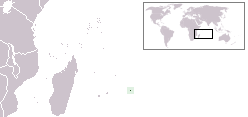

Illustration of the female holotype specimen, by John Gerrard Keulemans, 1875

Sternum and mandible extracted from the female specimen, 1875

The echo parakeet of nearby Mauritius, the closest living relative

Jossigny's other 1770s life drawing

Keulemans' plate from Walter Rothschild's 1907 book Extinct Birds, based on his 1875 illustration of the female specimen


Statues in Hungary of Newton's parakeet and the also extinct broad-billed parrot of Mauritius
Temperament
social and active
Flight Pattern
strong flier with rapid wingbeats and direct flight
Social Behavior
Likely formed small, noisy flocks outside the breeding season and foraged cooperatively in fruiting trees. Breeding pairs probably nested in tree cavities, as in related Psittacula, with both sexes attending the nest. Clutches were probably small, and young remained with parents for weeks after fledging. Historic accounts suggest alert, wary behavior in open areas.
Migratory Pattern
Resident
Song Description
Calls were probably loud, metallic screeches and chattering notes typical of ring-necked parakeets. In flight, it likely gave sharp contact calls repeated in quick series; perched birds exchanged rasping squawks and softer conversational notes.
Plumage
Predominantly green with a bluish-grey wash on the head and nape; long, tapering tail with darker flight feathers. Males likely showed a faint pinkish hind-neck collar and a narrow black chin stripe typical of ring-necked parakeets. Feathers appeared sleek and close-fitting, with a glossy sheen on the upperparts.
Diet
A primarily plant-based diet of seeds, fruits, buds, and flowers. It likely fed on native palms, screw pines (Pandanus), and other endemic trees and shrubs, taking seasonally abundant fruits. It may have also consumed leaf shoots and nectar when available. Historical ecosystem parallels suggest occasional visits to cultivated trees as forests declined.
Preferred Environment
Most feeding occurred in the mid- to upper canopy of intact or semi-intact forest and old woodland edges. It also foraged in riparian trees and sheltered valleys where moisture and fruiting plants persisted. As habitat was cleared, it would have used remaining groves and thickets.


