
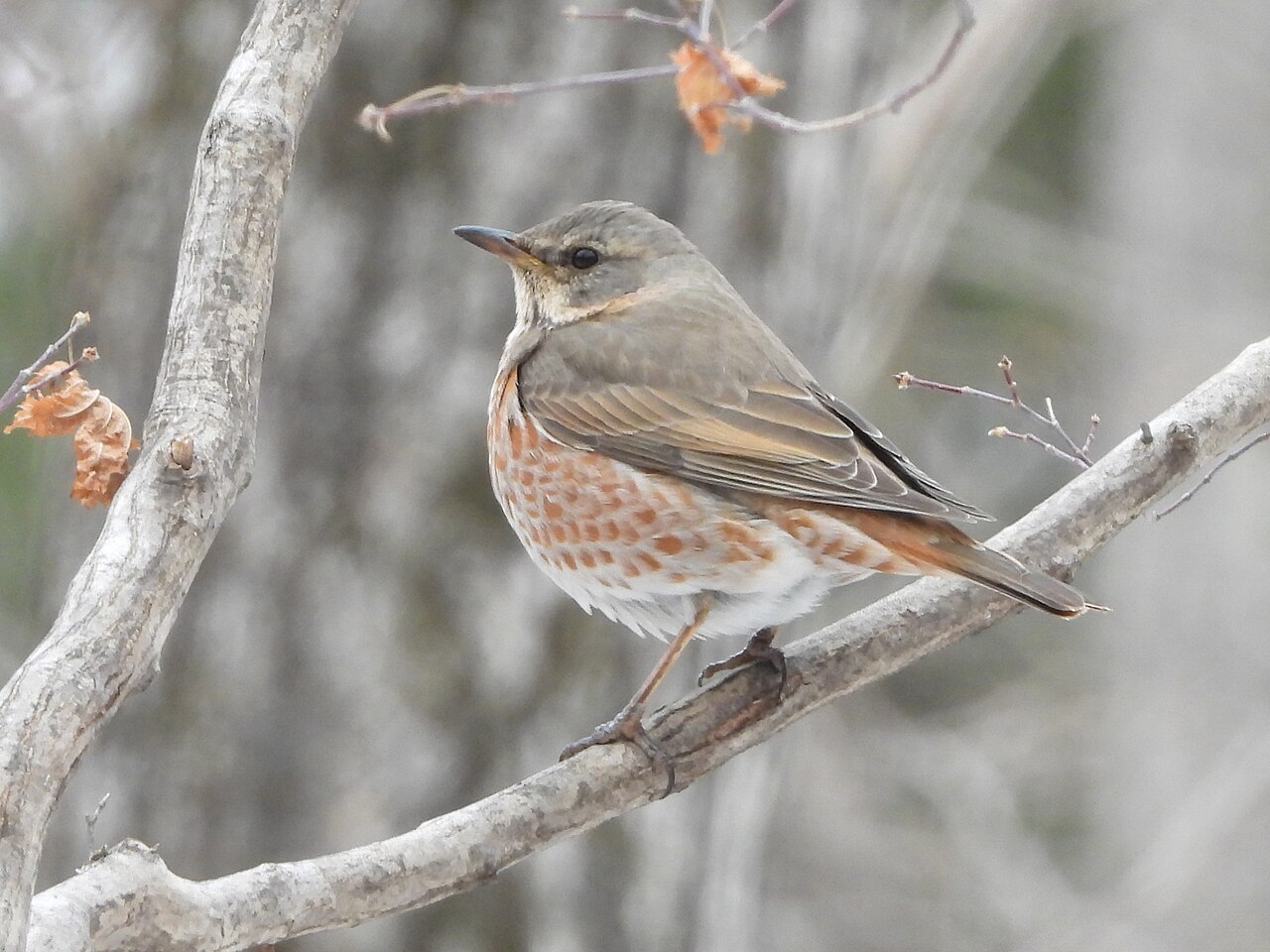
Naumann's thrush is a species of the thrush family Turdidae which breeds eastwards from central Siberia to North Manchuria, Amurland and Sakhalin. It is closely related to the more northerly breeding dusky thrush T. eunomus; the two have often been regarded as conspecific.
Region
Northeast and East Asia
Typical Environment
Breeds in open woodland, forest edges, riverine thickets, and scrub from central Siberia through northeastern China to Sakhalin. In winter it moves south to lowlands, agricultural landscapes, orchards, parks, and urban green spaces across eastern China, Korea, and Japan. Prefers areas with scattered trees and dense undergrowth for cover. Often forages on the ground in leaf litter or on short turf, shifting to berry-rich shrubs in winter.
Altitude Range
0–2000 m
Climate Zone
Temperate
Ease of Keeping
Beginner friendly: 1/5
Naumann's thrush breeds from central Siberia east to Manchuria, Amurland, and Sakhalin, and winters mainly in eastern China, the Korean Peninsula, and Japan. It is closely related to the dusky thrush (Turdus eunomus) and the two can be tricky to separate in the field, with Naumann's showing warmer rufous tones. The species occasionally reaches Western Europe and Alaska as a rare vagrant. Hybrids with dusky thrush occur where ranges overlap.

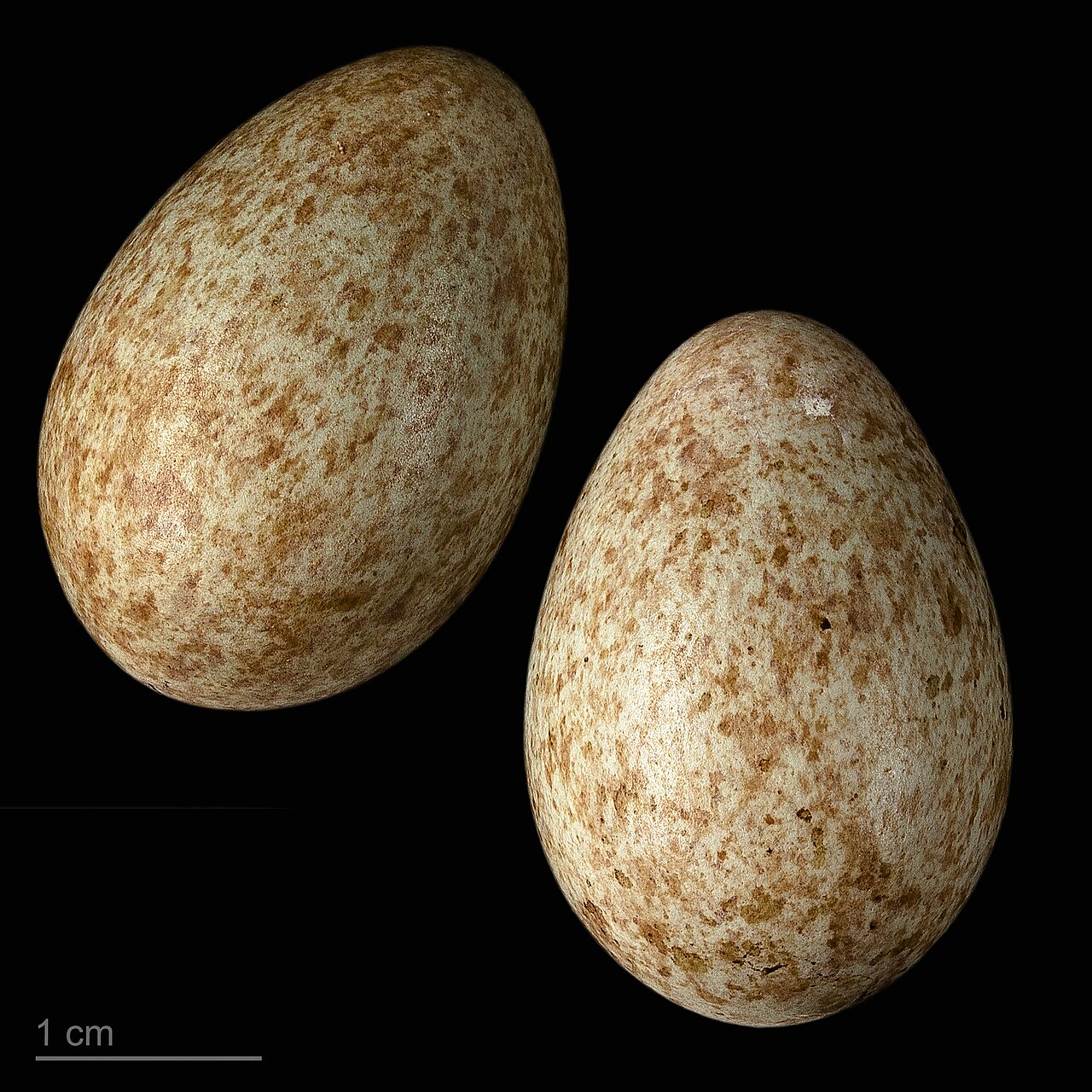
Turdus naumanni - MHNT
Temperament
solitary and territorial
Flight Pattern
strong flier with rapid, direct wingbeats
Social Behavior
Territorial pairs during the breeding season, nesting low in trees or dense shrubs in a cup of twigs and grasses. Clutches typically contain 3–5 eggs, and both parents feed the young. Outside the breeding season it often joins loose flocks, sometimes with other thrushes, at rich food sources.
Migratory Pattern
Seasonal migrant
Song Description
Song is a soft, varied warble with thin whistles and short phrases, quieter and less fluid than many Turdus thrushes. Calls include a sharp tchik and thin, sibilant tseep, with harsher rattles in alarm.
Plumage
Warm brown upperparts with a distinctly rufous rump and tail; pale underparts with rufous or chestnut scaling on the breast and flanks. Broad whitish supercilium contrasts with darker ear coverts. Underwing coverts are reddish, noticeable in flight.
Diet
Insects, spiders, and earthworms dominate in the breeding season, gleaned from the ground and low vegetation. In autumn and winter it shifts to berries and small fruits such as rowan, juniper, and hawthorn, supplemented by seeds and invertebrates when available. It probes leaf litter and short grass, and will hawk briefly for flying insects.
Preferred Environment
Feeds mostly on the ground in open woodlands, forest edges, scrub, and parklands. In winter it frequents hedgerows, orchards, gardens, and farmlands with ample fruiting shrubs.


