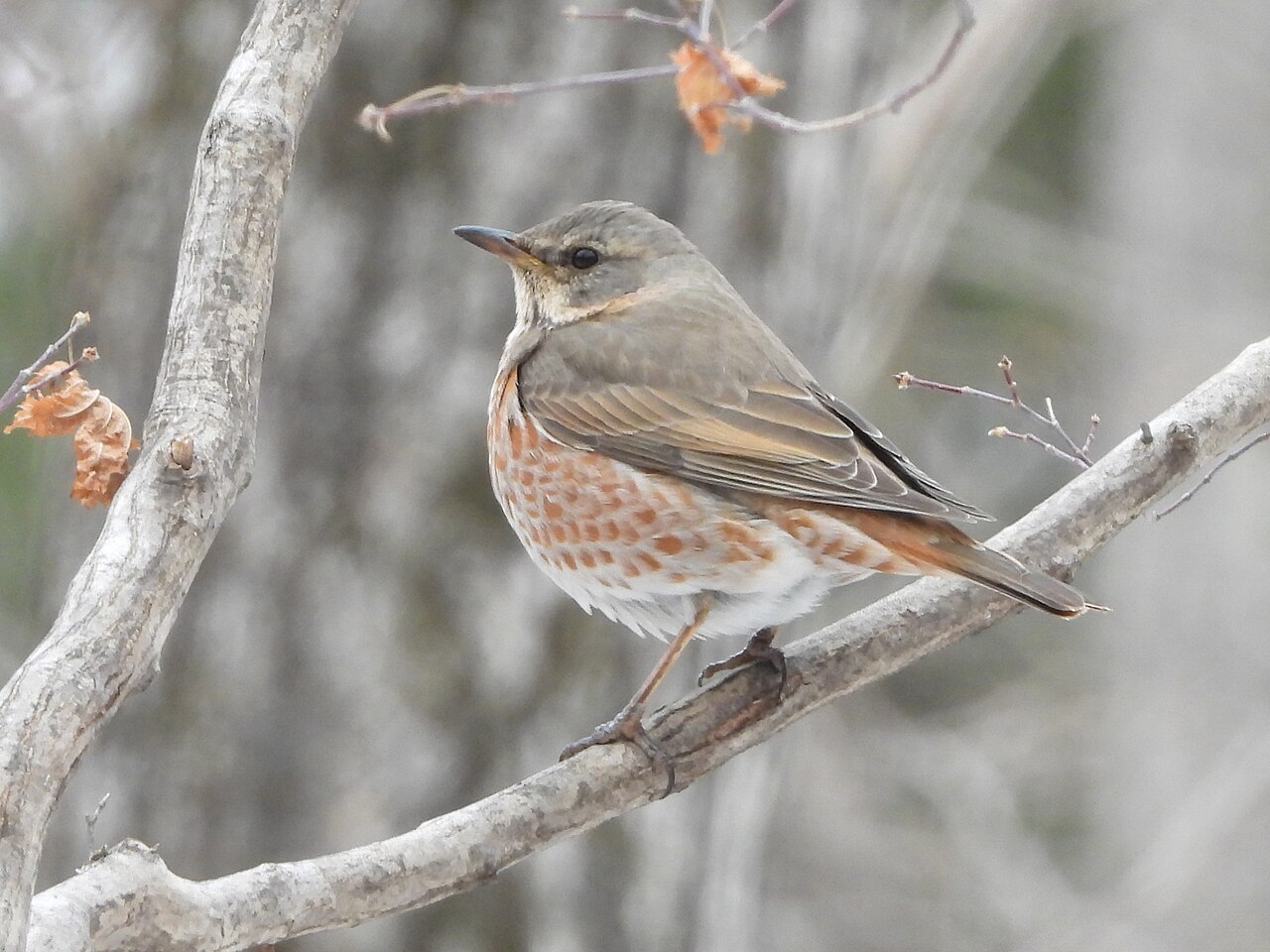
The narrow-billed woodcreeper is a species of bird in the subfamily Dendrocolaptinae of the ovenbird family Furnariidae. It is found in Argentina, Bolivia, Brazil, Paraguay, Suriname, and Uruguay.
Region
South America
Typical Environment
Occurs widely from eastern Bolivia and central/southern Brazil through Paraguay and Uruguay into northern and central Argentina, with populations also in Suriname and adjacent northern lowlands. It favors open to semi-open woodlands, gallery forests, Chaco and Cerrado mosaics, palm groves, and forest edges. It is regular in second growth, riparian strips, and scattered trees in savanna or ranchland, and can use plantations and urban parks. It generally avoids the deep interior of dense evergreen rainforest but thrives where trees are spaced and understory is patchy.
Altitude Range
Sea level to 1800 m
Climate Zone
Subtropical
Ease of Keeping
Beginner friendly: 1/5
This agile woodcreeper spirals up trunks and large branches, bracing with its stiff tail much like a woodpecker while it probes bark for prey. It tolerates a wide range of semi-open habitats and often persists in human-modified landscapes such as parks and plantations. Several subspecies vary subtly in brightness and streaking, but all share the slender, slightly decurved bill that gives the species its name.


Temperament
alert and active
Flight Pattern
short, undulating flights between trees
Social Behavior
Typically forages singly or in pairs, hitching up trunks and large branches while probing bark crevices and epiphytes. Often joins mixed-species flocks in open woodlands and along forest edges. Nests in natural cavities or old woodpecker holes, with pairs defending a territory during the breeding season.
Migratory Pattern
Resident
Song Description
Vocalizations are a series of high, thin, slightly descending whistles delivered in a short phrase. Calls include sharp tseet or weet notes and brief trills, often given while foraging or when interacting with a mate.
Plumage
Warm brown upperparts with fine pale buff streaking on the head and mantle; wings and long tail are distinctly rufous. Underparts are buffy to olive-brown with the heaviest streaking on the throat and upper breast, becoming plainer toward the belly. Feathers are sleek and close-fitting, suited to clinging and probing along bark.
Diet
Feeds mainly on arthropods such as beetles, ants, termites, spiders, and roaches, gleaned from bark and dead leaf clusters. It probes crevices, under loose bark, and among epiphytes, occasionally sallying a short distance to seize flushed prey. It may take small vertebrates opportunistically and sometimes attends ant swarms to capture fleeing insects.
Preferred Environment
Forages on tree trunks, large branches, vine tangles, and dead palm fronds within open woodland, gallery forest, and edges. Readily uses scattered trees in savanna, ranchland, orchards, and city parks where mature trees are available.