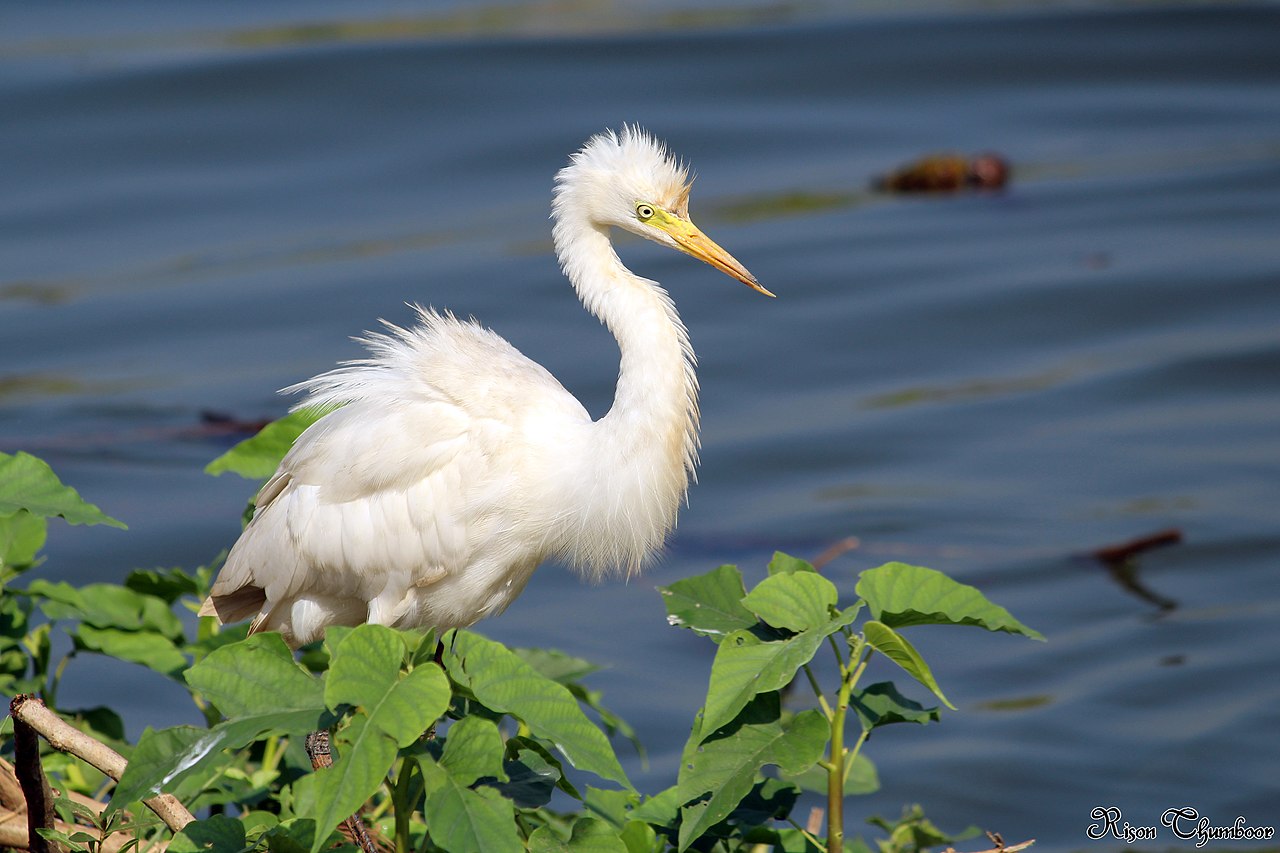
The medium egret, median egret, smaller egret or intermediate egret, is a medium-sized heron. Some taxonomists put the species in the genus Egretta or Mesophoyx. It is a resident breeder in southern and eastern Asia.
Region
Southern and Eastern Asia
Typical Environment
Found widely across the Indian Subcontinent, Southeast Asia, and parts of East Asia in lowland wetlands. It frequents marshes, flooded grasslands, rice paddies, shallow lakes, mangrove edges, and slow-flowing rivers. The species commonly roosts and nests in trees near water, often in mixed-species colonies. It adapts well to agricultural wetlands, especially irrigated fields and fishpond margins.
Altitude Range
Sea level to 2000 m
Climate Zone
Tropical
Ease of Keeping
Beginner friendly: 1/5
Also called the intermediate or median egret, this medium-sized heron bridges the size gap between little and great egrets. Many authorities place it in the genus Ardea, though it has also been classified as Mesophoyx or Egretta historically. In breeding season it grows elegant filamentous plumes and shows subtle soft-tissue color changes. It often nests in mixed heronries with other herons, egrets, and cormorants.


Sketch comparing gapes of intermediate and great egrets


Temperament
wary but often loosely gregarious
Flight Pattern
steady flight with slow, deep wingbeats and retracted neck
Social Behavior
Often forages singly or in small groups, but gathers at rich feeding sites. Nests colonially, frequently with other herons and egrets, building stick platforms in trees over water. Pairs are seasonally monogamous; 3–5 pale eggs are typical, with both parents sharing incubation and chick-rearing.
Migratory Pattern
Resident
Song Description
Generally quiet away from colonies. At nests and roosts it gives harsh croaks and grating calls, along with soft grunts during displays.
Plumage
All-white plumage with soft, filamentous breeding plumes on the back and neck in season.
Diet
Feeds mainly on small fish, amphibians, aquatic insects, crustaceans, and occasionally small reptiles. It uses a patient stand-and-wait strategy, striking quickly with its dagger-like bill. It may also stir the water with its feet or slowly stalk along the shoreline to flush prey.
Preferred Environment
Shallow freshwater wetlands, rice fields, and the margins of lakes, ponds, and slow rivers. Also forages along mangrove creeks and in temporarily flooded fields.