

The malleefowl is a stocky ground-dwelling Australian bird about the size of a domestic chicken. It is notable for the large nesting mounds constructed by the males and lack of parental care after the chicks hatch. It is the only living representative of the genus Leipoa, though the extinct giant malleefowl was a close relative.
Region
Southern Australia
Typical Environment
Occurs patchily across semi-arid and temperate mallee woodlands and shrublands of Western Australia, South Australia, Victoria, and New South Wales. Prefers sandy or loamy soils with dense eucalypt mallee, acacia thickets, and abundant leaf litter for mound building. Uses a mosaic of older, undisturbed vegetation for nesting and nearby open areas for foraging. Avoids heavily cleared farmland and areas with frequent intense fire.
Altitude Range
Sea level to 500 m
Climate Zone
Arid
Ease of Keeping
Beginner friendly: 1/5
Malleefowl are megapodes that incubate their eggs in large compost-like mounds built and tended by the male, who regulates the temperature by adding or removing sand and leaf litter. Chicks hatch fully feathered and receive no parental care, leaving the mound within hours and capable of short flight soon after. It is the sole living member of the genus Leipoa.

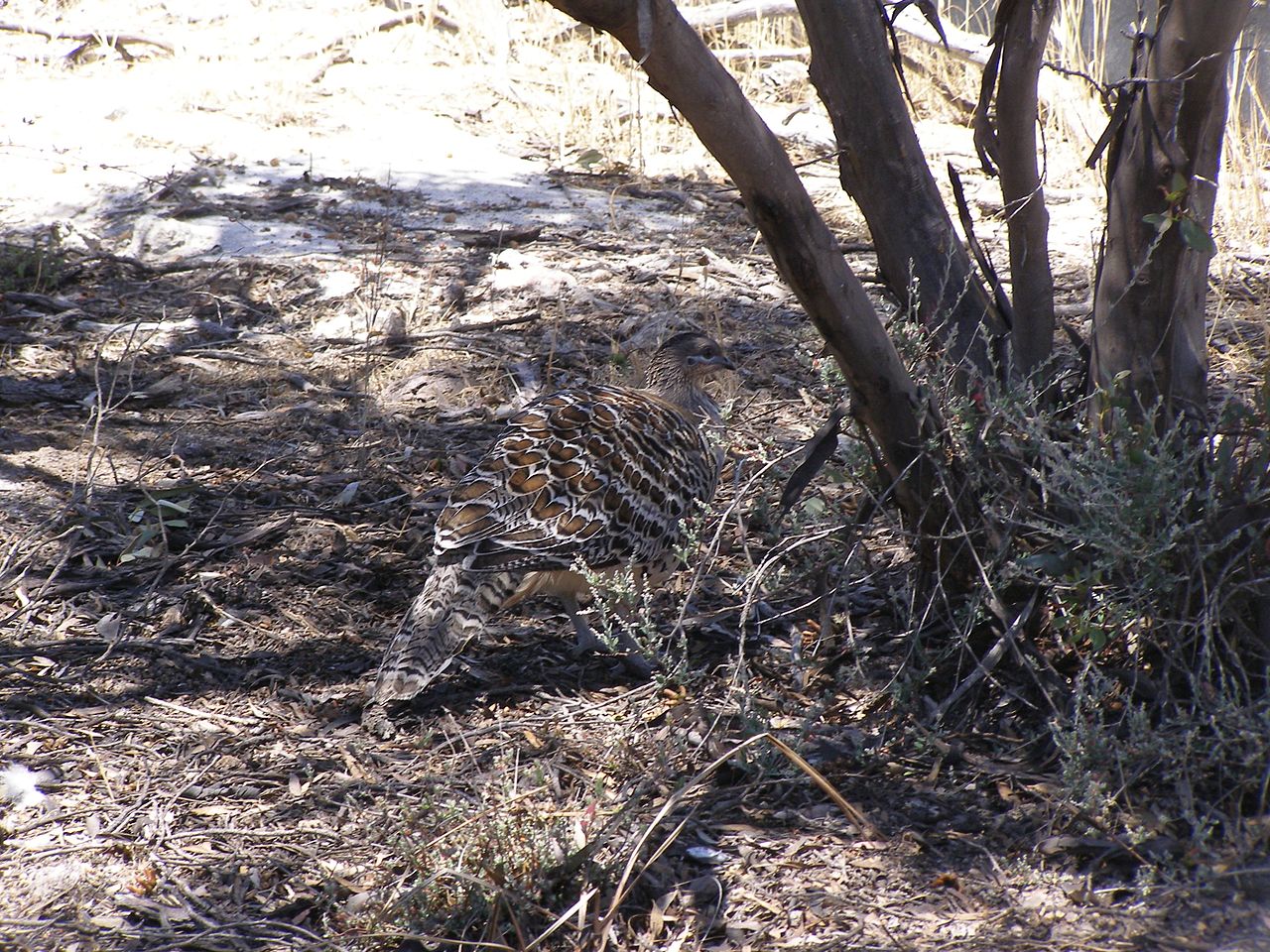
Malleefowl camouflaged

Malleefowl mound

This cross-section of a malleefowl mound shows a layer of sand (up to 1 m thick) used for insulation, egg chamber, and layer of rotting compost. The egg chamber is kept at a constant 33°C by opening and closing air vents in the insulation layer, while heat comes from the compost below.
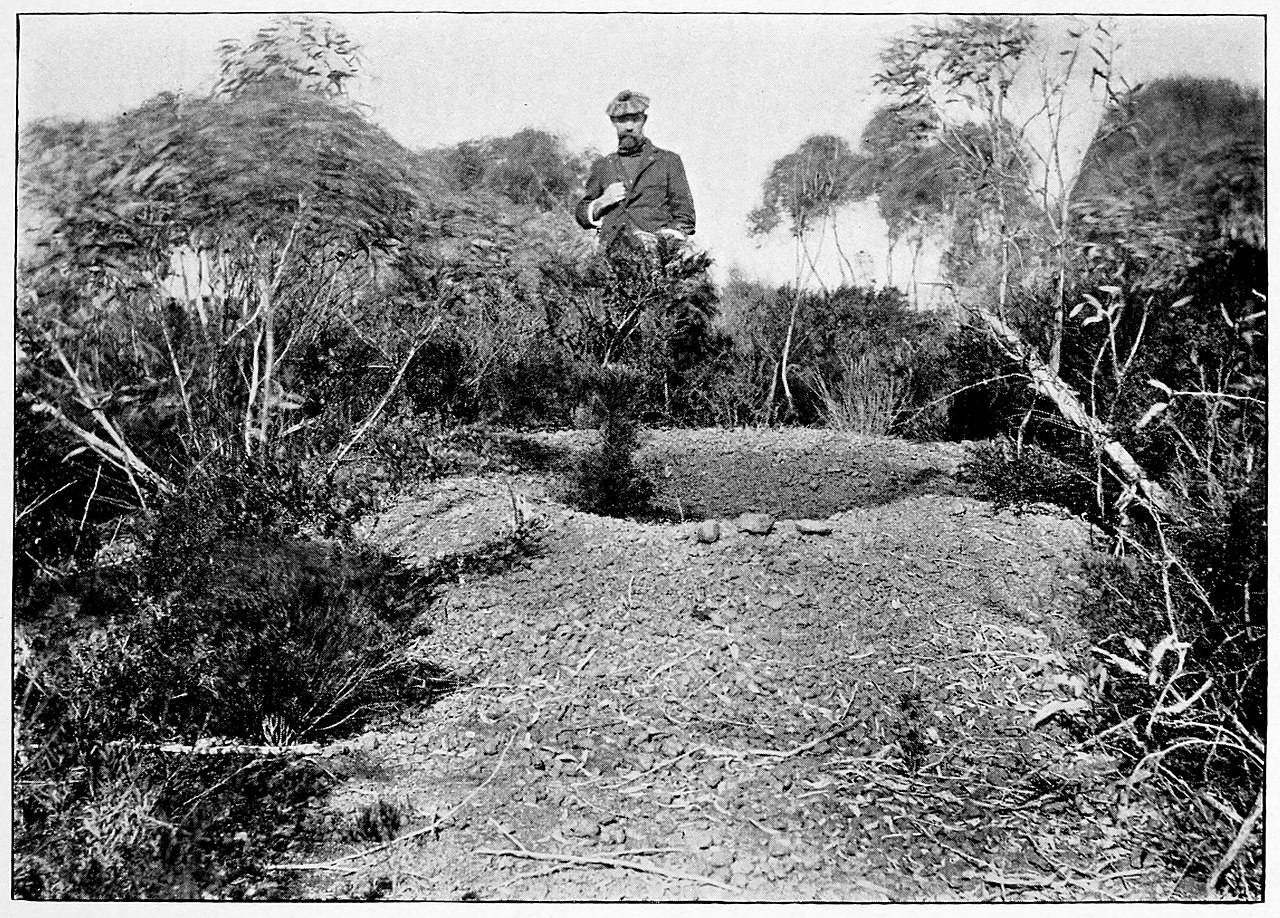
Mound photographed at Wongan Hills, Western Australia in 1900s.

Fossils of Progura gallinacea, the extinct giant malleefowl of Australia.
Temperament
shy and cryptic
Flight Pattern
reluctant flier with short, heavy flights
Social Behavior
Usually solitary or in pairs, forming long-term pair bonds in some areas. Males construct and maintain large nesting mounds, monitoring temperature with their bill and feet and adjusting the covering material accordingly. No parental care is given after hatching; chicks disperse immediately.
Migratory Pattern
Resident
Song Description
Vocalizations are generally low and subdued, including soft grunts and cooing notes around the mound. Alarm calls are harsher clucks and croaks when disturbed.
Plumage
Coarsely mottled and 'ocellated' grey-brown plumage with white and black speckling; underparts pale with dark barring; long, wedge-shaped tail and short crest.
Diet
Feeds on seeds, fruits, buds, and leaves of mallee eucalypts and shrubs, supplemented by insects such as ants, termites, beetles, and larvae. Will take bulbs, fungi, and other invertebrates opportunistically, especially after rain. Forages by scratching through leaf litter and soil to uncover food. Diet varies seasonally with resource availability.
Preferred Environment
Forages on the ground within dense mallee and adjacent open patches, along tracks, and at the edges of scrub. Seeks shade and cover during hot periods, emerging to feed when temperatures are cooler.


