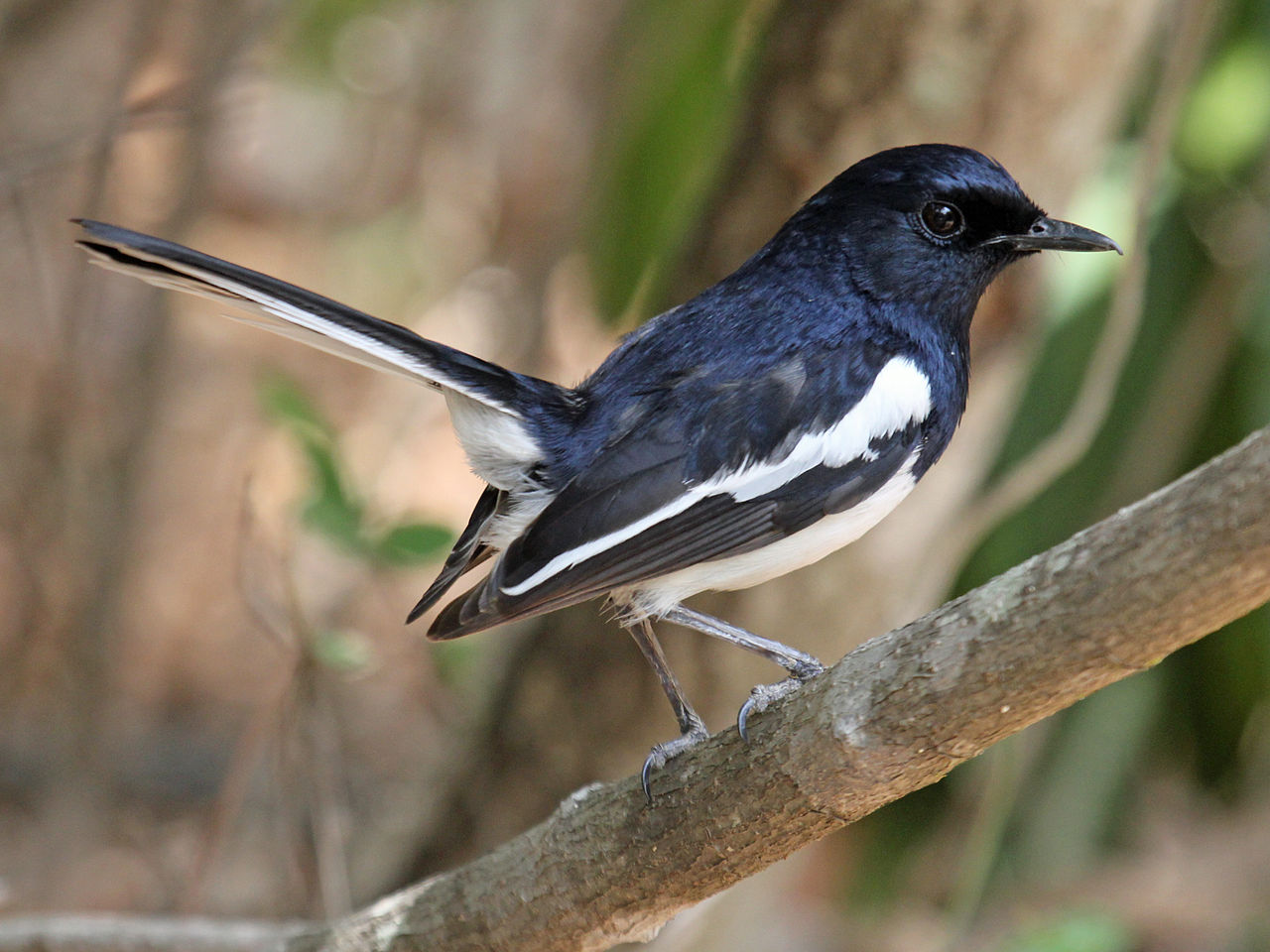
The Madagascar green pigeon or Madagascan green pigeon is a species of bird in the family Columbidae. It is endemic to Madagascar. The taxon griveaudi, by most authorities considered a subspecies of the Madagascan green pigeon, is sometimes considered a separate species, the Comoros green pigeon. Its natural habitats are subtropical or tropical dry forest and subtropical or tropical moist lowland forest.
Region
Madagascar
Typical Environment
Occurs widely in Madagascar’s lowland and foothill forests, including both moist evergreen forests of the east and drier deciduous forests of the west and northwest. It frequents forest edges, riverine corridors, wooded savannas, and fruiting trees in secondary growth and plantations. Often found in the canopy but will descend to mid-levels where fruit is abundant. Tolerates some habitat disturbance provided fruiting trees remain.
Altitude Range
Sea level to 1500 m
Climate Zone
Tropical
Ease of Keeping
Beginner friendly: 2/5
The Madagascar green pigeon is an arboreal fruit specialist that spends much of its time high in the canopy, often clambering among branches in a parrot-like manner. It is an important seed disperser for many native trees, especially figs. Some authorities have split the Comoros population as the Comoros green pigeon. Like other pigeons, it can drink by suction, allowing rapid water intake.


Treron australis in Madagascar
Temperament
social and active
Flight Pattern
short rapid wingbeats with swift, direct flight between fruiting trees
Social Behavior
Often seen in pairs or small flocks, larger gatherings forming at heavily fruiting trees. Monogamous pairs build a flimsy platform nest of twigs placed well above ground in dense foliage. Both sexes share incubation and chick-rearing duties. Outside breeding, it is loosely gregarious and tolerant of other frugivores.
Migratory Pattern
Resident
Song Description
Gives soft, muffled cooing phrases and low hoots, often delivered from concealed perches in the canopy. Calls can include a rising, whistled coo used in contact and courtship. Vocalizations carry poorly through dense foliage, contributing to its often inconspicuous presence.
Plumage
Smooth, leaf-green upperparts with a subtly scalloped look on the wing coverts; males show a grayish head and nape, females more uniformly green. Underparts yellowish to olive-yellow with cleaner pale undertail. Flight feathers are darker slate with yellow edging; a chestnut to maroon panel on the wing coverts is often visible in flight.
Diet
Primarily eats fruits, especially figs (Ficus), along with berries and drupes from a variety of native and secondary-growth trees. Swallows small fruits whole and later disperses seeds over wide areas. May supplement with buds, tender leaves, and occasional flowers during lean fruit periods. Foraging is mostly arboreal, rarely gleaning on the ground.
Preferred Environment
Feeds high in the canopy at fruiting trees along forest edges, riverine strips, and within mature forest. Also visits orchards and plantations where suitable fruit is available. Often forages quietly, moving methodically among branches.