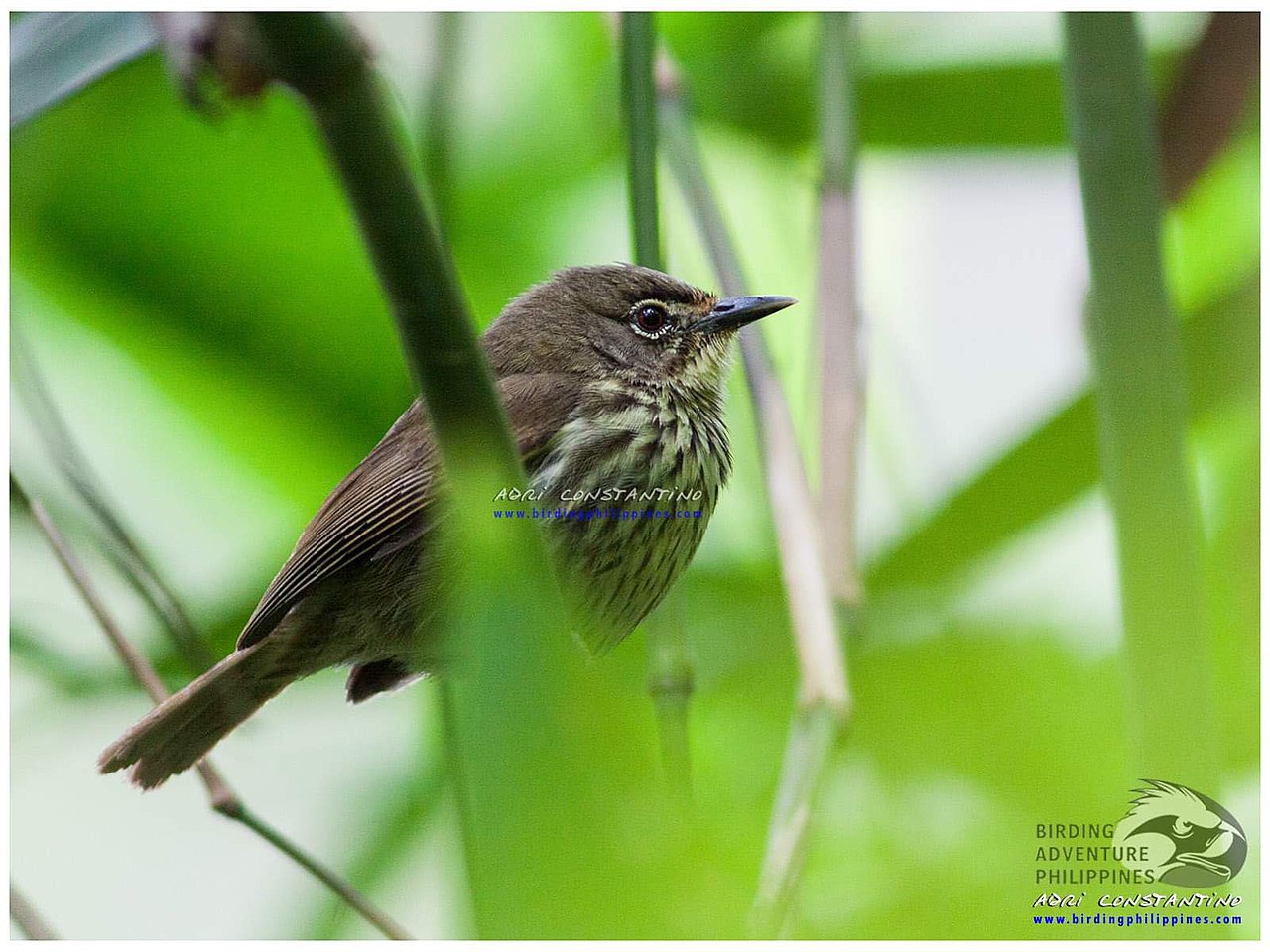
Luzon island thrush is a species of passerine in the family Turdidae. It is endemic to the island of Luzon in the Philippines. It was formerly considered to be two separate subspecies of Island thrush until 2024 when it was classified as a distinct species by the IOC and Clements checklist.
Region
Northern Philippines
Typical Environment
Occurs in montane and mossy forests on Luzon, favoring mature, humid broadleaf forest with dense leaf litter. It uses forest edges, clearings, and selectively logged areas if sufficient understory remains. Birds often keep close to slopes, ravines, and stream gullies where cover is thick. It is primarily resident in high elevations, with only short local movements in response to food availability.
Altitude Range
900–2900 m
Climate Zone
Highland
Ease of Keeping
Beginner friendly: 1/5
The Luzon island thrush is a recently recognized species in the Turdidae, restricted to highland forests of Luzon in the Philippines. It forages quietly on the forest floor and lower understory, often remaining inconspicuous in dense cover. Like many island thrushes, it shows subtle but distinctive plumage and vocal differences tied to its isolated montane habitats.

Male of the nominate subspecies T. t. thomassoni on Mount Polis
Temperament
shy and skulking
Flight Pattern
short rapid wingbeats between perches
Social Behavior
Usually solitary or in pairs, maintaining territories in dense upland forest. Nests are cup-shaped and placed low in shrubs or small trees, with both parents attending the young. Foraging is mostly on or near the ground by hopping and flipping leaf litter.
Migratory Pattern
Resident
Song Description
A soft, fluted series of whistles interspersed with thin tseep notes. The song carries in calm forest conditions but is not especially loud, and call notes are short and high-pitched.
Plumage
Mostly dark brown to sooty-brown above with paler brown underparts and a contrasting pale or buffy throat washed with fine dusky mottling. Slight scaling or mottling may be visible on the breast in good light. Tail and wings appear darker, with a subtle warm tone on the flanks in some individuals.
Diet
Takes a mix of invertebrates such as beetles, ants, caterpillars, and earthworms, along with small fruits and berries. It often probes leaf litter and soft soil, gleaning prey from low vegetation. During fruiting peaks, it may shift to more frugivory, following seasonal availability.
Preferred Environment
Feeds on shaded forest floors, along trails, stream edges, and within dense understory of mossy montane forest. It may also forage at forest edges and light gaps where fruiting shrubs occur.