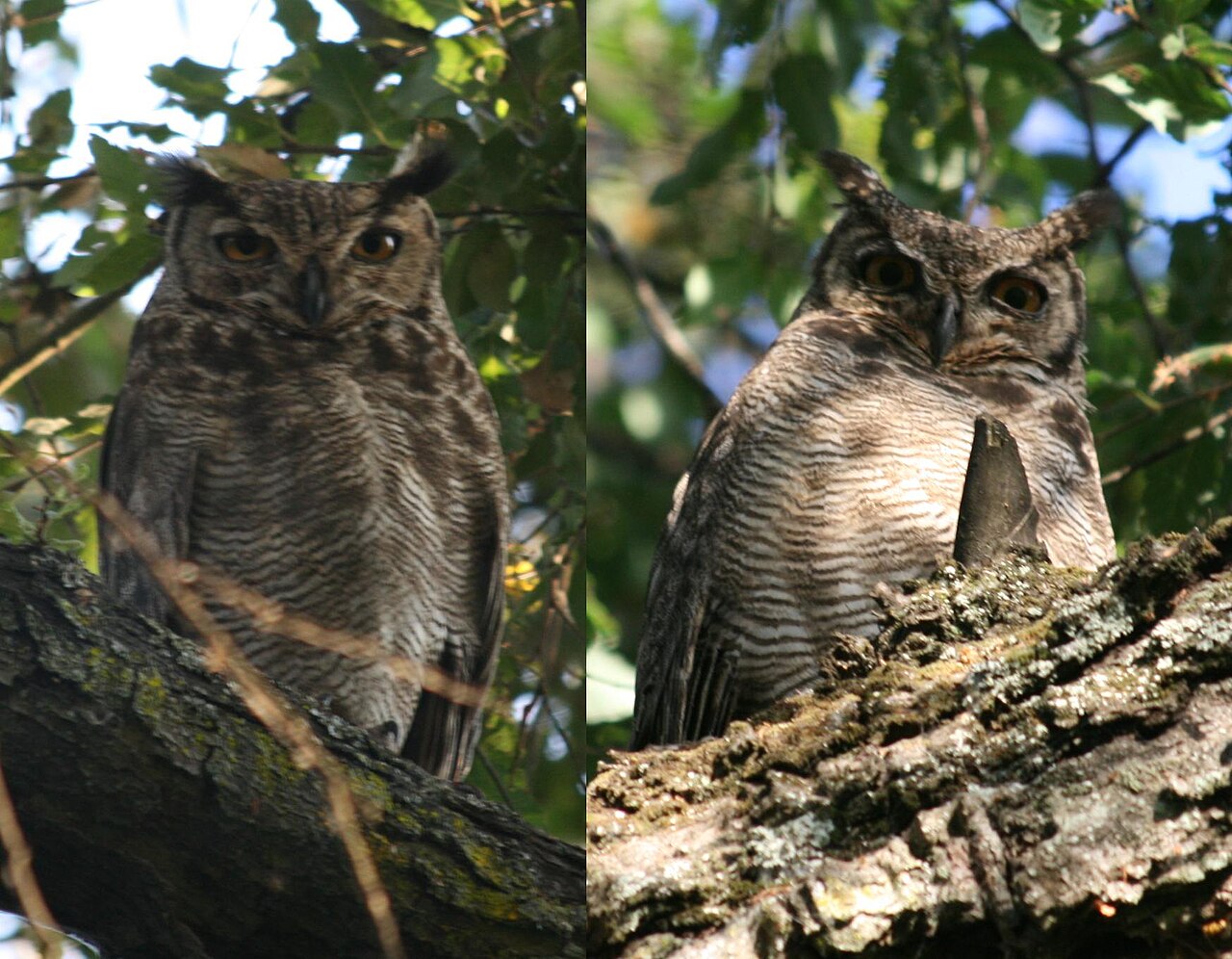
The lesser hoopoe-lark is a species of lark in the family Alaudidae. It is endemic to Somalia where its natural habitat is subtropical or tropical dry lowland grassland.
Region
Horn of Africa
Typical Environment
Occurs in arid and semi-arid lowland grasslands and open desert plains with sparse shrubs. Prefers stony or sandy substrates, gravel flats, and lightly vegetated savanna, often with scattered Acacia or Commiphora. Frequently uses open wadis, salt flats, and wind-blown dune margins for foraging. Habitat is characterized by very low ground cover, where it runs swiftly and relies on camouflage.
Altitude Range
0–1200 m
Climate Zone
Arid
Ease of Keeping
Beginner friendly: 1/5
A little-known desert lark, the lesser hoopoe-lark is confined to arid lowlands of Somalia. It resembles the greater hoopoe-lark but is smaller with a slightly shorter decurved bill. Males perform distinctive song-flights over open plains, flashing contrasting wing patterns. Its cryptic sandy plumage provides excellent camouflage against bare, stony ground.
Temperament
solitary and territorial
Flight Pattern
low, fast flight with short rapid wingbeats and brief glides; occasional song-flights
Social Behavior
Usually encountered singly or in pairs, especially during the breeding season. Nests on the ground in a shallow scrape, often sheltered by a stone or small shrub. Likely monogamous with males performing aerial displays to advertise territory.
Migratory Pattern
Resident
Song Description
A series of clear, fluty whistles and trills delivered from the ground or during display flights. Calls include soft, dry ticks and chirps used for contact and alarm.
Plumage
Sandy-buff upperparts with fine, diffuse streaking; very pale buff to whitish underparts. Wings show contrasting dark and whitish panels that are conspicuous in flight.
Diet
Feeds primarily on insects such as ants, beetles, termites, and small grasshoppers. Will also take other small arthropods it finds by probing and gleaning on bare ground. Seeds and small plant material may be taken opportunistically during dry periods.
Preferred Environment
Forages on open, sparsely vegetated ground, gravel flats, and the edges of wadis. Uses its slightly decurved bill to probe soil and litter, often running and pausing to pick prey.