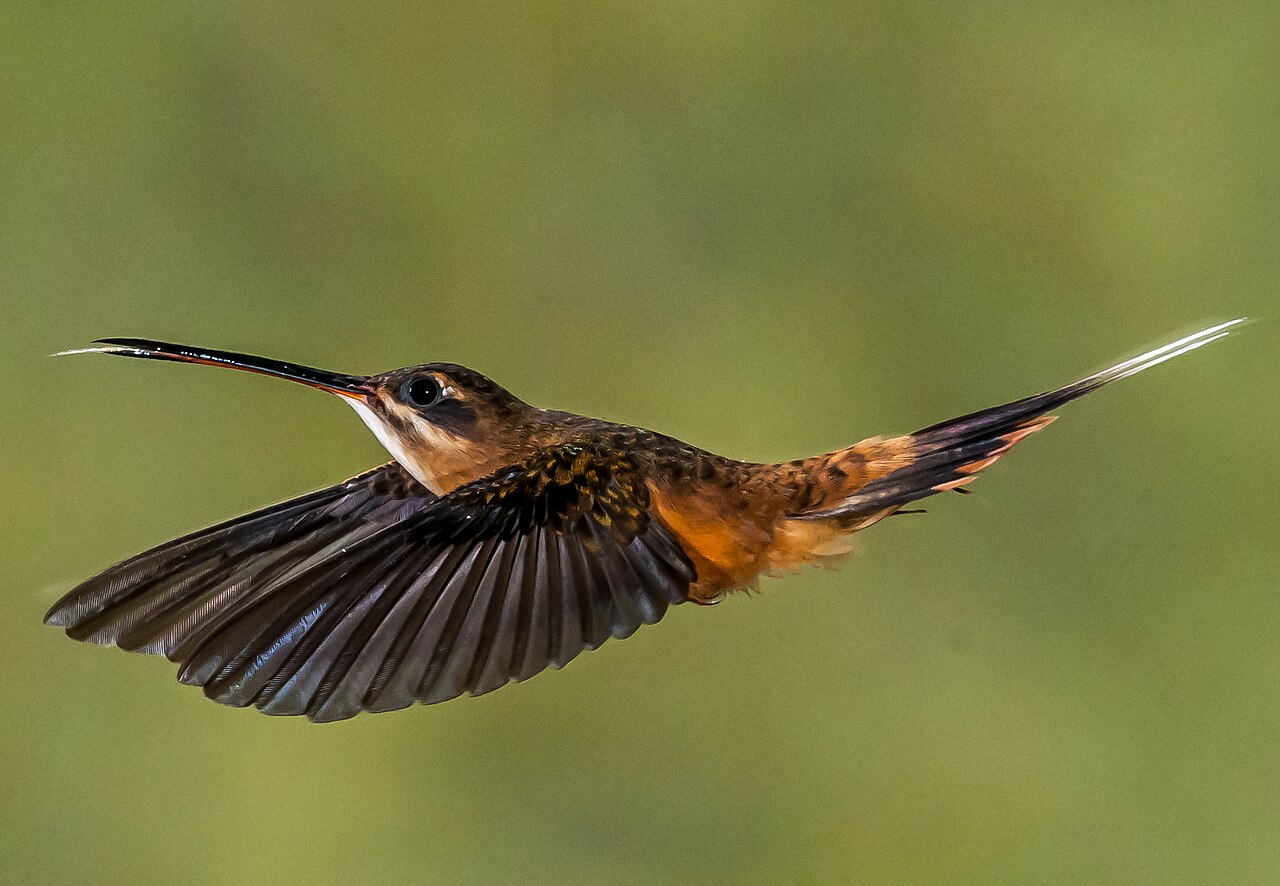
The Knysna woodpecker is a species of bird in the family Picidae. It is endemic to South Africa, where its natural habitats are subtropical or tropical moist lowland forests, moist savanna, and subtropical or tropical moist shrubland. It is threatened by habitat loss. It belongs to a species complex that includes the golden-tailed and Mombasa woodpeckers.
Region
Southern Africa
Typical Environment
Endemic to South Africa’s southern and eastern coastal belt, from the Knysna-Amatole forests through parts of the Eastern Cape into KwaZulu-Natal. It favors moist evergreen and scarp forests, dense thickets, riverine woodland, and forest edges with abundant deadwood. It also uses mature gardens and orchards near forest patches. Populations are patchy where suitable habitat persists and are sensitive to fragmentation.
Altitude Range
Sea level to 1500 m
Climate Zone
Subtropical
Ease of Keeping
Beginner friendly: 1/5
The Knysna woodpecker is a quiet, forest-edge specialist that often forages in dense thickets where it can be hard to spot. It belongs to a species complex with the golden-tailed and Mombasa woodpeckers, and was once treated as conspecific by some authorities. Its drumming is soft and infrequent compared to many woodpeckers, and it relies heavily on mature or semi-mature woodland with deadwood for nesting.


Temperament
secretive and fairly shy
Flight Pattern
undulating with short rapid wingbeats between trees
Social Behavior
Typically seen singly, in pairs, or small family groups; generally territorial. Monogamous, excavating nest cavities in dead or decaying wood. Both sexes participate in nest excavation and chick rearing. Prefers foraging quietly within dense foliage and on trunks and branches.
Migratory Pattern
Resident
Song Description
Vocalizations are soft, including sharp kik or pik notes and short rattling series. Drumming is light and infrequent, often a brief roll rather than a loud tattoo.
Plumage
Olive-green upperparts with fine spotting and barring, and pale buff underparts heavily spotted dark brown to black. The tail shows yellow-olive tones with dark barring. Face and crown are flecked; throat pale with spotting.
Diet
Primarily ants and termites, along with beetles and other wood-boring larvae. It probes bark, deadwood, and branch junctions, and occasionally gleans from leaves and twigs. It forages methodically, tapping and probing rather than heavy chiseling.
Preferred Environment
Feeds in forest edges, thickets, and riverine woodland with ample deadwood. Often uses mid-level trunks and larger branches, but also forages in understory tangles.