

The huia is an extinct species of New Zealand wattlebird, endemic to the North Island of New Zealand. The last confirmed sighting of a huia was in 1907, although there was another credible sighting in 1924.
Region
North Island, New Zealand
Typical Environment
Historically occupied mature lowland and montane native forests, especially podocarp–broadleaf and beech forest with abundant dead wood. It foraged on trunks, branches, and fallen logs, probing decaying timber and under bark for invertebrates. Subfossil and historical records indicate it ranged across much of the North Island where continuous forest persisted. It likely favored structurally complex, old-growth habitats that provided cavities, rot pockets, and rich invertebrate communities.
Altitude Range
Sea level to 1200 m
Climate Zone
Temperate
Ease of Keeping
Beginner friendly: 1/5
The huia was an extinct New Zealand wattlebird famed for its extreme sexual dimorphism in bill shape—males had a short, stout bill while females had a long, slender, decurved bill. It held deep cultural significance to Māori, with tail feathers and skins prized as symbols of status. Over-collection, habitat loss, and introduced predators drove it to extinction; the last confirmed sighting was in 1907, with a credible report in 1924. Its name lives on in place names, stories, and conservation lessons in Aotearoa New Zealand.


Taxidermy exhibit of a pair at Canterbury Museum

Painting by J. G. Keulemans of a female, a male, and a white female

An 1830s painting by John Gould illustrating the remarkable sexual dimorphism of the huia's beak. The female's beak (top) was finer, longer, and more curved than the male's (below)

Skeleton showing long legs suitable for hopping
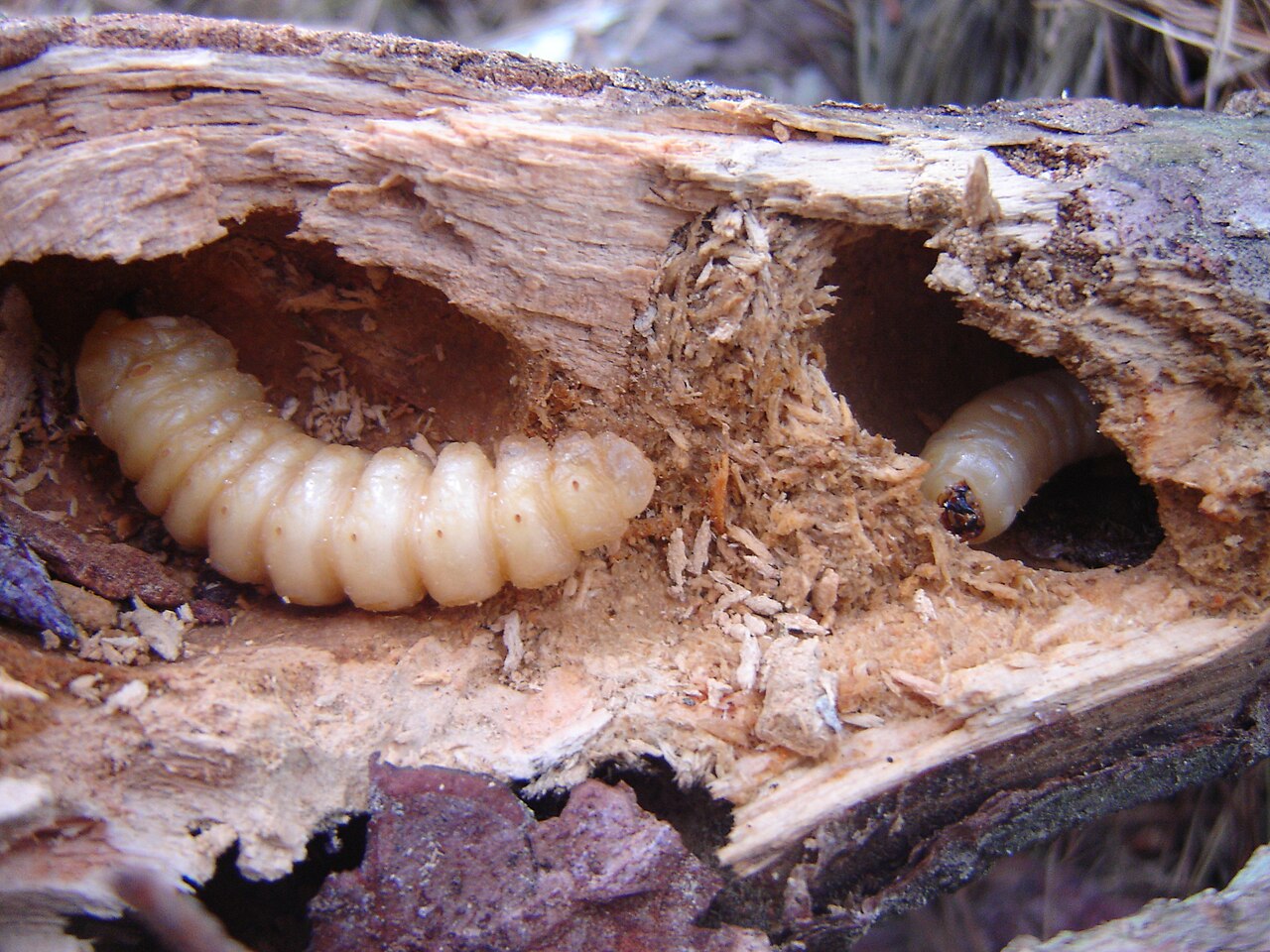
A favourite food of the huia: the larvae of the huhu beetle (Prionoplus reticularis)

The skull had hollows, digastric fossae, accommodating the strong muscles that open the bill

Tukukino, a Māori chief from the Hauraki district, wearing a pōhoi ornament made from a huia skin in this 1878 Lindauer portrait.

"Ghost of the Huia", sculpture in Palmerston North by Paul Dibble

A Māori man from the Hauraki district wearing huia tail feathers in his hair (photo before 1886).

Mōkau Falls in Te Urewera is close to the location of the last credible huia sightings.
Temperament
generally quiet, inquisitive, and tame around humans
Flight Pattern
short rapid wingbeats with brief glides; weak flier
Social Behavior
Usually observed in pairs or small family groups, maintaining territories within forested home ranges. Pairs formed strong bonds, often foraging cooperatively, with the different bill shapes allowing niche partitioning. Nesting likely occurred in tree cavities, with both sexes tending the nest.
Migratory Pattern
Resident
Song Description
Song consisted of clear, fluting whistles and mellow notes, often exchanged antiphonally between pair members. Calls carried well in forest and were described as melodious yet subdued.
Plumage
Glossy black plumage with a metallic greenish sheen and distinct white tips to the tail feathers.
Diet
Primarily fed on invertebrates, especially wood-boring larvae such as huhu grubs, beetles, caterpillars, and wētā extracted from decaying wood. The female’s long bill probed deep into crevices, while the male’s stout bill prised bark and split rotten wood, a classic example of complementary foraging. Seasonal fruits and berries from native trees were also taken opportunistically.
Preferred Environment
Foraged on trunks, branches, and fallen logs within dense native forest, often in areas with abundant rotting timber. Also searched leaf litter and epiphyte-laden branches where invertebrates were concentrated.


