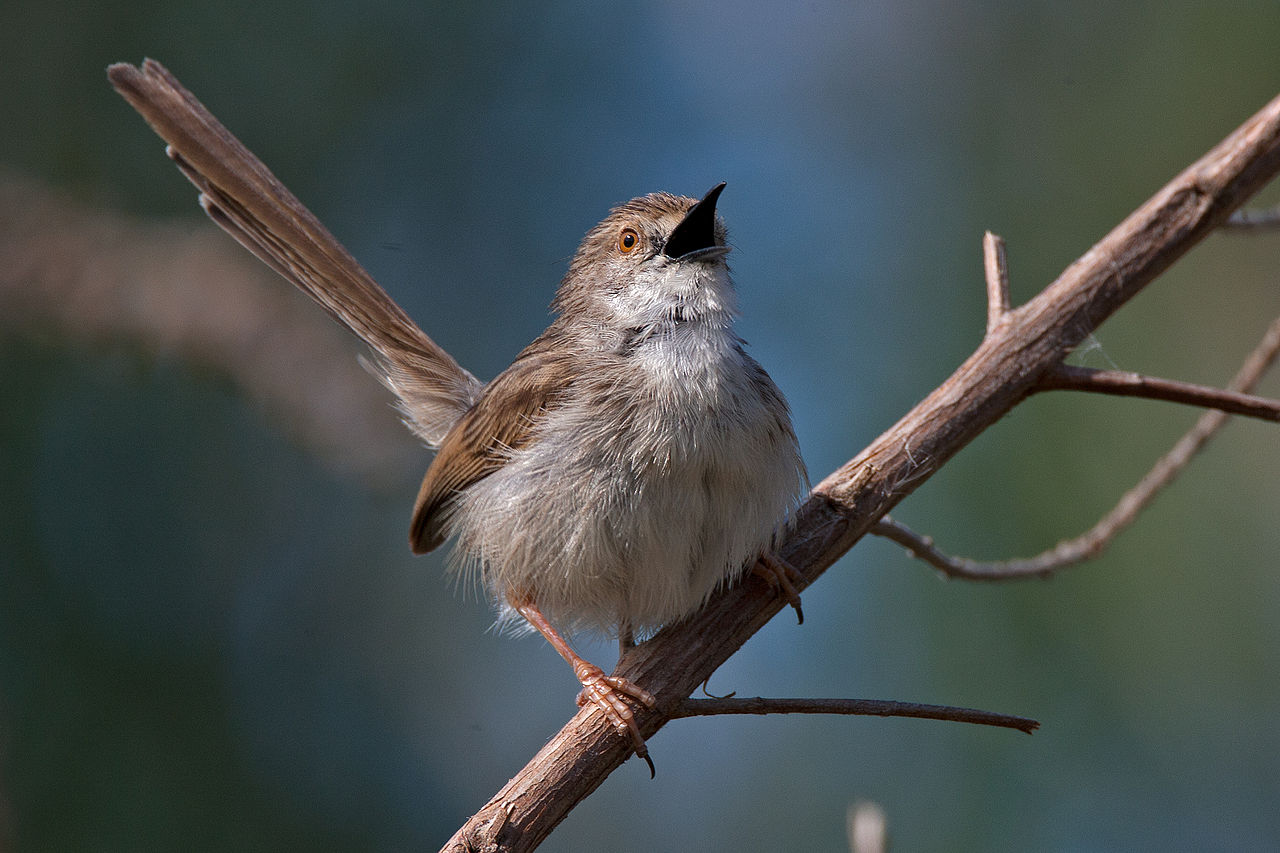
The graceful honeyeater is a species of bird in the family Meliphagidae. It is found in the Aru Islands, southern New Guinea, and Cape York Peninsula. Its natural habitats are subtropical or tropical moist lowland forest and subtropical or tropical mangrove forest.
Region
Australasia (southern New Guinea and northern Australia)
Typical Environment
Occurs in the Aru Islands, southern New Guinea lowlands, and the Cape York Peninsula. Prefers subtropical and tropical moist lowland forests, forest edges, monsoon forests, and mangrove forests. Frequently uses riparian corridors and paperbark swamps and visits open woodlands when trees are flowering. Often forages in the mid to upper canopy but will come lower along edges and in mangroves.
Altitude Range
Sea level to 600 m
Climate Zone
Tropical
Ease of Keeping
Beginner friendly: 1/5
A small, active honeyeater, the graceful honeyeater frequents flowering trees and mangroves, often giving thin, tinkling calls as it forages. It plays an important role as a pollinator and also helps control insects. In Australia it is most often encountered on Cape York, while in New Guinea it inhabits moist lowland forests and mangroves. It can be inconspicuous despite being locally common, blending into foliage with its olive tones.
Temperament
active and somewhat shy
Flight Pattern
short rapid wingbeats
Social Behavior
Usually seen singly, in pairs, or small loose groups, and often joins mixed-species foraging flocks. Builds a small, cup-shaped nest suspended or well hidden in foliage. Breeding corresponds with local wet-season flowering peaks in northern Australia and with resource availability in New Guinea.
Migratory Pattern
Resident
Song Description
Gives thin, metallic chips and soft, tinkling notes interspersed with brief warbles. Calls are quick and high-pitched, often delivered while moving through canopy foliage.
Plumage
Mostly olive-green above with greyer-olive underparts and a slightly paler throat. Shows a small yellowish ear-spot and a pale gape line typical of Microptilotis honeyeaters. Feathers are smooth and lack strong streaking, giving a clean, soft-toned appearance.
Diet
Feeds primarily on nectar from flowering trees and shrubs such as eucalypts, melaleucas, and mangroves, transferring pollen as it moves. Also takes small insects and spiders gleaned from leaves and bark or snatched in short sallies. Will supplement with soft fruits and honeydew when available.
Preferred Environment
Forages in the mid to upper canopy along forest edges, in monsoon forest patches, and in mangrove stands. Often concentrates where trees are in heavy flower and along riparian zones.