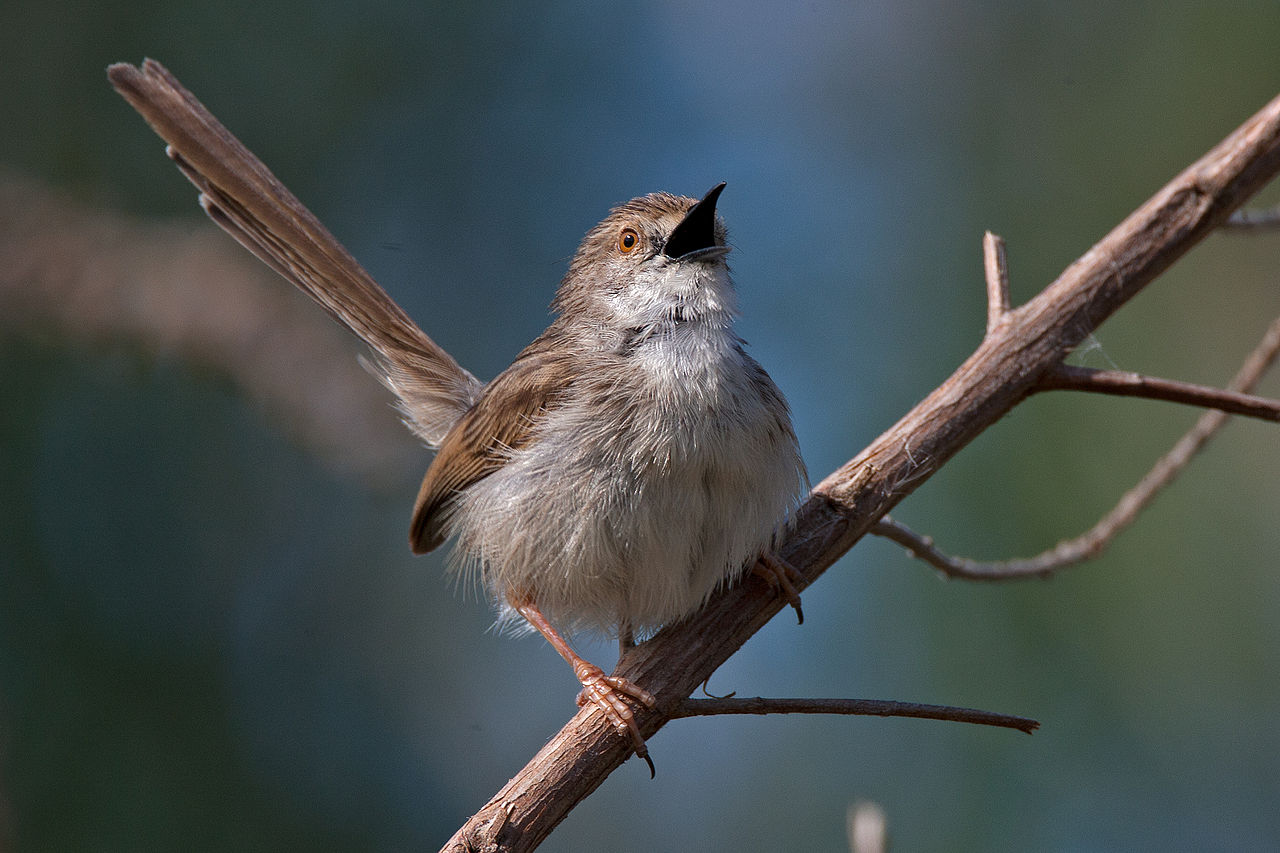
Grace's warbler is a small New World warbler that specializes in pine woods.
Region
Southwestern United States and northern Central America
Typical Environment
Breeds in montane pine and pine–oak forests from Arizona and New Mexico south through much of Mexico and locally into northern Central America. Within this range it favors open to moderately dense pine stands, ridges, and canyon slopes. In winter it remains in similar habitats at lower to mid elevations, often joining mixed-species flocks. It is most often encountered high in the canopy where mature pines are present.
Altitude Range
1000–3000 m
Climate Zone
Highland
Ease of Keeping
Beginner friendly: 1/5
Grace's warbler is a small New World warbler that specializes in pine canopies, often foraging high among needle clusters. It frequently hovers to glean insects from pine needles and twigs, making it more aerial than many warblers. The species was named in honor of Grace, the daughter of a 19th‑century naturalist, and its high, thin song can be surprisingly hard to locate. Nests are typically placed high in pines, making them difficult to find.


In El Salto, Durango
Temperament
active and agile
Flight Pattern
short rapid wingbeats with frequent hovering
Social Behavior
During the breeding season it occurs as territorial pairs, building a cup nest high in pines and likely monogamous for the season. Outside breeding, it often joins mixed-species foraging flocks in pine–oak woodlands. Parental care is shared, with both adults provisioning nestlings.
Migratory Pattern
Partial migrant
Song Description
A high, thin, accelerating series of trills and buzzes that can be ventriloquial and hard to pinpoint in the canopy. Call notes are sharp, high tsip or seep sounds used during foraging and contact.
Plumage
Gray upperparts with clean white underparts and a bright yellow throat and upper breast; faint dark streaking along the flanks. Two bold white wing bars and white tail edges are typical. The face shows a yellow wash with a contrasting dark eyeline.
Diet
Primarily small insects and other arthropods, including caterpillars, beetles, and spiders. It glean-hunts from pine needles and twigs and frequently hovers to pick prey from foliage tips. Occasional short sallies capture flying insects. It rarely takes plant material, focusing strongly on animal prey.
Preferred Environment
Feeds high in the canopy of pines and pine–oak forests, along ridgelines and in open stands where needle clusters are accessible. It also forages along forest edges and in mixed-species flocks that move through mature trees.