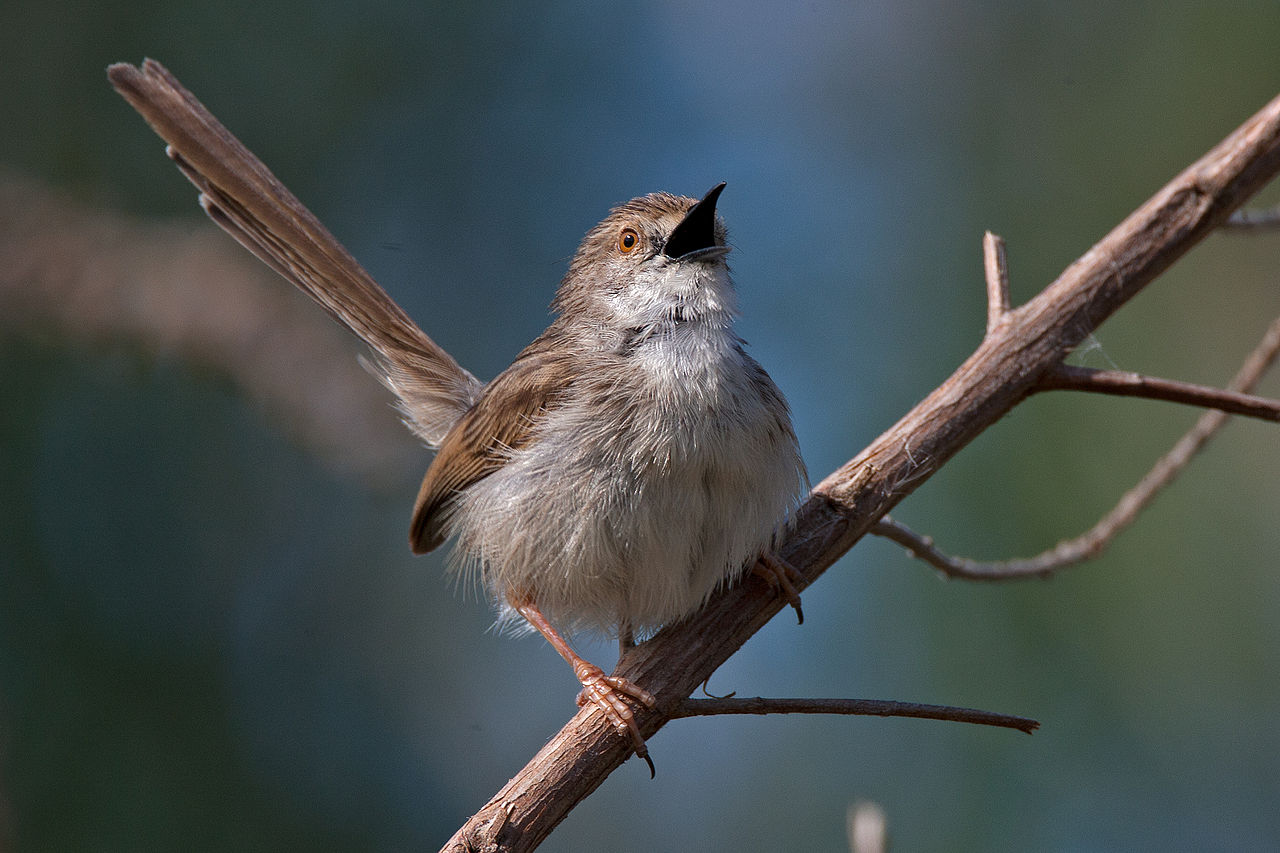
Gould's toucanet is a near-passerine bird in the toucan family Ramphastidae. It is found in Bolivia and Brazil.
Region
Amazon Basin
Typical Environment
Occurs in humid lowland rainforest south of the Amazon River, primarily in the Brazilian Amazon and extending into northern Bolivia. It favors terra firme forest but also uses várzea edges, secondary growth, and fruiting trees along rivers and forest margins. Usually forages from the midstory to the subcanopy, occasionally descending lower at fruiting shrubs. It is generally local and patchy where continuous forest remains, avoiding heavily deforested landscapes.
Altitude Range
Sea level to 1200 m
Climate Zone
Tropical
Ease of Keeping
Beginner friendly: 2/5
Gould's toucanet is a small toucan of the family Ramphastidae, native to lowland Amazonian forests of Brazil and northern Bolivia. Like other Selenidera toucanets, it shows strong sexual dimorphism: males have darker heads with a bright yellow ear patch, while females are more brownish. It is an important seed disperser, swallowing fruits whole and passing viable seeds away from the parent tree. The species nests in tree cavities and both parents share incubation and chick-rearing.


Temperament
shy and inconspicuous
Flight Pattern
short rapid wingbeats between trees
Social Behavior
Usually found singly, in pairs, or small family groups, moving quietly through the midstory. Pairs maintain territories and use tree cavities for nesting, often reusing suitable holes. Both sexes incubate and feed the chicks, delivering small fruits and occasional animal prey.
Migratory Pattern
Resident
Song Description
Vocalizations are low, frog-like croaks and soft grunts given in series from concealed perches. It also produces rattling or nasal notes during pair contact and when moving between fruiting trees.
Plumage
Glossy green upperparts with contrasting darker head and breast in males; females are more olive-brown on the head and neck. Underparts greenish with chestnut to reddish undertail coverts. The bill is stout and slightly curved, pale horn with contrasting dark markings. Bare facial skin is subtle; sexes differ clearly in head coloration.
Diet
Primarily frugivorous, taking berries, drupes, figs, and palm fruits, which it swallows whole and later regurgitates or passes the seeds. It supplements its diet with large insects, spiders, and occasionally small vertebrates or eggs. Seasonal fruit availability influences movement within home ranges, with birds revisiting productive trees.
Preferred Environment
Forages at fruiting trees in the forest midstory and subcanopy, often along edges, river corridors, and light gaps. Will join mixed-species frugivore aggregations at heavily laden trees but remains fairly discreet.