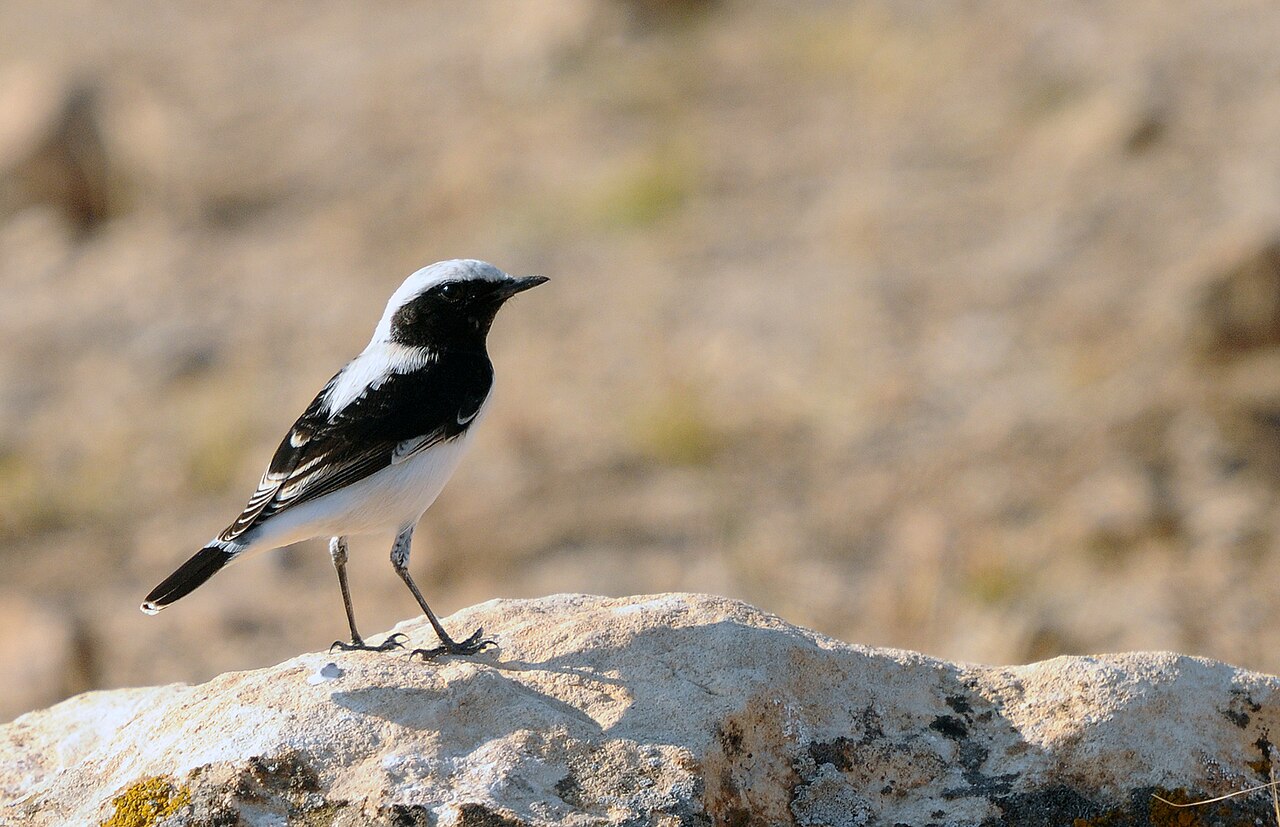
Finsch's francolin is a species of bird in the family Phasianidae. It is found in Angola, Republic of the Congo, Democratic Republic of the Congo, parts of Cameroon, and Gabon.
Region
Central Africa
Typical Environment
Occurs from Angola through Gabon, the Republic of the Congo, the Democratic Republic of the Congo, and into parts of southern Cameroon. It favors forest edges, secondary growth, clearings, and the forest–savanna transition where grassy understory is present. The species also uses gallery forests, overgrown plantations, and fallow fields near woodland. It is typically patchy and local, tied to dense ground cover for concealment.
Altitude Range
0–1800 m
Climate Zone
Tropical
Ease of Keeping
Beginner friendly: 2/5
Finsch's francolin is a shy, ground-dwelling gamebird of Central Africa’s forest–savanna mosaic. It often remains hidden in dense cover and flushes explosively when approached, flying only a short distance before dropping back into vegetation. Like other francolins, it forages on the ground for seeds and invertebrates and typically calls most at dawn and dusk.
Temperament
wary and secretive
Flight Pattern
short rapid wingbeats
Social Behavior
Usually seen singly, in pairs, or small coveys, keeping close to dense cover. Nests are shallow ground scrapes hidden in grass or under shrubs. Breeding is thought to align with regional rains, with both adults remaining attentive near the nest.
Migratory Pattern
Resident
Song Description
Gives a loud, rasping series of crowing or cackling phrases, often delivered from concealed perches or the ground at first light and dusk. Calls carry well through forest edges and are useful for detection in dense habitat.
Plumage
Overall mottled and barred brown with buff scalloping, providing excellent camouflage in leaf litter and grasses. Underparts show fine dark chevrons on a buff to grey-brown base; upperparts are more densely patterned. The face is subtly marked with a paler throat and faint supercilium.
Diet
Feeds on a mix of grass and herb seeds, shoots, and buds, supplemented by insects such as termites, ants, and beetles. Will also take small fruits and fallen berries when available. Foraging is primarily by walking and pecking, scratching through litter to uncover food.
Preferred Environment
Forages on the ground along forest margins, paths, old clearings, and fallow fields adjacent to woodland. Often uses dense grass or shrubs as cover while feeding and quickly retreats when disturbed.