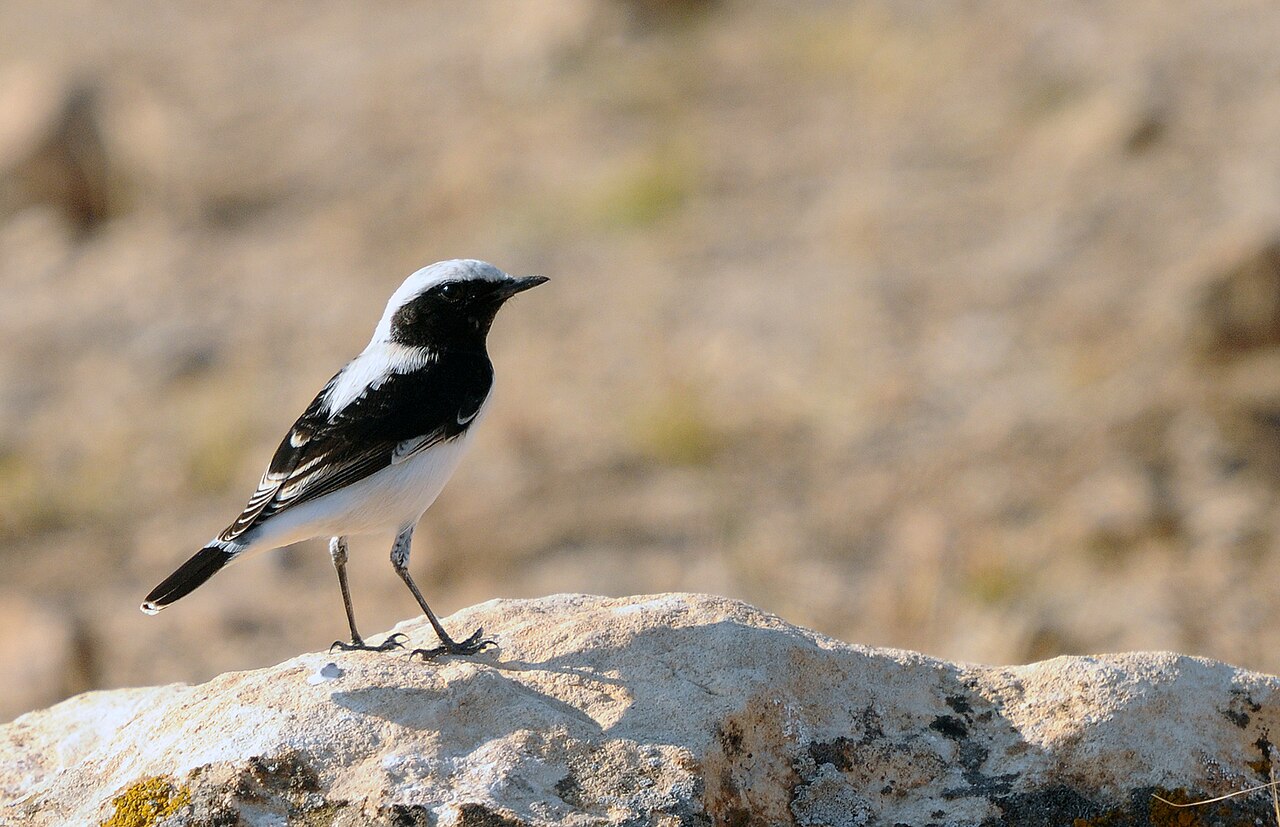
Finsch's euphonia is a species of bird in the family Fringillidae. It is found in northern Brazil, French Guiana, Guyana, Suriname and eastern Venezuela. Its natural habitats are subtropical or tropical moist lowland forest and heavily degraded former forest.
Region
Guiana Shield
Typical Environment
Occurs in northern Brazil, French Guiana, Guyana, Suriname, and eastern Venezuela. It inhabits subtropical and tropical moist lowland forests, especially terra firme and riverine edges. The species is frequently seen at forest margins, clearings, and in secondary growth where fruiting shrubs and trees are common. It also persists in heavily degraded former forest and sometimes in gardens or plantations near forest.
Altitude Range
Sea level to 1200 m
Climate Zone
Tropical
Ease of Keeping
Beginner friendly: 1/5
Finsch's euphonia is a small, canopy-loving finch-like tanager found across the Guianas and adjacent northern Amazonia. It readily uses forest edges, second growth, and even degraded habitats where fruiting trees persist. Males give high, musical whistles from exposed perches. It is sometimes confused with other yellow-bellied euphonias, but the combination of bright yellow underparts and dark upperparts helps separate it.


Temperament
social and active
Flight Pattern
short rapid wingbeats
Social Behavior
Often in pairs or small family groups and may join mixed-species flocks at fruiting trees. Males sing from high perches while foraging. The nest is a compact, mossy ball or cup concealed in foliage; both adults participate in feeding the young.
Migratory Pattern
Resident
Song Description
Song consists of clear, high-pitched whistles and short, musical phrases delivered from the canopy. Calls are thin, piping notes and quick chip sequences used to keep contact while foraging.
Plumage
Male with glossy dark blue-black upperparts and bright yellow underparts; a small yellow to golden forecrown patch contrasts with the dark head. Female is olive-green above with yellow-olive underparts and a paler throat, lacking the male’s sharp contrast. Both sexes show smooth, neat plumage suited to canopy life.
Diet
Primarily consumes small fruits and berries, especially from mistletoes and other arillate plants. It swallows fruits whole and may help disperse seeds across forest edges and secondary growth. Insects and small arthropods are occasionally taken, particularly during breeding for added protein.
Preferred Environment
Feeds high in the canopy and at mid-levels, concentrating at fruiting trees and forest edges. Also forages in second growth, riparian thickets, and disturbed habitats where fruit is abundant.