

The Fiji parrotfinch is a species of estrildid finch endemic to Fiji that was formerly considered to be a subspecies of the red-headed parrotfinch. This parrotfinch is a small, mainly green bird with a red head and tail and a stubby dark grey bill. It is found in both forested and open habitats, and has adapted well to man-made environments such as grasslands, pasture and gardens. Pairs have a courtship display in which they fly above the trees in an undulating flight, calling constantly. Breeding birds build a domed grass nest with a side entrance, and lay a clutch normally of four white eggs. Newly hatched chicks are naked and pink, with blue balls at the upper and lower corners of the gape, and black markings inside the mouth; older fledglings resemble the adults, but lack the red head colouring. The Fiji parrotfinch eats seeds, especially of grasses, and also readily feeds on insects and nectar. It forms small flocks of up to six birds after the breeding season.
Region
Fiji Islands (Southwest Pacific)
Typical Environment
Occurs across major and some smaller islands, using both forested and open landscapes. It favors forest edges, secondary growth, plantations, and grassy clearings, and is common in villages and gardens. In open areas it forages on the ground and low vegetation, shifting to shrubs and trees when taking nectar or insects. It tolerates disturbance and can persist in patchy habitats provided grass seed and cover are available.
Altitude Range
Sea level to 1100 m
Climate Zone
Tropical
Ease of Keeping
Beginner friendly: 2/5
Endemic to Fiji, this small parrotfinch was formerly treated as a subspecies of the red-headed parrotfinch. It adapts readily to human-modified habitats, frequenting gardens, pastures, and village edges. Nests are domed balls of grass with a side entrance, and typical clutches contain about four white eggs. After breeding, it often forms small flocks of up to six birds.


juvenile


The use of carpet grass for lawns has helped the Fiji parrotfinch to use human-modified habitats like gardens.
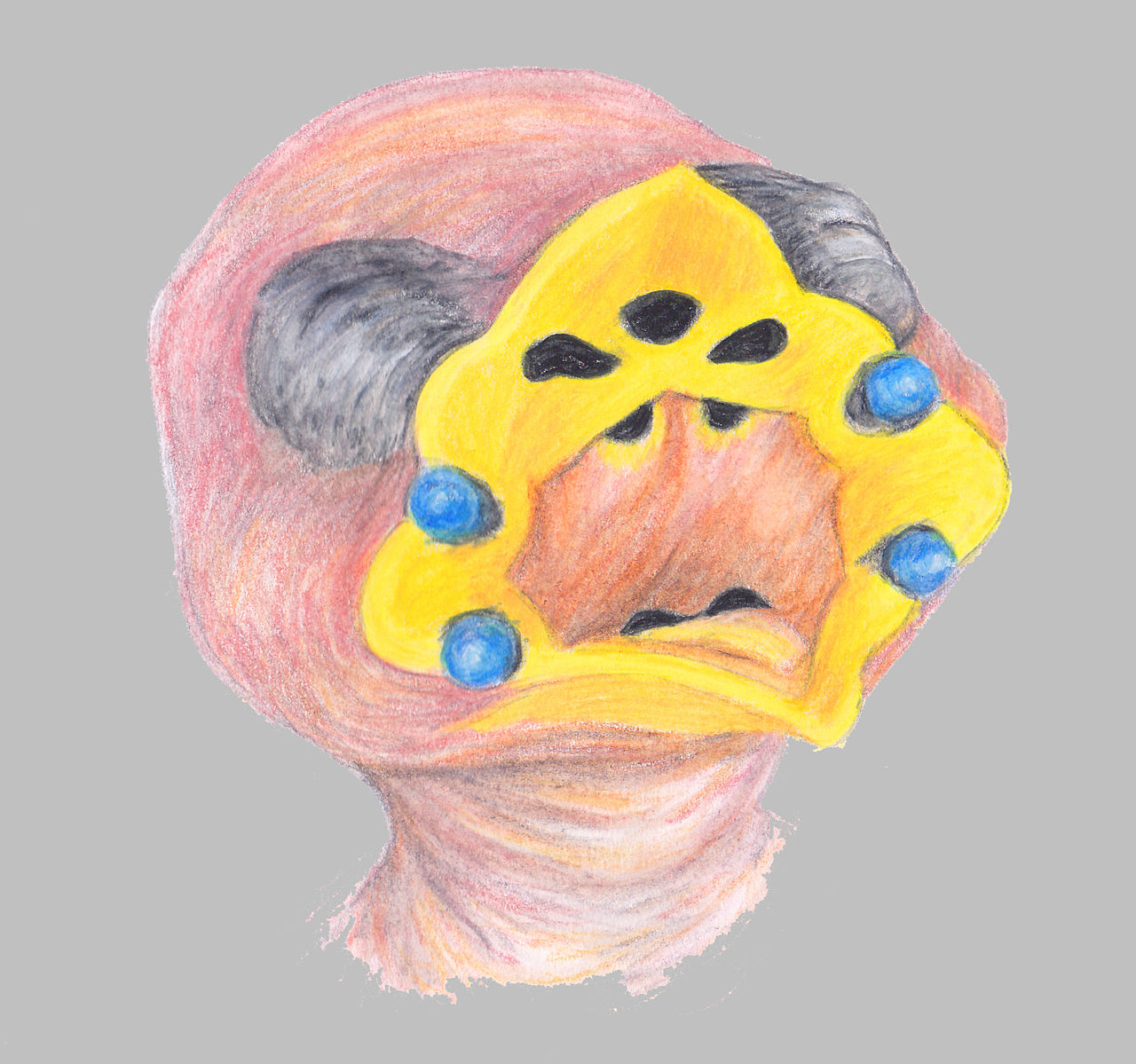
Parrotfinch chicks have blue papillae at the corners of the gape, and distinctive mouth markings.

The endemic Fiji goshawk is a specialist predator of small birds.
Temperament
social and active
Flight Pattern
short rapid wingbeats with undulating flight
Social Behavior
Usually seen in pairs during the breeding season and in small groups after breeding. Courtship often includes an undulating display flight accompanied by calls. The domed grass nest with a side entrance is placed in dense vegetation, and both parents tend the young.
Migratory Pattern
Resident
Song Description
Soft, thin trills and high-pitched seee notes used for contact within pairs and small groups. The song is a light, tinkling series of notes interspersed with buzzy elements, delivered from cover or during short display flights.
Plumage
Mainly bright green with a vivid red head and red rump/tail; underparts green, wings green; bill stubby and dark grey.
Diet
Primarily takes grass seeds, including those of small Panicum and Setaria-type grasses. It also gleans small insects and other arthropods, especially when feeding young. Nectar is occasionally taken from flowering shrubs and trees.
Preferred Environment
Feeds on the ground in grassy patches, along paths, and in pastures, as well as in low shrubs and garden borders. At forest edges and in secondary growth, it moves through low foliage and seed heads.


