

The ferruginous hawk is a large bird of prey and belongs to the broad-winged buteo hawks. An old colloquial name is ferrugineous rough-leg, due to its similarity to the closely related rough-legged hawk.
Region
Western and Central North America
Typical Environment
Breeds across the Great Plains and Intermountain West from southern Canada through the western United States, with wintering populations extending into the southwestern U.S. and northern Mexico. It favors vast open habitats such as native grasslands, sagebrush steppe, desert edges, and agricultural landscapes. Nests are placed on cliffs, buttes, isolated trees, rock outcrops, or increasingly on utility structures; in treeless areas it may nest on the ground. It avoids dense forests and prefers wide horizons with scattered perches for hunting. Seasonal movements vary, with northern breeders migrating south while some interior populations remain year-round.
Altitude Range
0–2500 m
Climate Zone
Temperate
Ease of Keeping
Beginner friendly: 1/5
The ferruginous hawk is the largest North American buteo and has feathered legs, which gave rise to the old name 'ferrugineous rough-leg.' It occurs in both light and dark color morphs, with the light morph showing rich rufous tones that inspired its name. It often builds very large stick nests and will use cliffs, isolated trees, or human-made structures. As a top predator of open country, it helps control populations of prairie dogs, ground squirrels, and jackrabbits.


Dark-morph bird on nest

Light-morph in captivity

In flight as seen from below

Ferruginous Hawk showing wings, tail, and dark legs, near Las Vegas, New Mexico
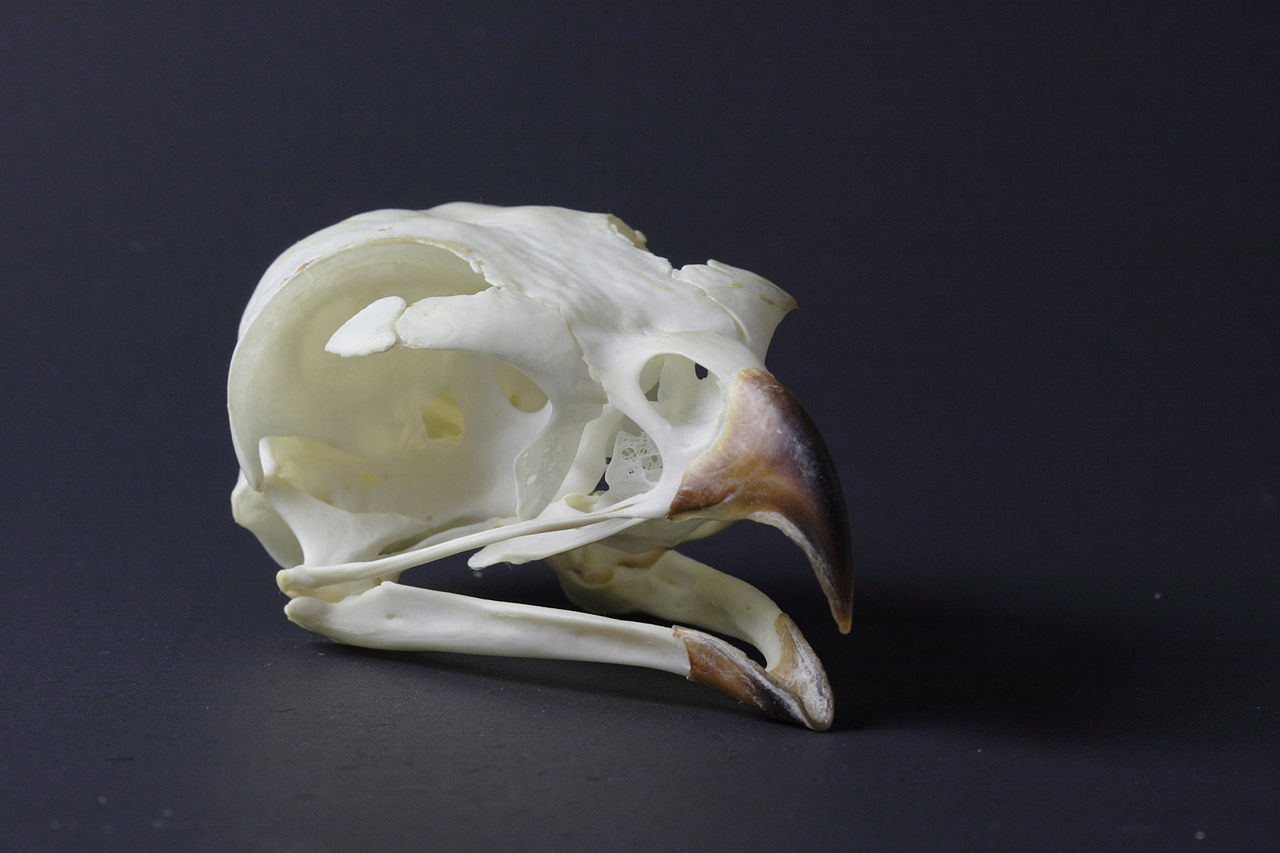
Skull of a ferruginous hawk

Ferruginous hawk at Augustusburg Castle in Saxony

Prairie dogs, one of the favorite foods of the ferruginous hawk

Ferruginous hawk searching for prairie dogs at Badlands National Park in South Dakota

Ferruginous hawk nesting platform

Chicks on nest

Juvenile

Banding chicks

Ferruginous hawk at Lacreek National Wildlife Refuge
Temperament
solitary and territorial
Flight Pattern
soaring glider
Social Behavior
Typically monogamous, pairs establish large territories over open country. Nests are bulky stick platforms reused and added to in subsequent years, with clutches usually 2–5 eggs. Adults vigorously defend nest sites and often select elevated vantage points for both nesting and hunting.
Migratory Pattern
Partial migrant
Song Description
Generally quiet, but gives high, harsh screaming calls, often rendered as a descending kee-yee or kreeee. Also uses sharp chatters and squeals near the nest or when alarmed.
Plumage
Light morph birds have a pale head and underparts with rich rufous back and shoulders and rufous 'leggings' forming a V across the belly; dark morphs are mostly dark chocolate-brown with rufous highlights. The tail is pale to whitish with a gray wash and fine barring. Legs are fully feathered down to the toes, giving a 'rough-legged' appearance.
Diet
Primarily preys on medium-sized mammals such as jackrabbits, cottontails, prairie dogs, and ground squirrels. It also takes snakes, lizards, and birds when available, and will scavenge occasionally. Hunting methods include soaring and scanning from perches, quartering low over fields, and swift stoops to strike prey on the ground.
Preferred Environment
Open grasslands, sagebrush flats, desert margins, and agricultural fields with scattered perches such as fence posts or utility poles. It avoids closed forests and favors broad vistas that allow long-distance detection of prey.


