

The European nightjar, common goatsucker, Eurasian nightjar or just nightjar is a crepuscular and nocturnal bird in the nightjar family that breeds across most of Europe and the Palearctic to Mongolia and Northwestern China. The Latin generic name refers to the old myth that the nocturnal nightjar suckled from goats, causing them to cease to give milk. The six subspecies differ clinally, the birds becoming smaller and paler towards the east of the range. All populations are migratory, wintering in sub-Saharan Africa. Their densely patterned grey and brown plumage makes individuals difficult to see in the daytime when they rest on the ground or perch motionless along a branch, although the male shows white patches in the wings and tail as he flies at night.
Region
Europe and the Palearctic
Typical Environment
Breeds widely across much of Europe and into western and central Asia, occupying open habitats such as heathlands, young conifer plantations, open oak and pine woods, dunes, and clear-cuts with sparse ground cover. Prefers a mosaic of bare ground and low vegetation near woodland edges for nesting and foraging. Winters in sub-Saharan Africa, chiefly in savanna and open woodland. Nests directly on leaf litter or bare earth without a constructed nest, relying on camouflage. Often roosts along branches aligned with the limb to remain inconspicuous.
Altitude Range
Sea level to 2000 m
Climate Zone
Temperate
Ease of Keeping
Beginner friendly: 1/5
A crepuscular and nocturnal insect-eater, the European nightjar is famed for its continuous, mechanical churring song delivered at dusk. Its cryptic grey-brown mottled plumage makes it nearly invisible by day as it rests lengthwise on branches or on the ground. Males show distinctive white patches on the wings and tail during display flights, often accompanied by sharp wing-claps. All populations migrate to sub-Saharan Africa for the non-breeding season.


![Young bird hissing with mouth open in threat display[13]](https://upload.wikimedia.org/wikipedia/commons/thumb/0/0e/Caprimulgus_europaeus_-_Mior_Rino_001.jpg/960px-Caprimulgus_europaeus_-_Mior_Rino_001.jpg)
Young bird hissing with mouth open in threat display[13]

Heathland is a favoured habitat.

Roosting lengthwise on a branch to enhance camouflage

A clutch of two eggs on the ground in Turkey
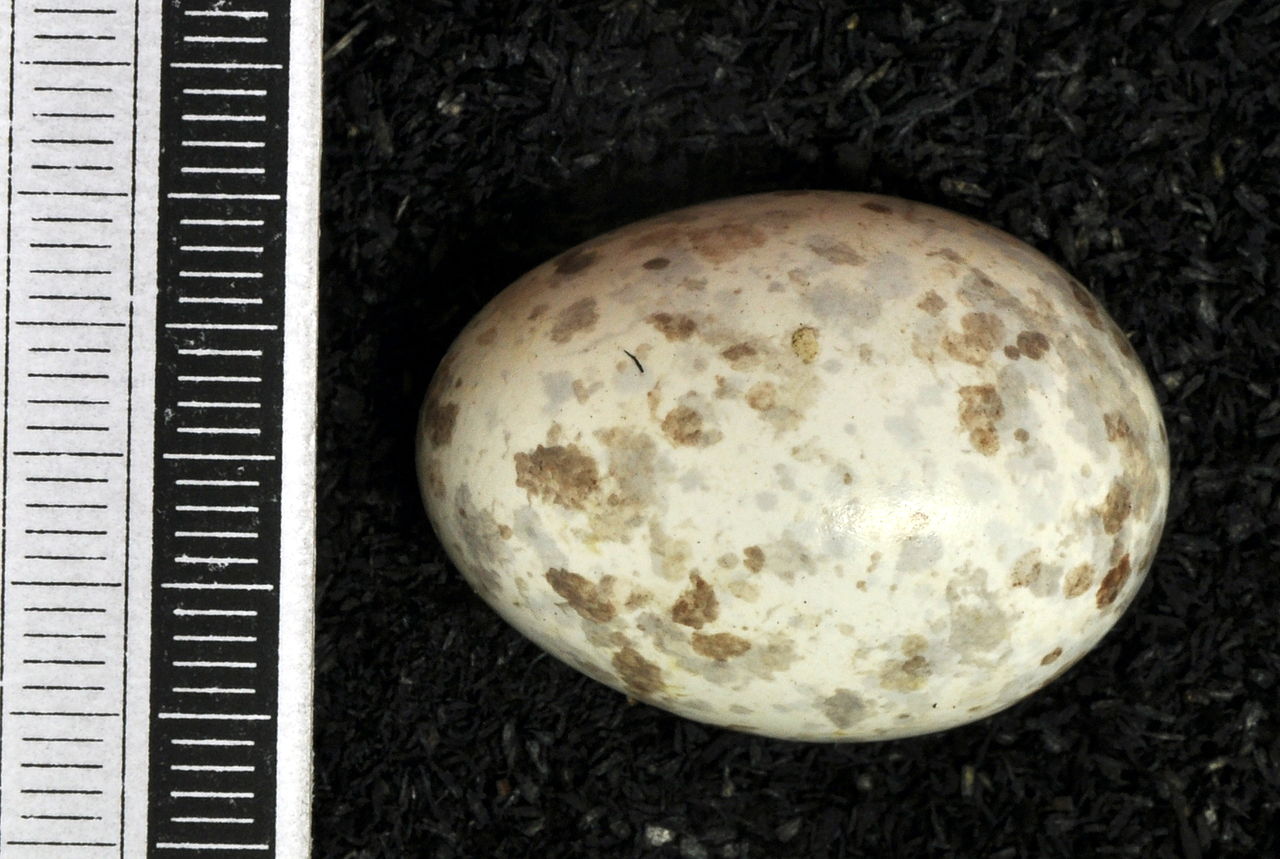
Egg, Collection Museum Wiesbaden

Adults with chicks from Saudi Arabia

Perching in a tree at night in France. The eyeshine is due to reflected light.

Bristles around the mouth may help in feeding

"Nightjar, goatsucker, or fern-owl", alternative old names, by J.G. Keulemans
Temperament
secretive and crepuscular
Flight Pattern
agile, buoyant and moth-like with short glides and rapid bursts
Social Behavior
Generally solitary or in loosely spaced territories during breeding. Nests on the ground and typically lays two eggs; camouflage is the main defense. The male performs display flights with wing-clapping, while the female does most incubation; both adults tend chicks. Outside the breeding season, may roost singly or in small loose aggregations.
Migratory Pattern
Seasonal migrant
Song Description
A long, vibrating churring trill delivered at dusk and into the night, varying subtly in pitch as the bird turns its head. Also gives soft ‘kewick’ calls and sharp wing-claps during display flights.
Plumage
Densely mottled and barred grey, brown, buff, and black with intricate vermiculation, providing exceptional camouflage.
Diet
Feeds almost exclusively on flying nocturnal insects such as moths, beetles, craneflies, and other dipterans. Hunts on the wing using a wide gape fringed with sensory bristles to detect and funnel prey. Often forages along woodland rides, clearings, and edges where insects concentrate. May drink on the wing and occasionally takes prey from the ground or low vegetation.
Preferred Environment
Forages over open habitats near cover: heath, scrub, young plantations, clear-felled forest, and dune systems. Frequently hunts along edges, tracks, and glades where aerial insects are abundant.


