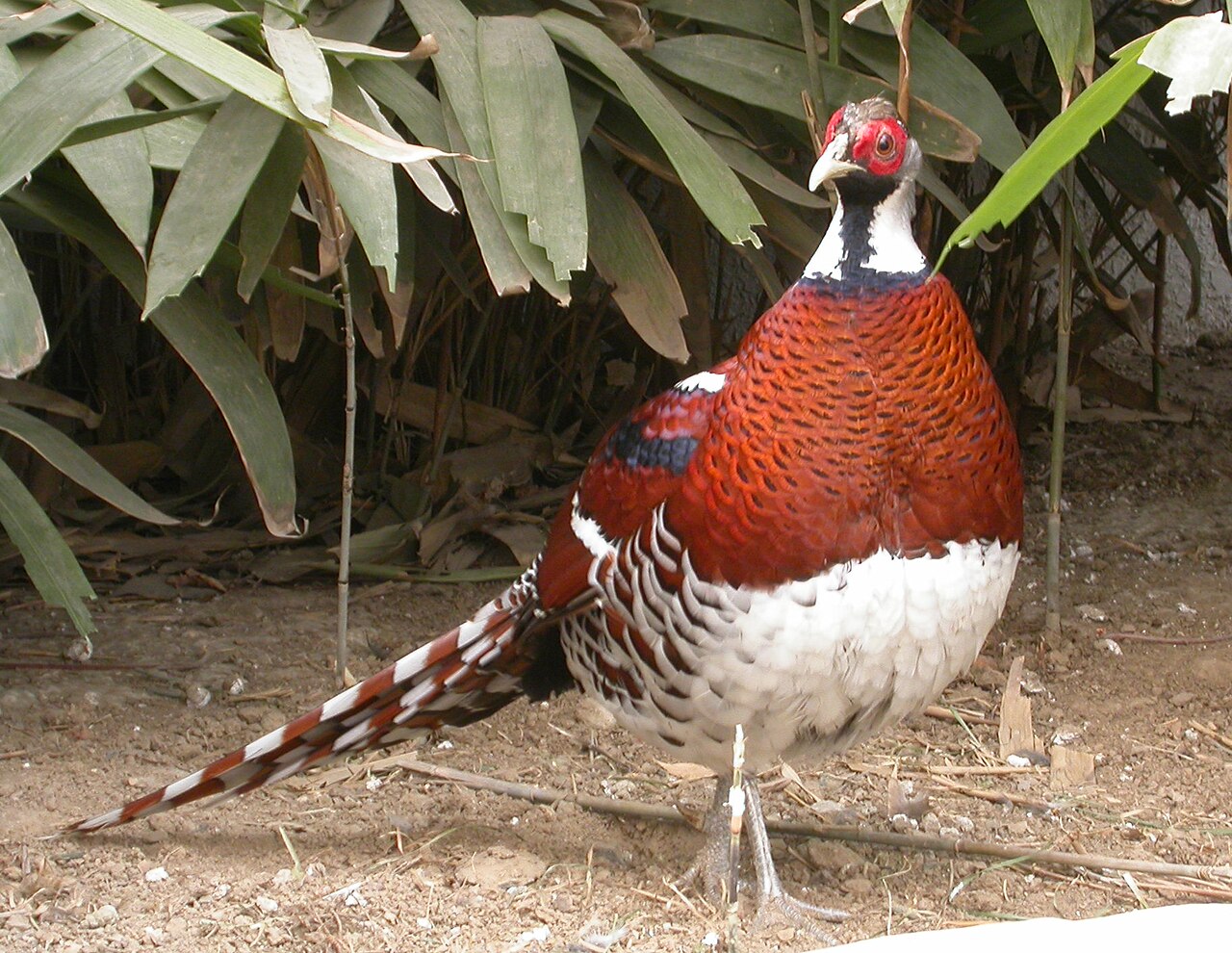
The Elgon francolin is a francolin found in moorland at altitudes above 2,300 metres (7,500 ft) from eastern Uganda to central Kenya.
Region
East Africa
Typical Environment
This species inhabits Afro-alpine moorland and montane grasslands with scattered heather and scrub from eastern Uganda to central Kenya. It favors tussock grass, ericaceous heath, and rocky slopes, often near giant lobelia and other high-altitude vegetation. Birds are most frequently encountered on gently sloping open ground with nearby cover for concealment. It can use recently burned patches for foraging, moving to thicker cover when disturbed.
Altitude Range
2300–4000 m
Climate Zone
Highland
Ease of Keeping
Beginner friendly: 1/5
The Elgon francolin is a high-montane gamebird restricted to the Afro-alpine moorlands around Mount Elgon on the Uganda–Kenya border. It was long treated as a form of Moorland Francolin but is now widely recognized as a distinct species based on plumage, voice, and range. Pairs or small coveys can be seen at dawn and dusk calling loudly from heather-clad slopes. Its range overlaps protected areas, which likely helps keep populations relatively secure.

Temperament
shy and wary, often skulking
Flight Pattern
short rapid wingbeats with explosive flush, then quick glide
Social Behavior
Typically found in pairs during the breeding season and in small coveys outside it. Nests are simple ground scrapes concealed in grass or heather, with the female incubating. Territorial calling from prominent tussocks or rocks is common at dawn and dusk.
Migratory Pattern
Resident
Song Description
A loud, ringing series of yelps and cackles delivered from the ground or low perches, often in duets. Calls carry well across open moorland and are most frequent in the early morning and late afternoon.
Plumage
Densely vermiculated and barred brown upperparts with warmer rufous tones on the neck and mantle; underparts finely scalloped with buff and dark markings. Throat usually paler, contrasting with darker facial streaking. Feathers appear coarse and camouflaged, well-suited to moorland cover.
Diet
Feeds on a mix of seeds, green shoots, bulbs, and berries, supplemented by insects and other invertebrates. It scratches at the ground and probes among tussocks to uncover food. After fires, it often exploits new growth and exposed invertebrates.
Preferred Environment
Forages in open moorland, along paths, burn edges, and among tussock grasses with nearby cover. Frequently works ecotones between dense heather and shorter swards.