The elfin woods warbler is a species of bird endemic to Puerto Rico, where it is local and uncommon. Discovered in 1968 and described in 1972, it is the most recently described New World warbler.
Region
Caribbean
Typical Environment
The species is confined to high-elevation forests of eastern and western Puerto Rico, especially elfin (dwarf) cloud forests and adjacent palo colorado stands. It favors mature, mossy, and epiphyte-laden canopies along ridges and upper slopes, with dense tangles of shrubs and small trees. It also uses adjacent secondary growth if structural complexity and epiphyte cover are sufficient. Populations can shift locally after major hurricanes, which periodically reshape canopy structure. The warbler’s range remains highly localized and fragmented across mountaintops.
Altitude Range
600–1200 m
Climate Zone
Highland
Ease of Keeping
Beginner friendly: 1/5
Endemic to Puerto Rico, the elfin woods warbler was discovered in 1968 and described in 1972, making it the most recently described New World warbler. It is closely tied to high-elevation elfin and cloud forests and is sensitive to habitat disturbance from storms. Outside the breeding season it often joins mixed-species foraging flocks. Its restricted range and specialized habitat make it a conservation priority.


![Black-and-white warbler, a species commonly mistaken for the elfin woods warbler[11]](https://upload.wikimedia.org/wikipedia/commons/thumb/f/f0/Black-and-white_Warbler_%2825767858484%29.jpg/1280px-Black-and-white_Warbler_%2825767858484%29.jpg)
Black-and-white warbler, a species commonly mistaken for the elfin woods warbler[11]


Bird count of the elfin woods warbler (2001)
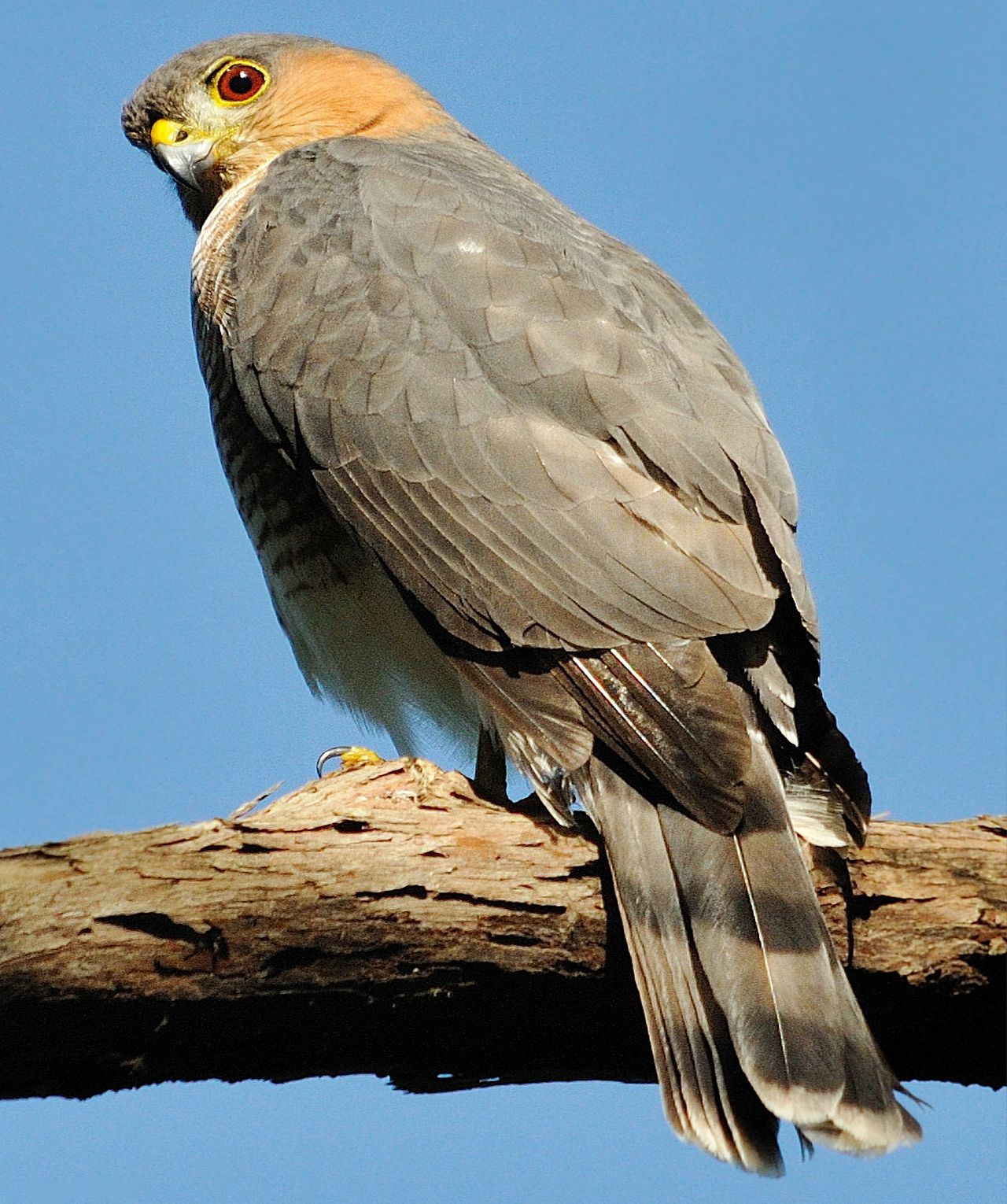
Puerto Rican sharp-shinned hawk, a natural predator of the elfin woods warbler
Temperament
shy and skulking
Flight Pattern
short rapid wingbeats with quick, darting canopy movements
Social Behavior
Breeds in pairs, building a small cup nest concealed in dense, mossy vegetation. Likely monogamous within a season and territorial during nesting. Outside the breeding period it frequently joins mixed-species flocks, moving methodically through the mid to upper canopy.
Migratory Pattern
Resident
Song Description
A thin, high-pitched series of buzzy notes and tinkling trills, often delivered from within dense foliage. Calls include sharp, high chips that can be hard to localize in windy canopy conditions.
Plumage
Predominantly black-and-white with fine streaking on the flanks, clean whitish underparts, and dark upperparts marked by two narrow white wing bars.
Diet
Primarily feeds on small arthropods such as caterpillars, beetles, spiders, and other insects gleaned from leaves and twigs. It methodically inspects epiphytes, moss mats, and bromeliads for hidden prey. Occasional aerial sallies and hover-gleaning are used to capture mobile insects. It may opportunistically take small fruit when insects are scarce, but remains predominantly insectivorous.
Preferred Environment
Forages in the mid to upper canopy of elfin and cloud forests, especially where epiphytes and mosses are abundant. Uses sheltered ravines and forest edges when wind exposure on ridges is high.