

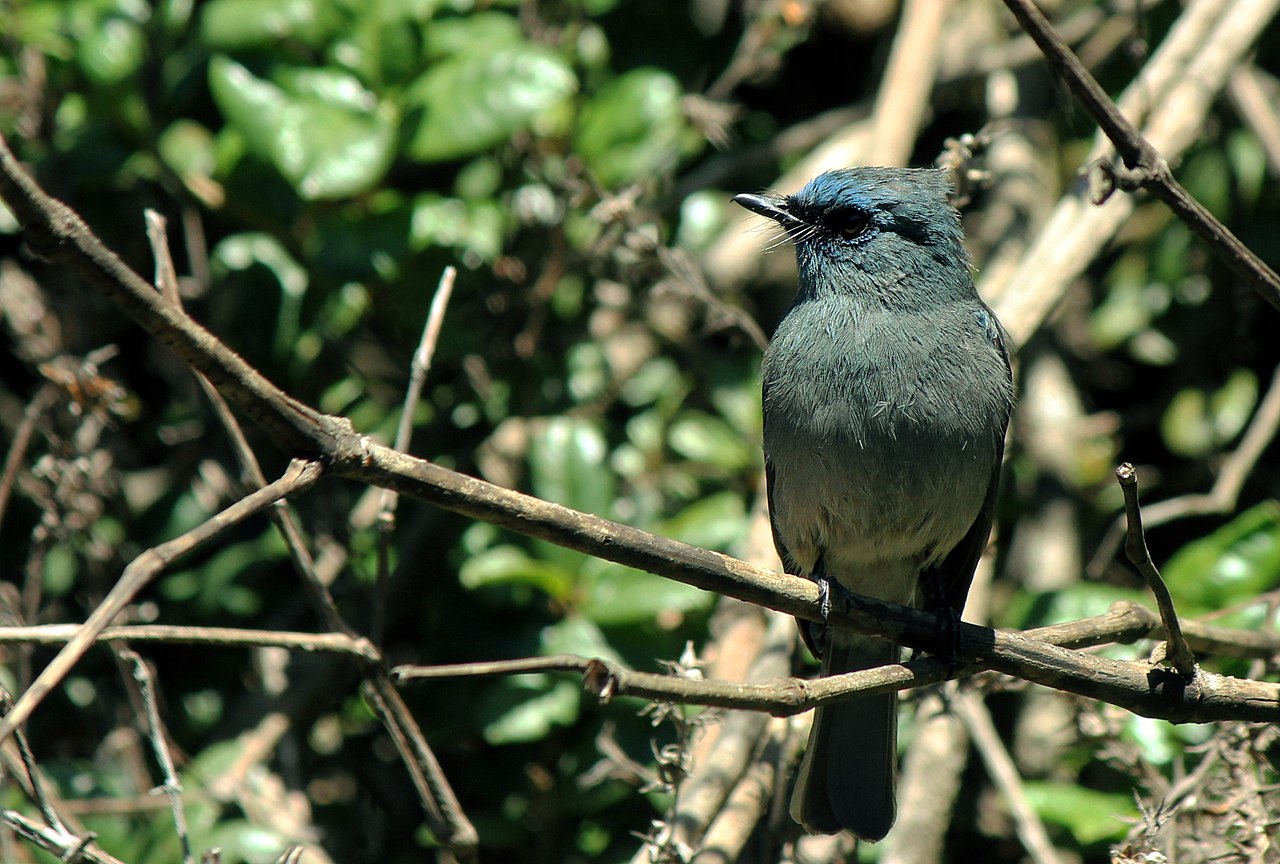
The dull-blue flycatcher is a small passerine bird in the flycatcher family, Muscicapidae. This species is an endemic resident breeder in the hills of central Sri Lanka.
Region
Sri Lankan Central Highlands
Typical Environment
Found in montane and submontane evergreen forests, cloud forests, and well-wooded edges in the central highlands. It frequents forest clearings, trails, stream valleys, and adjacent gardens or tea estates where shade trees persist. Birds typically use mid-storey to lower canopy perches for flycatching and will also drop to understory glades. It is most numerous in intact forest but tolerates semi-wooded landscapes if native cover remains.
Altitude Range
600–2200 m
Climate Zone
Highland
Ease of Keeping
Beginner friendly: 1/5
Endemic to the montane forests of central Sri Lanka, the dull-blue flycatcher is a quiet but confiding insect-hunter. It often sallies from shaded perches to snatch prey mid-air, then returns to the same lookout. Pairs are strongly territorial during the breeding season and build neat mossy cup nests near streams or on banks.


Horton Plains National Park is a national park in the central highlands of Sri Lanka

Dull-blue flycatcher (below) with brown-breasted flycatcher and black-naped monarch
Temperament
quiet, confiding, and territorial in pairs
Flight Pattern
short rapid wingbeats with quick sallies from a perch
Social Behavior
Usually seen singly or in pairs; pairs maintain and defend territories during the breeding season. Nests are neat mossy cups placed on banks, ledges, or among roots and ferns near shaded streams. Both parents feed the nestlings, and family groups may remain together briefly after fledging.
Migratory Pattern
Resident
Song Description
A soft, sweet series of clear whistles interspersed with thin metallic notes. Calls include a sharp tik or tsip given during foraging and contact.
Plumage
Overall dull slate-blue to bluish-grey with darker head and upperparts, slightly paler bluish-grey underparts, and dusky wings and tail with subtle pale fringes. Females are a bit duller and browner-toned; juveniles show mottling and spotting. Bill is dark and relatively broad at the base.
Diet
Primarily small flying insects such as flies, moths, and beetles, caught by short sallies from shaded perches. It also gleans caterpillars and other arthropods from foliage and occasionally takes small berries. Foraging is deliberate, with frequent returns to favored perches.
Preferred Environment
Feeds along forest edges, clearings, and streamside glades within montane forest. Often uses mid-level perches with open sightlines and will hunt along trails and around forest-adjacent gardens.


