

The Bugun liocichla is a passerine bird species from the family Leiothrichidae closely related to the Emei Shan liocichla. First spotted in 1995 in Arunachal Pradesh, India, it was described as a new species in 2006. The description was made without the collection of a type specimen as they were too few to risk killing one. It is thought to be an endangered species, with a small population, and a very restricted distribution range within which commercial development threatens the habitat.
Region
Eastern Himalaya
Typical Environment
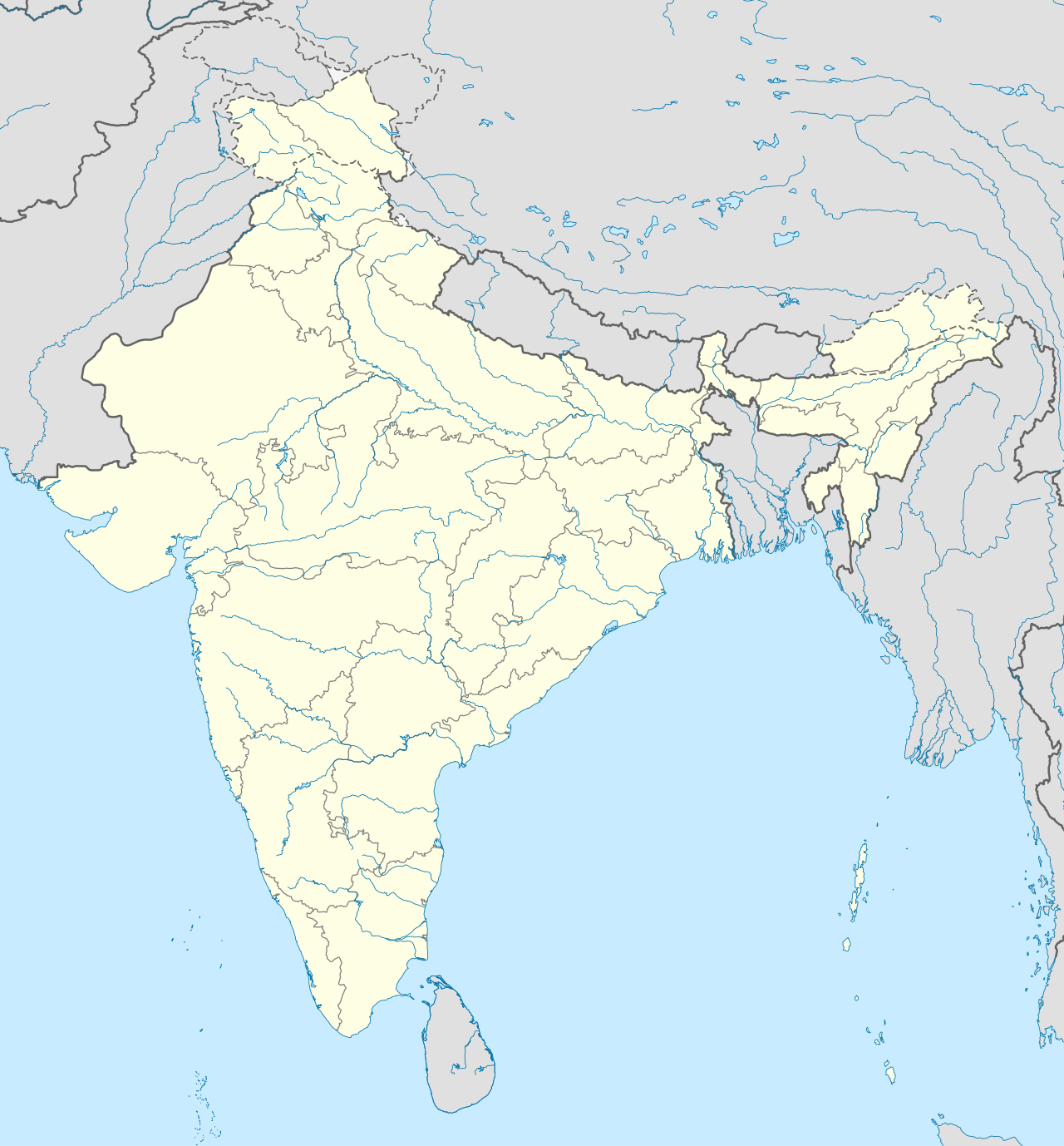
Occurs in a very restricted area of the Eaglenest–Bugun community forests of Arunachal Pradesh. Favors dense mid-elevation broadleaf evergreen forest with thick undergrowth, bamboo, and forest edge scrub. Often keeps to shaded gullies, landslide edges, and secondary growth where it forages low. It is closely tied to intact understory and lightly disturbed mosaic habitats, avoiding open areas. Localized microhabitat preferences make it sensitive to road building and logging.
Altitude Range
1800–2600 m
Climate Zone
Highland
Ease of Keeping
Beginner friendly: 1/5
Discovered in the 1990s and formally described in 2006 without collecting a type specimen due to its extreme rarity. It is named after the local Bugun community near whose lands it was found in Arunachal Pradesh, India. The species has a tiny range and population, making it highly vulnerable to habitat disturbance, but community-led conservation has been pivotal for its protection.

Temperament
shy and skulking
Flight Pattern
short rapid wingbeats through dense cover
Social Behavior
Usually seen in pairs or small family groups and sometimes joins mixed-species foraging flocks. Nests are placed low in dense shrubs or bamboo. Likely monogamous with cooperative vigilance while foraging. Breeding is thought to occur in the late spring to early summer.
Migratory Pattern
Resident
Song Description
A soft, mellow series of fluty whistles delivered in short phrases, often from concealed perches. Calls include gentle chups and scolding notes when alarmed. The song carries surprisingly well through dense vegetation.
Plumage
Olive-green body with a darker, dusky head and throat; contrasting bright yellow-ochre panels in the wings and yellow-tipped tail. Subtle rufous-orange tones on the tertials and undertail coverts. Fine, neat feathering with a smooth, unspotted finish.
Diet
Feeds primarily on insects and other small arthropods gleaned from foliage and twigs. Supplements its diet with berries and small fruits, especially in the non-breeding season. Forages deliberately, picking prey from leaves and probing into bamboo and vine tangles.
Preferred Environment
Forages in dense understory, bamboo clumps, and along shaded forest edges. Often stays within 1–5 meters of the ground, using cover to remain concealed. May follow mixed flocks to exploit disturbed insects.


