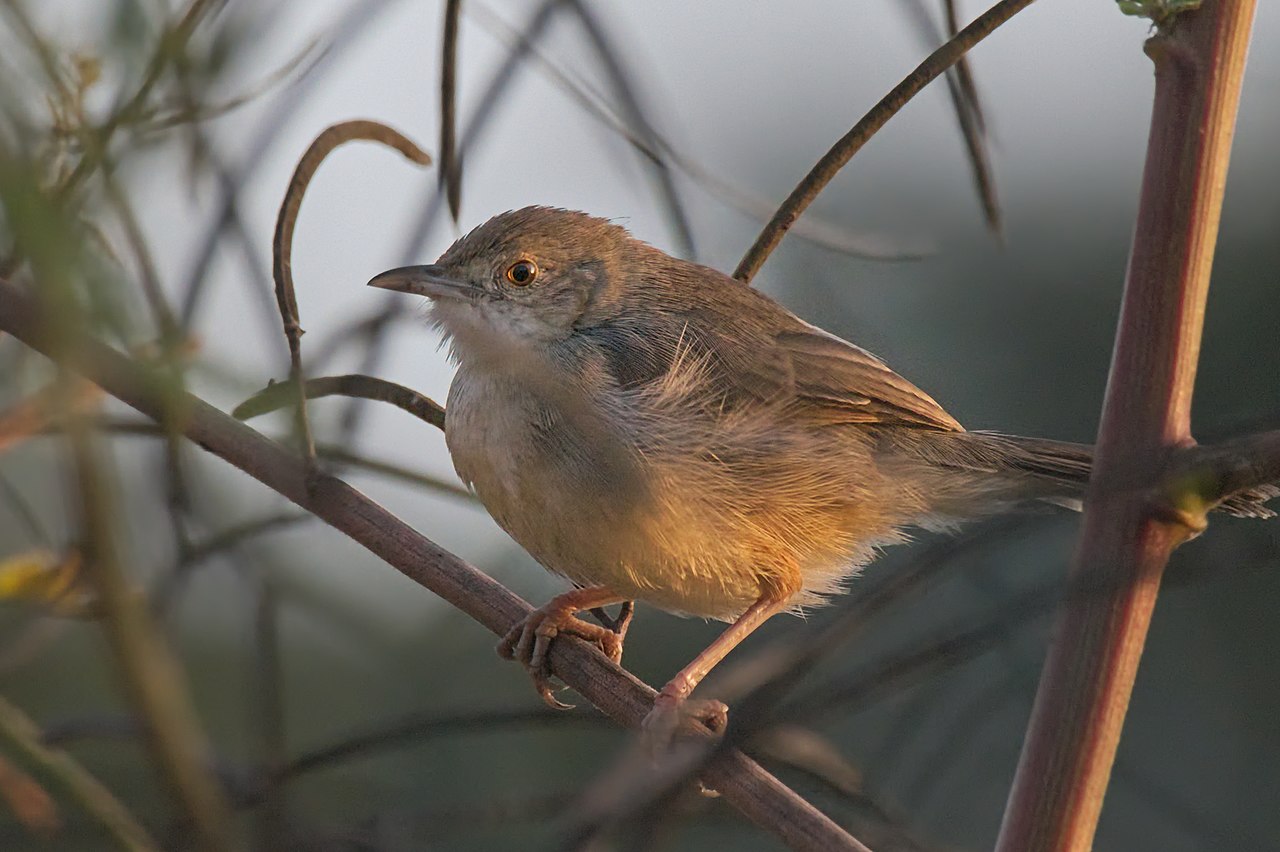
Bruce's green pigeon, also known as the yellow-bellied fruit pigeon or the yellow-bellied green pigeon, is a species of bird in the family Columbidae.
Region
Sahel and Horn of Africa
Typical Environment
Occurs widely from the Sahel belt of West Africa across to Northeast Africa and the Horn, with populations extending into adjacent East African dry zones and locally in the southwest Arabian Peninsula. It favors dry savanna, acacia and broadleaf woodlands, and riparian corridors with fruiting trees. Common around fig groves and wooded farmland where large fruiting trees persist. Avoids open desert and dense rainforest, remaining mostly in tree canopies. Often gathers at seasonally fruiting trees and may move locally following food.
Altitude Range
0–2400 m
Climate Zone
Tropical
Ease of Keeping
Beginner friendly: 1/5
Bruce's green pigeon, also called the yellow-bellied green pigeon, is an arboreal fruit specialist that often clambers among branches like a parrot. It plays an important role in seed dispersal, especially for figs (Ficus). The species is typically shy and keeps to the canopy, descending rarely to the ground. Its fast, direct flight is characteristic of pigeons and doves.


Bruce's Green Pigeon, feeding. Djibouti, 2013
Temperament
social and wary
Flight Pattern
fast, direct flight with rapid wingbeats
Social Behavior
Often seen in small groups or loose flocks at fruiting trees. Pairs are typically monogamous during the breeding season. Nests are flimsy twig platforms placed well above ground in trees, where 1–2 white eggs are laid.
Migratory Pattern
Partial migrant
Song Description
Vocalizations are soft, mellow whistles and cooing phrases, often delivered from within dense foliage. Calls carry modestly and can be easily overlooked amid canopy insects and wind noise.
Plumage
Smooth, predominantly green upperparts with a distinctly yellow belly and cleaner greyish head; underwings show yellowish tones in flight. Females are similar but slightly duller and more uniformly green below.
Diet
Primarily eats fruit, especially figs, which it swallows whole and later disperses as seeds. Also takes other soft fruits and occasionally buds and flowers. Forages methodically among branches and may hang upside down to reach clusters. Rarely feeds on the ground.
Preferred Environment
Feeds high in the canopy of fruiting woodland trees, especially along rivers and in savanna woodlands. Frequently visits isolated large fruiting trees in farmland and village edges.