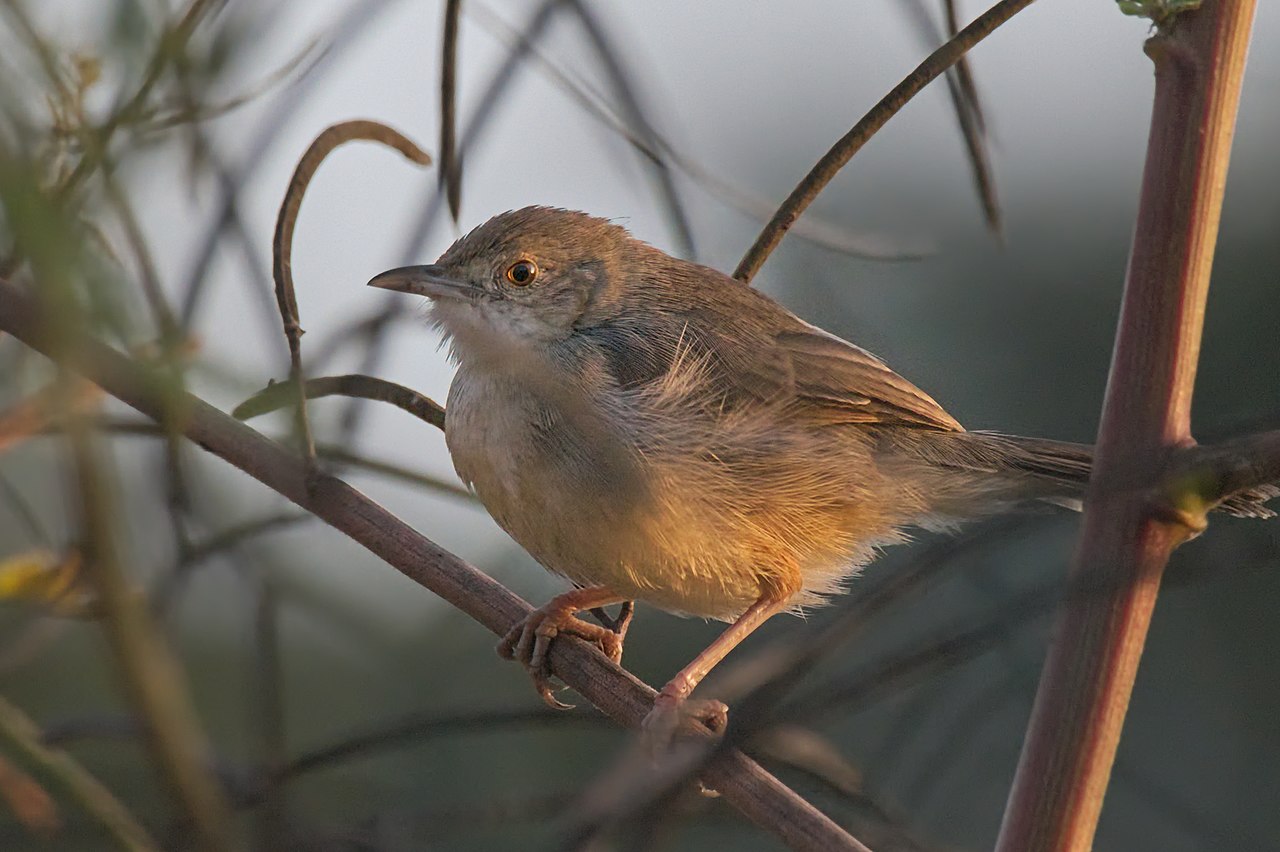
The brownish-headed antbird is a species of passerine bird in subfamily Thamnophilinae of family Thamnophilidae, the "typical antbirds". It is found in Bolivia and Peru.
Region
Southwestern Amazonia
Typical Environment
Occurs in lowland humid forests of southeastern Peru and northern Bolivia, especially within the western Amazon Basin. It favors dense understory in terra firme and seasonally flooded (várzea) forests, often near river edges and oxbow lakes. Thickets of Guadua bamboo and vine tangles are frequently used for foraging and cover. It also enters tall secondary growth if the understory is dense and shaded.
Altitude Range
100–900 m
Climate Zone
Tropical
Ease of Keeping
Beginner friendly: 1/5
A member of the antbird family (Thamnophilidae), it skulkily forages in the shaded understory and sometimes follows army ant swarms to catch flushed insects. It is closely related to the spot-winged antbird group and has been reshuffled taxonomically into the genus Myrmelastes. Pairs maintain year-round territories and communicate with rich, whistled duets.
Temperament
solitary and territorial
Flight Pattern
short rapid wingbeats through the understory
Social Behavior
Typically found in pairs that keep to dense understory and defend small territories year-round. Nests are placed low, in shrubs or vine tangles; both sexes participate in nesting duties. Often avoids mixed-species flocks but may shadow them along forest edges of the understory.
Migratory Pattern
Resident
Song Description
Song is a series of mellow, descending whistles or rich notes delivered as a duet between mates. Calls include soft chips and scolds given from cover when alarmed.
Plumage
Understory antbird with a warm brown head contrasting with darker olive-brown to dusky upperparts and plain, shadowy underparts; small pale spotting on the wing coverts may be visible at close range.
Diet
Feeds mainly on arthropods such as insects, spiders, and larvae, gleaned from leaves, vines, and leaf litter. It sometimes sallies to the ground to seize prey disturbed by movement. The species occasionally follows army ant swarms to take flushed insects but is not an obligate ant follower.
Preferred Environment
Forages in shaded, dense understory of mature forest, bamboo thickets, and overgrown edges. Most feeding occurs 0–2 m above ground, within vine tangles and along fallen logs.