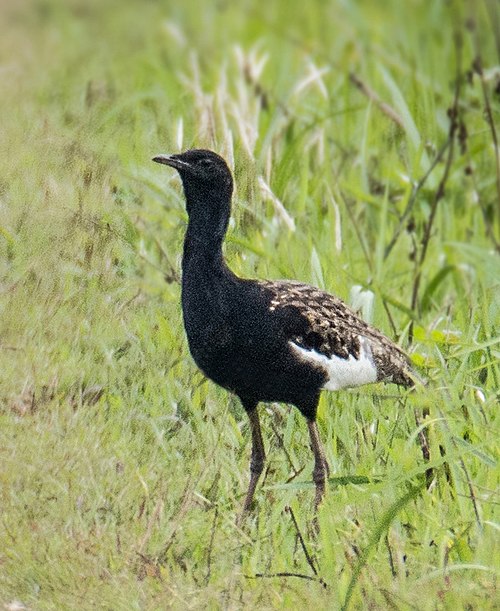
The Bengal bush lark or Bengal lark is a species of lark in the family Alaudidae found in southern Asia.
Region
South Asia
Typical Environment
Occurs mainly in the eastern plains of India and across much of Bangladesh, with strongholds in open grasslands, fallow fields, and scrubby agricultural mosaics. It frequents dry to seasonally wet grassy habitats with scattered shrubs and low perches. The species adapts well to human-modified landscapes, including field margins and pastures. Local densities increase after rains when grasses seed and insects are abundant.
Altitude Range
0–1500 m
Climate Zone
Subtropical
Ease of Keeping
Beginner friendly: 1/5
The Bengal bush lark is a small, ground-dwelling lark that favors open grasslands and scrubby farmland, often perching on low bushes or fence posts to deliver its song. Its rufous wing panels flash in short fluttering flights, aiding identification. It builds a well-hidden cup nest on the ground, usually during the monsoon months.


Temperament
solitary and territorial
Flight Pattern
short rapid wingbeats with fluttering song flights
Social Behavior
Usually seen singly or in pairs, defending small territories during the breeding season. Nests are shallow, well-concealed cups on the ground tucked into grass tussocks. Likely monogamous, with males performing display flights and song from low perches. Outside breeding, may occur loosely with other small ground birds in suitable habitat.
Migratory Pattern
Resident
Song Description
A lively series of tinkling trills and chirps, delivered from a perch or during brief ascending flutter flights. Phrases are repeated with variable tempo, often accelerating and then trailing off.
Plumage
Fine, streaked brown upperparts with darker shaft streaks; pale, lightly streaked underparts with a buffy wash on the breast. Shows warm rufous tones in the primaries and coverts, especially visible in flight. Short tail and a slightly crested, rounded head profile typical of bush larks.
Diet
Takes a mixed diet of grass seeds and small invertebrates such as beetles, ants, termites, and grasshoppers. During wetter months it consumes more insects and larvae, shifting to seeds in drier periods. Forages by walking and picking items from bare soil and the bases of grasses.
Preferred Environment
Feeds on the ground in open grasslands, field edges, fallow plots, and scrubby pasture. Prefers areas with patchy bare ground and short to medium grass for easy gleaning.