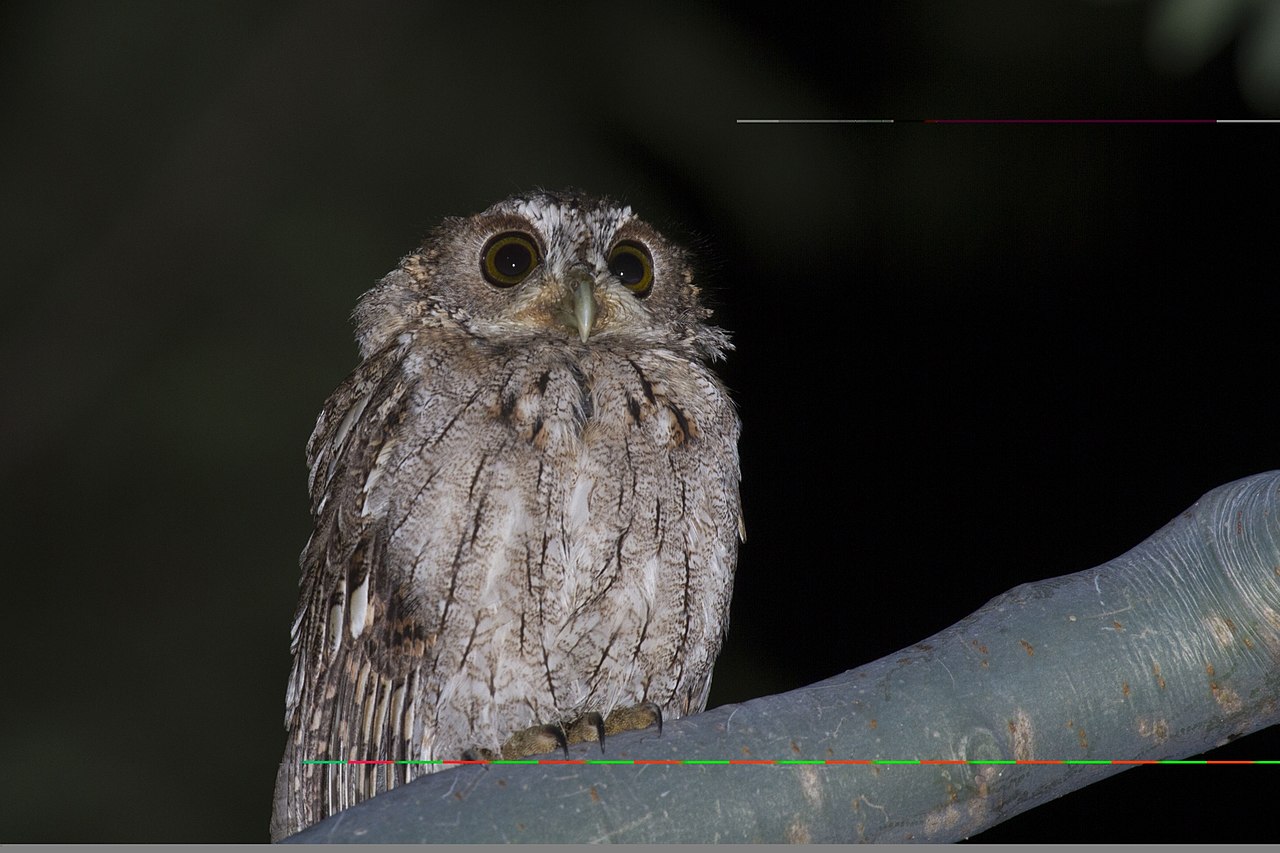
The Baliem whistler or Balim whistler is a species of bird of the whistler family Pachycephalidae that is endemic to New Guinea.
Region
New Guinea Central Highlands
Typical Environment
Occurs in the montane forests and forest edges of the central highlands of New Guinea, especially around the Baliem Valley. It favors midstory and edges of primary and mature secondary forest, and will also use wooded gardens and clearings with tall trees. Birds often keep to shaded foliage, moving methodically while foraging. The species’ range is patchy, tracking suitable high-elevation forest.
Altitude Range
1200–2800 m
Climate Zone
Highland
Ease of Keeping
Beginner friendly: 1/5
The Baliem whistler is a highland songbird of New Guinea’s central ranges, named after the Baliem Valley in Indonesian Papua. It is more often heard than seen, giving clear, ringing whistles from midstory perches. It can be confused with other New Guinea whistlers, but its voice and high-elevation range are helpful clues. While not currently threatened, ongoing habitat changes in montane forests could affect local populations.
Temperament
solitary and territorial
Flight Pattern
short rapid wingbeats with brief undulations between perches
Social Behavior
Usually seen singly or in pairs, maintaining small territories year-round. Pairs build a small cup nest in dense foliage or midstory forks. Both parents typically participate in feeding nestlings.
Migratory Pattern
Resident
Song Description
A loud, clear series of melodious whistles, often delivered from a concealed perch. Calls include sharp contact notes and short piping phrases used to maintain territory and pair cohesion.
Plumage
Olive-green to olive-brown upperparts with cleaner yellow underparts; throat pale yellow to whitish. Head gray-olive with a subtle dusky mask; wings plain with faint edging. Feathers are smooth and close-fitting, giving a neat, compact appearance.
Diet
Primarily hunts insects such as beetles, caterpillars, and other arthropods gleaned from leaves, twigs, and bark. Occasionally sallies to catch flying insects. May supplement diet with small berries when available.
Preferred Environment
Forages in the midstory and lower canopy of montane forest, especially along edges, gaps, and secondary growth. Also visits forested gardens and clearings with mature trees.