
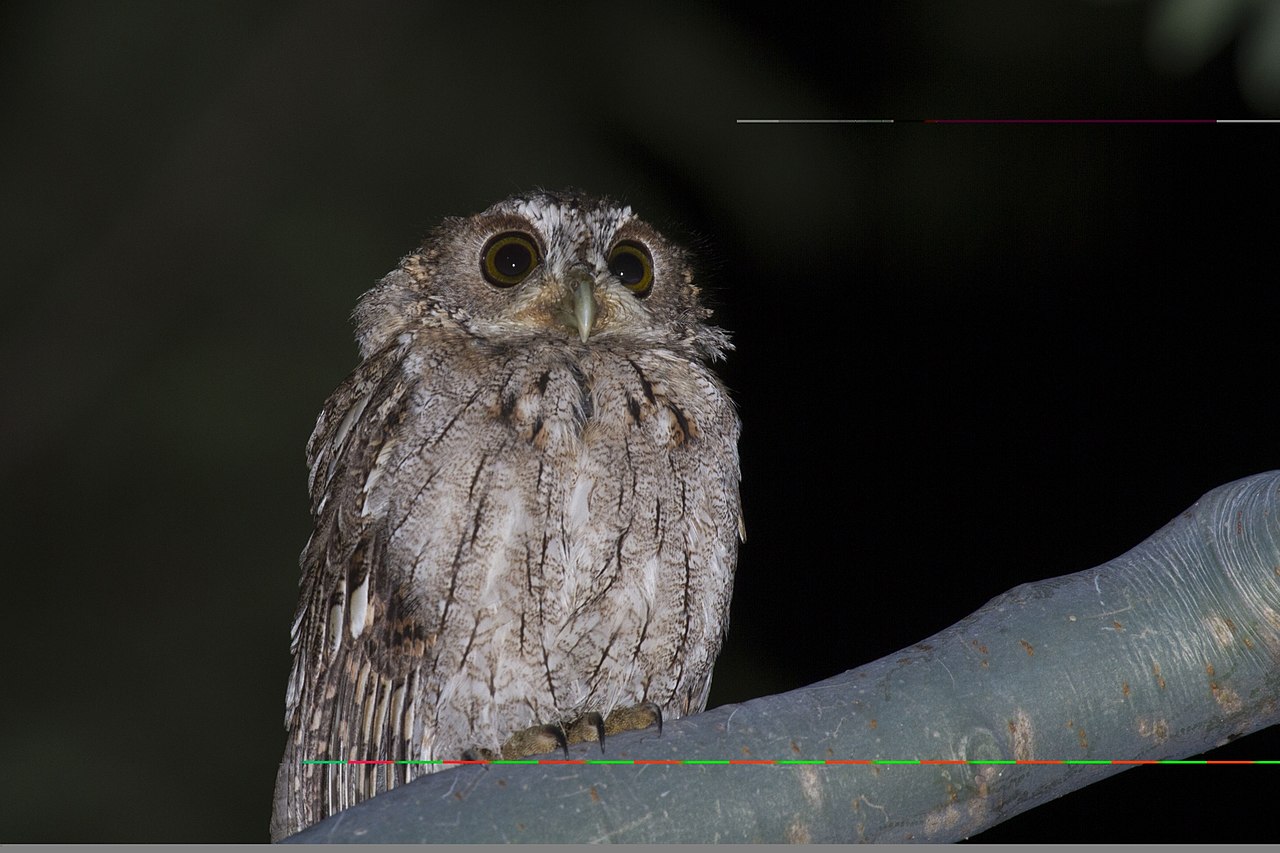
The Balsas screech owl is a species of owl in the family Strigidae. It is endemic to Mexico.
Region
Balsas Depression, west-central Mexico
Typical Environment
Occurs in tropical dry forest, thorn scrub, and semi-deciduous woodland within the Balsas River basin. It frequents forest edges, riparian corridors, and semi-open areas with scattered large trees. The species uses natural cavities and old woodpecker holes for nesting. It generally avoids dense, closed-canopy humid forest and heavily urbanized zones.
Altitude Range
200–1500 m
Climate Zone
Tropical
Ease of Keeping
Beginner friendly: 1/5
The Balsas screech owl is a small ear-tufted owl restricted to the Balsas River basin of west‑central Mexico. It favors tropical dry forests where it hunts mostly large insects at night. Its limited range and habitat loss have led to conservation concern.


Temperament
solitary and territorial
Flight Pattern
silent, short rapid wingbeats with brief glides
Social Behavior
Typically found alone or in pairs during the breeding season. Nests in tree cavities, often reusing old woodpecker holes; clutch size is small. Pairs are presumed monogamous and defend a territory with vocal displays at night.
Migratory Pattern
Resident
Song Description
A series of soft, low-pitched hoots and trills given in measured sequences at night. Calls are ventriloquial and can be difficult to locate in dense dry forest.
Plumage
Mottled gray-brown with fine streaking and barring; compact, with small ear tufts and a defined facial disk.
Diet
Feeds primarily on large insects such as beetles, katydids, and moths. It may also take small vertebrates including lizards and small rodents when available. Prey is usually taken by short sallies from a perch or by pouncing to the ground.
Preferred Environment
Hunts along forest edges, clearings, and riparian strips within tropical dry forest. Often uses perches near open patches, trails, and gaps where prey activity is higher.


