

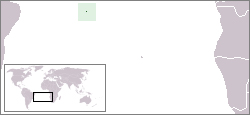
The Ascension crake is an extinct flightless bird that previously lived on Ascension Island in the South Atlantic Ocean. Like many other flightless birds on isolated islands, it was a rail. It was declared extinct by Groombridge in 1994; BirdLife International confirmed this in 2000 and 2004.
Region
South Atlantic Ocean
Typical Environment
Endemic to Ascension Island, it occupied terrestrial habitats across the small volcanic island. It likely favored dense ground cover such as fern and grass thickets, lava-flow margins, and damp gullies where invertebrates were abundant. Proximity to seabird colonies may have provided additional food resources through scavenging. With reduced wings, it depended on cover and running rather than flight to move between microhabitats. Its range was limited by the island’s size and the availability of vegetated ground-level shelter.
Altitude Range
Sea level to 850 m
Climate Zone
Tropical
Ease of Keeping
Beginner friendly: 1/5
The Ascension crake was a tiny, flightless rail restricted to remote Ascension Island in the South Atlantic. It likely evolved flightlessness in the predator-free environment of the island. The species disappeared after the introduction of mammals such as rats and cats, along with habitat alteration. It is known from subfossil remains and historical accounts rather than modern specimens.


Drawing of the skull
Temperament
skulking and secretive
Flight Pattern
flightless; relies on running through cover
Social Behavior
Like many island rails, it was probably territorial in dense ground vegetation and occurred singly or in pairs. Nests were likely placed on or near the ground, concealed in thick herbaceous cover. Breeding biology is unrecorded, but rails typically lay clutches of several eggs with both parents involved in care.
Migratory Pattern
Resident
Song Description
Vocalizations were not recorded, but small rails commonly give thin squeaks, grunts, and repeated piping notes from cover. Calls were likely used to maintain contact between mates and to advertise territory.
Plumage
unknown
Diet
It likely fed primarily on terrestrial invertebrates such as beetles, ants, termites, and small snails. As an opportunistic island rail, it may also have taken seeds, fallen fruits, and carrion. Around seabird nesting areas it could have scavenged scraps or preyed on small invertebrates attracted to guano and detritus.
Preferred Environment
Foraging probably occurred in dense low vegetation, among rocks and lava blocks, and in moist gullies where leaf litter and detritus harbored prey. It likely probed and gleaned from the ground and under cover, seldom venturing into open areas.


