

The acorn woodpecker is a medium-sized woodpecker with a length of around 20 cm (8 in), and an average weight of 85 g (3.0 oz). It is found across Central America, as well as North into the western United States and South into parts of Colombia.
Region
Western North America and Central America into northern South America
Typical Environment
Occupies oak and mixed oak–conifer woodlands from western Oregon and California through Mexico and Central America to the northern Andes of Colombia. Common in foothills, canyon slopes, and upland forests with plentiful oaks. Uses open woodlands, riparian corridors, and even suburban parks where mature oaks are present. Avoids dense closed-canopy conifer forests and treeless deserts. Granary trees are typically large oaks or utility poles with suitable wood for storage.
Altitude Range
Sea level to 3000 m
Climate Zone
Temperate
Ease of Keeping
Beginner friendly: 1/5
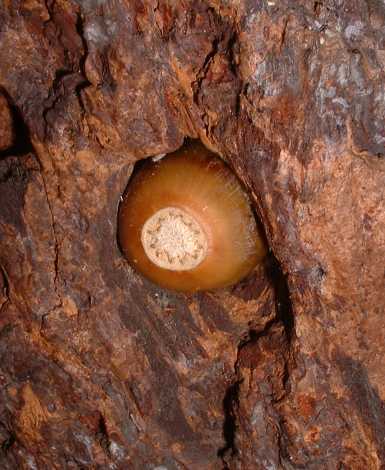
Acorn woodpeckers are famous for creating communal ‘granary’ trees, where groups drill thousands of holes to store acorns for the lean seasons. They live in cooperative family groups with complex social structures, often including multiple breeders. Their pale whitish eyes and clown-like face pattern make them easy to recognize. They also hawk insects in midair, a behavior unusual for woodpeckers.



Temperament
social and active
Flight Pattern
undulating with short, stiff wingbeats
Social Behavior
Highly social cooperative breeders that live in multi-generational groups and defend granary trees year-round. Several males and females may share breeding duties, with helpers assisting in feeding and defense. Nests are excavated in cavities within snags or large trees near food stores.
Migratory Pattern
Resident
Song Description
Vocalizations include loud, nasal waka-waka or rattle-like calls used to keep group members in contact. Drumming is short and purposeful, often associated with territorial displays near granaries.
Plumage
Glossy black upperparts with bold white patches in the wings and rump, white underparts with dark spotting or barring, and a striking black-and-white face with a bright red crown.
Diet
Primarily consumes acorns, which are stored in granary trees and cached for later use. Supplements diet with flying insects caught by sallying from perches, as well as ants, beetles, and other invertebrates gleaned from bark. Also takes fruits, sap, and occasionally eggs or nestlings.
Preferred Environment
Feeds in oak woodlands and mixed oak–pine forests where mature trees provide both acorns and storage sites. Often forages along trunks and branches near granaries and makes frequent flycatching sallies into open airspace.


