

The white-naped xenopsaris, also known as the reed becard and white-naped becard, is a species of suboscine bird in the family Tityridae, the only member of the genus Xenopsaris. It is found in South America, in humid subtropical and tropical savanna climates in most of the countries east of the Andes: Venezuela, Brazil, Bolivia, Paraguay, Uruguay, and Argentina. Living in open woodland and other open forest habitats, it is mostly sedentary, though some populations may be migratory. The species, which is closely related to becards and tityras, was thought to be either a tyrant-flycatcher or cotinga, before it was placed in Tityridae.
Region
South America east of the Andes
Typical Environment
Found widely in tropical and subtropical savannas, open woodlands, gallery forests, and forest edges. It frequents river margins, palm groves, and secondary growth with scattered trees or tall shrubs. It adapts well to lightly altered habitats, including pastures with remnant trees and edges of plantations. Occurrence spans the Llanos, Cerrado, Pantanal, Chaco margins, and similar open habitats across the region.
Altitude Range
Sea level to 1500 m
Climate Zone
Tropical
Ease of Keeping
Beginner friendly: 1/5
The white-naped xenopsaris (also called reed becard) is the sole member of the genus Xenopsaris within the family Tityridae. It occurs east of the Andes from Venezuela south through Brazil, Bolivia, Paraguay, Uruguay, and Argentina, favoring open woodlands and savanna edges. Mostly resident, some populations show local or seasonal movements following rainfall and food availability. It was historically placed with tyrant-flycatchers or cotingas before being assigned to Tityridae.


Juveniles have different plumage to the adults.

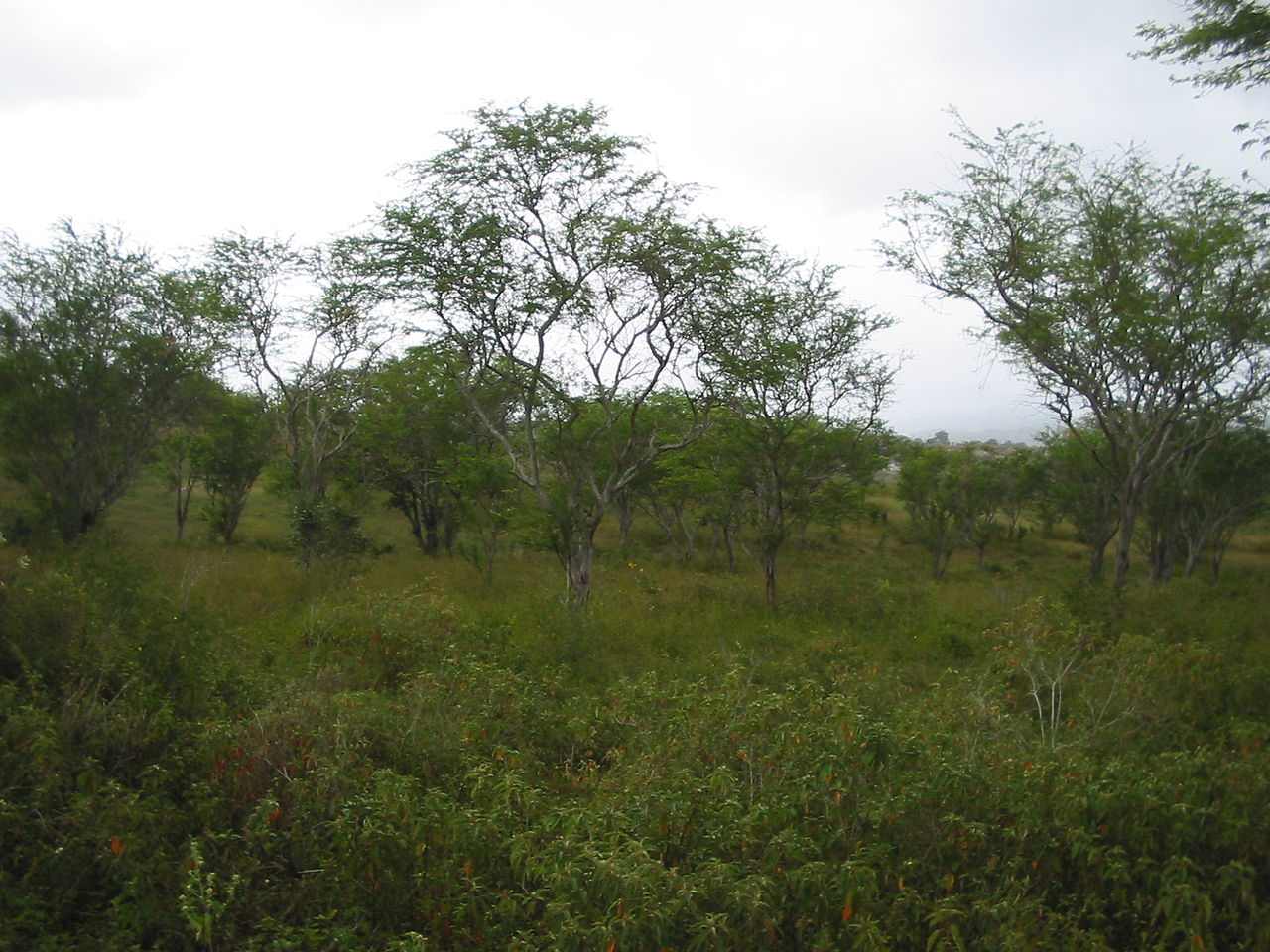
Caatinga, one of the habitats used by this species
Temperament
unobtrusive and active
Flight Pattern
short rapid wingbeats with brief sallies
Social Behavior
Typically seen singly, in pairs, or small family groups, often foraging quietly along edges and open canopies. Territorial pairs maintain small home ranges during breeding. Both sexes participate in parental care. It occasionally associates loosely with mixed-species flocks in open woodland.
Migratory Pattern
Partial migrant
Song Description
The voice is a soft series of clear, whistled notes interspersed with thin tseet calls. Songs are simple and short, delivered from exposed perches, especially at dawn. Calls are unobtrusive and can be easily overlooked in windy savannas.
Plumage
Crisp white underparts with darker gray-brown to blackish upperparts and a conspicuous white patch on the nape. The crown and face appear dusky, contrasting with the white throat and nape; females tend to be browner and less contrasting. Tail is dark and fairly long, wings dusky with subtle edging.
Diet
Primarily small insects such as beetles, hemipterans, flies, caterpillars, and ants; also takes spiders. It forages by sallying from exposed perches, hover-gleaning from outer foliage, and picking prey from twigs and leaves. Occasional small fruits may be taken opportunistically when insects are scarce.
Preferred Environment
Forages along forest edges, gallery forests, and scattered trees in savanna and pastures. Often selects outer canopies and mid-story edges, including scrubby river margins and palm stands.


