

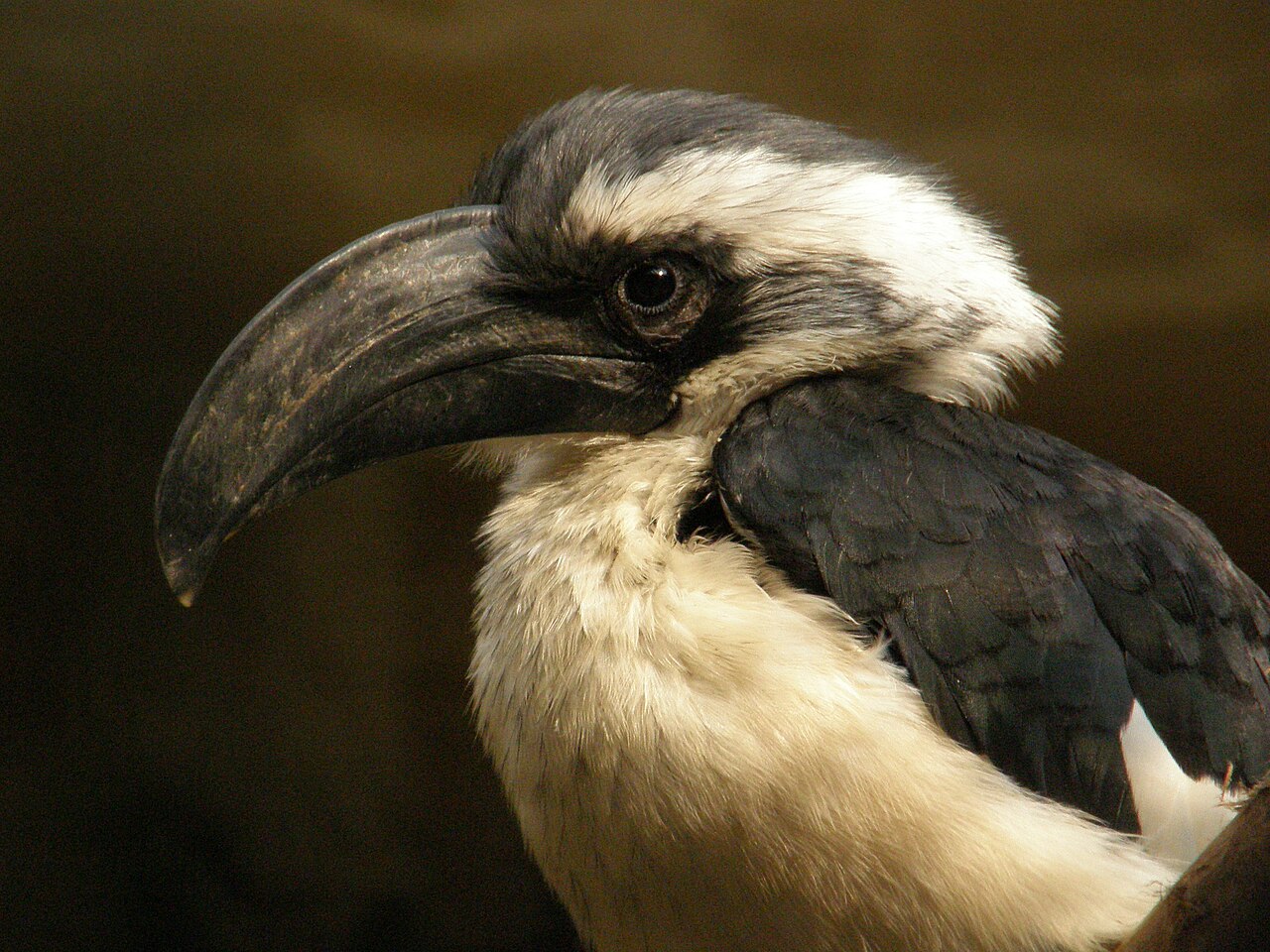
Von der Decken's hornbill is a hornbill found in East Africa, especially to the east of the East African Rift, from Ethiopia south to Tanzania. It is found mainly in thorn scrub and similar arid habitats. Jackson's hornbill is often treated as a subspecies of it. It was named after the German explorer Baron Karl Klaus von der Decken (1833–1865).
Region
East Africa
Typical Environment
Occurs east of the East African Rift from southeastern Ethiopia through Somalia and Kenya to northeastern and central Tanzania. It inhabits arid and semi-arid Acacia–Commiphora bushland, thorn scrub, and open wooded savanna. The species favors edges of dry riverine woodland and scattered trees in pastoral and agricultural mosaics, often near human settlements. It avoids dense forest and very high montane zones. Roosting typically occurs in larger trees within its open habitats.
Altitude Range
0–1800 m
Climate Zone
Subtropical
Ease of Keeping
Beginner friendly: 2/5
Von der Decken's hornbill is a small East African hornbill of dry savannas and thorn scrub, named after the German explorer Baron Karl Klaus von der Decken. The species nests in tree cavities where the female is sealed inside with mud and droppings, leaving only a slit through which the male feeds her and the chicks. Jackson's hornbill is often treated as a subspecies in some treatments.




Male with a large insect, Serengeti National Park, Tanzania
Temperament
wary but active; often in pairs or small family groups
Flight Pattern
short rapid wingbeats interspersed with glides
Social Behavior
Usually found in pairs or small groups, maintaining territories year-round. Monogamous pairs nest in natural tree cavities; the female is sealed in during incubation and early chick-rearing while the male delivers food. After the chicks grow, the female may break out and re-seal the cavity to continue care.
Migratory Pattern
Resident
Song Description
Vocalizations include rapid clucking and cackling series, often described as sharp tok-tok or kek-kek sequences. Calls carry well across open scrub and are used for pair contact and territorial advertisement.
Plumage
Contrasting black upperparts and wings with white head, neck, and underparts; black tail with white outer tail feathers.
Diet
An opportunistic omnivore that takes insects (termites, beetles, grasshoppers), spiders, and small vertebrates such as lizards and nestling birds. It also consumes fruits and berries, particularly from figs and other dryland trees and shrubs. Foraging is often on or near the ground as well as by gleaning from branches and trunks.
Preferred Environment
Feeds in open thorn scrub, acacia savanna, and along dry river courses with scattered trees. Frequently forages at edges of cultivation and around livestock areas where insects are abundant.


