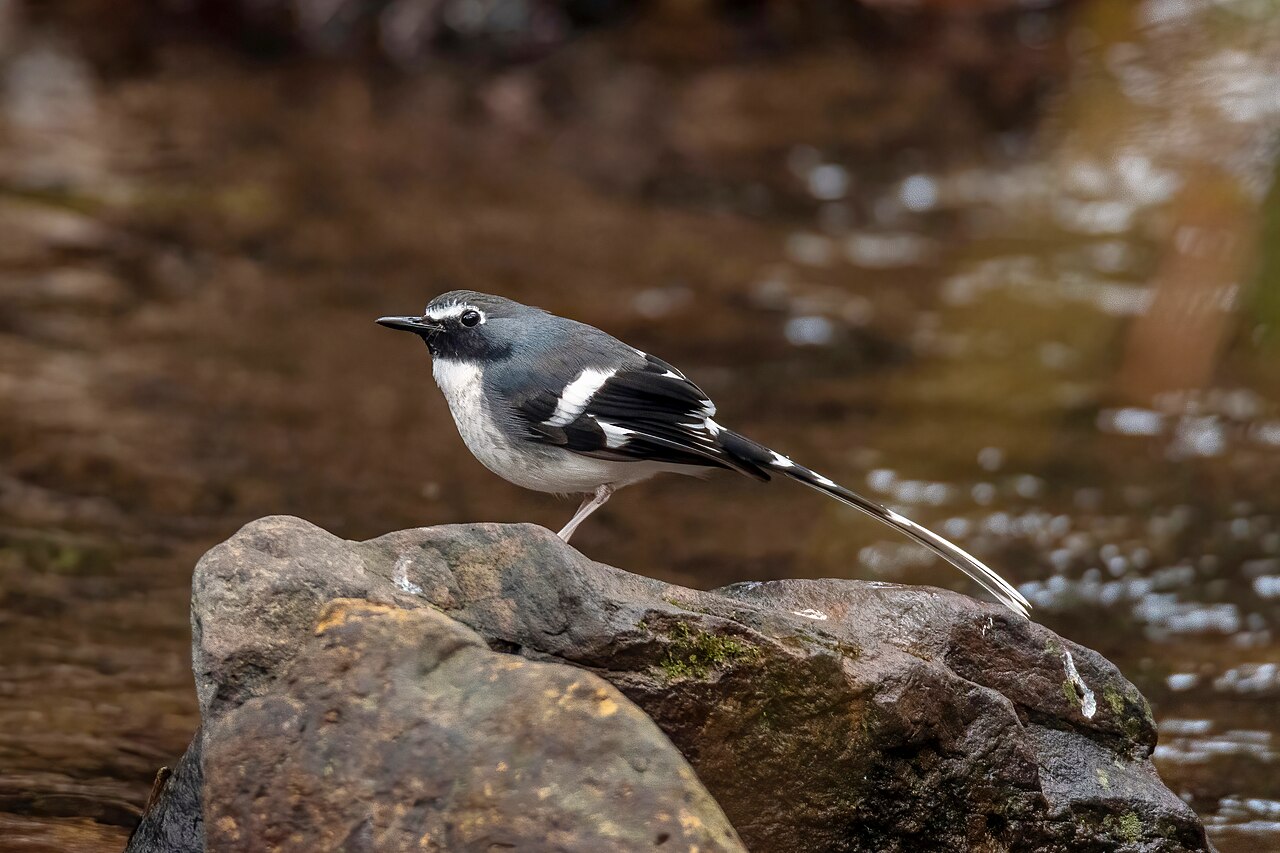
The slaty-backed forest falcon is a species of bird of prey in subfamily Herpetotherinae of family Falconidae, the falcons, and caracaras. It is found in Costa Rica, Panama, and every mainland South American country except Argentina, Chile, Paraguay, and Uruguay.
Region
Central America and northern South America
Typical Environment
Occurs from Costa Rica and Panama through much of the Amazon Basin and adjacent lowlands, absent from the southern cone. It favors extensive primary lowland rainforest, including terra firme, várzea, and swamp forests. The species also uses tall secondary forest and forest edges and may hunt along rivers and narrow clearings. It tends to remain within interior forest but can approach edges where cover is dense.
Altitude Range
Sea level to 1500 m
Climate Zone
Tropical
Ease of Keeping
Beginner friendly: 1/5
A secretive raptor of deep, humid forests, the slaty-backed forest falcon is most often detected by its far-carrying, rhythmic calls at dawn and dusk. It hunts by stealth from shaded perches, launching sudden bursts to seize prey on the forest floor or understory. Like other forest falcons, it has relatively short, rounded wings and a long tail that aid agile flight through dense vegetation.


A slaty-backed forest falcon in Costa Rica.

Temperament
solitary and secretive
Flight Pattern
short rapid wingbeats with agile, low glides through forest
Social Behavior
Usually solitary outside the breeding season, pairing up to defend a territory when nesting. Nests are placed in large tree cavities or occasionally on old stick platforms, with a small clutch typically of 1–2 eggs. Both sexes vocalize to advertise territory, most often at dawn and dusk.
Migratory Pattern
Resident
Song Description
Gives a series of resonant, accelerating notes that can carry far through dense forest, often described as kek-kek-kek-kek. Also utters harsh cackles and whistles during territorial exchanges and at roost or nest sites.
Plumage
Upperparts are uniform dark slaty-gray with a long, banded tail; underparts pale with fine dusky barring that increases toward the belly and flanks. Throat typically paler, contrasting with the darker head and back. Feathers appear sleek and close-fitting, suited to quiet movement through foliage.
Diet
An opportunistic predator taking small birds, rodents, bats, lizards, snakes, frogs, and large insects. It often hunts from a shaded perch, dropping to the ground or dashing through understory vegetation to ambush prey. It may raid nests and occasionally follows army-ant swarms or mixed-species flocks to snatch flushed prey.
Preferred Environment
Feeds within shaded interior forest, along dense edges, and near streams and narrow gaps where cover is close. Uses midstory perches that overlook open patches on the forest floor.