

The Siberian accentor is a small passerine bird that breeds in northern Russia from the Ural Mountains eastwards across Siberia. It is migratory, wintering in Korea and eastern China, with rare occurrences in western Europe and northwestern North America. Its typical breeding habitat is subarctic deciduous forests and open coniferous woodland, often close to water, although it also occurs in mountains and spruce taiga. It inhabits bushes and shrubs in winter, frequently near streams, but may also be found in dry grassland and woods.
Region
Northern Asia and East Asia
Typical Environment
Breeds from the Ural Mountains east across Siberia in subarctic deciduous forest, willow and alder scrub, and open coniferous woodland. It favors damp thickets and forest edges, often near streams, bogs, and clearings. In winter it moves to lower elevations and milder areas of Korea and eastern China, frequenting bushes, hedgerows, and wooded parks. It is a rare vagrant to western Europe and northwestern North America.
Altitude Range
0–2000 m
Climate Zone
Continental
Ease of Keeping
Beginner friendly: 1/5
This small accentor breeds across northern Russia and winters mainly in Korea and eastern China, with occasional vagrants reaching western Europe and northwestern North America. It is a shy, ground-foraging bird that keeps to dense shrubs and willow thickets near water. Its bold head pattern helps separate it from the plainer Dunnock, a close relative.


From John Gould's Birds of Asia, 1850–1883

Subarctic woodlands near Lake Baikal

A bird from the October 2016 influx at Easington, East Riding of Yorkshire

Wind map for Eurasia, 1–10 October 2016

Fires and smoke in Siberia may have forced migrating birds westwards. NASA image for July 22, 2016.

Egg, Muséum de Toulouse
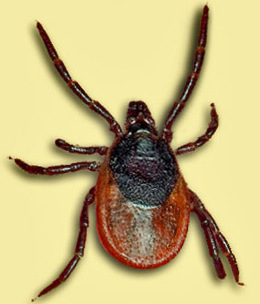
The taiga tick is a parasite of the Siberian accentor
Temperament
secretive and skulking
Flight Pattern
short rapid wingbeats, usually low over vegetation
Social Behavior
Typically forages singly or in pairs, but may join small mixed flocks in winter. During breeding it forms pairs and nests low in dense shrubs or young conifers. Both parents share incubation and feeding duties.
Migratory Pattern
Seasonal migrant
Song Description
A soft, thin warble with high, tinkling phrases delivered from low perches in shrubs. Calls are sharp, sibilant tseep notes given from cover.
Plumage
Brown, streaked upperparts with buff-washed underparts and fine streaking on the breast; distinctive, crisply patterned head.
Diet
Feeds mainly on small invertebrates such as insects, spiders, and larvae during the breeding season. In autumn and winter it adds seeds and small berries to its diet. It gleans from the ground and low vegetation, often flicking leaves to uncover prey. Foraging is quiet and methodical, with short dashes between patches of cover.
Preferred Environment
Dense shrubbery, willow and alder thickets, forest edges, and riparian scrub. In winter it also uses hedgerows, parks, and lightly wooded farmland with abundant undergrowth.


