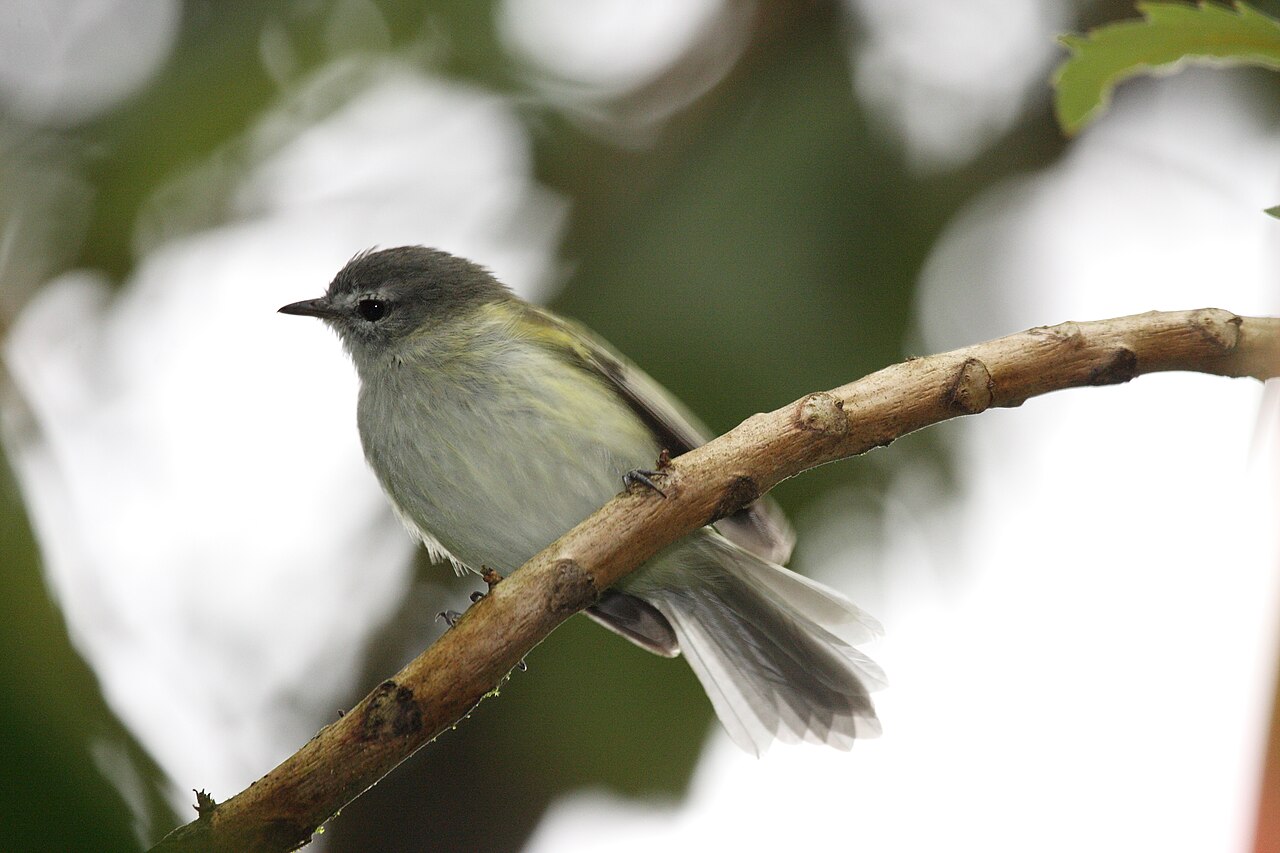
Sclater's lark is a species of lark in the family Alaudidae. It is found in Namibia and South Africa. Its natural habitat is subtropical or tropical dry shrubland. It is threatened by habitat loss.
Region
Southwestern Africa
Typical Environment
Occurs patchily in southern Namibia and the Northern Cape of South Africa, especially within the Succulent Karoo and Nama Karoo biomes. It favors very open, sparsely vegetated stony or gravel plains with scattered dwarf shrubs. The species avoids dense vegetation and prefers areas with ample bare ground for ground foraging. Breeding and local presence can shift in response to irregular rainfall. Habitat loss and overgrazing reduce suitable foraging and nesting sites.
Altitude Range
Sea level to 1200 m
Climate Zone
Arid
Ease of Keeping
Beginner friendly: 1/5
Sclater's lark is a small, sandy-brown lark of the arid Karoo and Namib fringes, often seen running over open gravel plains with sparse shrubs. It breeds opportunistically after good rains when seeds and insects become abundant. The species can be difficult to detect away from the breeding season, relying on cryptic plumage and crouching behavior to avoid detection.


Temperament
solitary and territorial
Flight Pattern
low, direct flight with short rapid wingbeats
Social Behavior
Usually encountered singly or in pairs; small groups may form where resources concentrate after rain. Nests are shallow ground cups placed among small shrubs or grass tufts. Likely monogamous, with breeding triggered by episodic rainfall events. Adults rely on camouflage and distraction displays to protect nests.
Migratory Pattern
Resident
Song Description
Song is a soft, tinkling series of notes delivered from a low perch or during a brief, fluttering display flight. Calls include dry chips and trills used to maintain contact and signal alarm. Vocalizations are unobtrusive and can be easily missed in windy conditions.
Plumage
Sandy-brown upperparts with fine darker streaking and pale, largely unmarked underparts. The plumage is cryptic and matches gravelly plains, with a slightly buff wash on the flanks and breast. Tail shows pale outer feathers noticeable in flight.
Diet
Feeds on small seeds of grasses and forbs, supplemented by insects such as beetles, termites, and ants. Diet composition shifts seasonally, with more arthropods taken when breeding and after rains. Forages by walking and picking items from the ground, often pausing to scan for movement. It may dig lightly in soft soil to uncover seeds or invertebrates.
Preferred Environment
Open, sparsely vegetated gravel or stony plains with ample bare ground. Often forages near low shrubs that provide cover and shade during heat. Resource availability improves after rain, when it expands local foraging areas.