

The Mascarene grey parakeet, Mauritius grey parrot, or Thirioux's grey parrot, is an extinct species of parrot which was endemic to the Mascarene Islands of Mauritius and Réunion in the western Indian Ocean. It has been classified as a member of the tribe Psittaculini, along with other parrots from the Islands.
Region
Mascarene Islands
Typical Environment
This species inhabited native forest habitats on Mauritius and probably Réunion, including coastal woodland and lowland to mid‑elevation evergreen forest. It would have relied on mature trees for nesting cavities and foraging. Historical habitat conversion for agriculture and logging removed much of its preferred forest. The bird likely moved between forest patches to track seasonal fruiting. As an island parakeet, it probably tolerated forest edges and secondary growth but depended on native trees for key resources.
Altitude Range
Sea level to 1000 m
Climate Zone
Tropical
Ease of Keeping
Beginner friendly: 1/5
Also called Mauritius grey parrot or Thirioux's grey parrot, it is known from historical accounts and subfossil remains from the Mascarene Islands. It likely went extinct due to habitat loss, hunting, and predation/competition from introduced species after human colonization. It belonged to the Psittaculini, the same group as several Indian Ocean parrots, and showed island-adapted traits. Much of its appearance is inferred, but contemporary descriptions emphasize a predominantly grey bird.


1648 engraving depicting the killing of parrots (bottom, possibly this species) and other animals on Mauritius in 1602
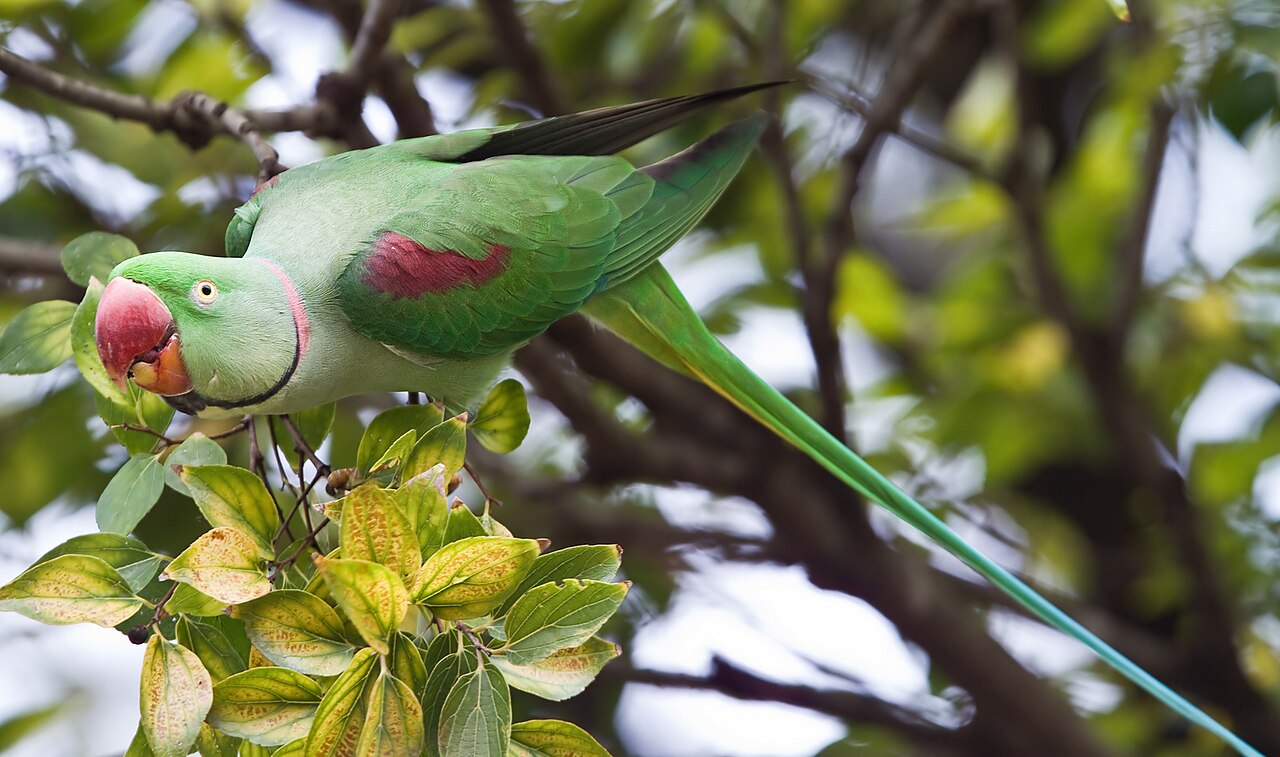
The skeletally similar Alexandrine parakeet

Restoration showing a red beak and black collar, as seen in relatives

Depiction of the Dutch on Mauritius in 1598, with various parrots above

Subfossils of this parrot have been found in caves on Le Pouce mountain

Depiction of the Dutch hunting parrots on Mauritius in 1598

The echo parakeet was sympatric with this species on both Mauritius and Réunion
Temperament
social and active
Flight Pattern
short rapid wingbeats
Social Behavior
Like other Psittacula parakeets, it likely formed small flocks outside the breeding season and paired during nesting. Nesting probably occurred in tree cavities in large native trees. Pairs would have defended nest sites but foraged more loosely in groups. Courtship likely included mutual preening and food sharing.
Migratory Pattern
Resident
Song Description
Presumed to have carried loud, harsh squawks typical of island parakeets, audible over forest canopies. Calls likely included contact notes for flock cohesion and sharper alarm notes when disturbed.
Plumage
Predominantly grey plumage with subtle darker and lighter tones; typical streamlined parakeet silhouette with long tail.
Diet
Primarily a consumer of fruits, seeds, and possibly flower buds from native forest trees. It likely exploited seasonal fruiting peaks and may have cracked hard seeds with its robust bill. As with many island parrots, it may also have taken nectar or soft shoots opportunistically. Foraging probably involved both canopy and subcanopy gleaning.
Preferred Environment
Feeds in mature and secondary forest, especially where large fruiting trees are present. Also likely visited forest edges and clearings to exploit pioneer species and cultivated fruit trees near settlements.


