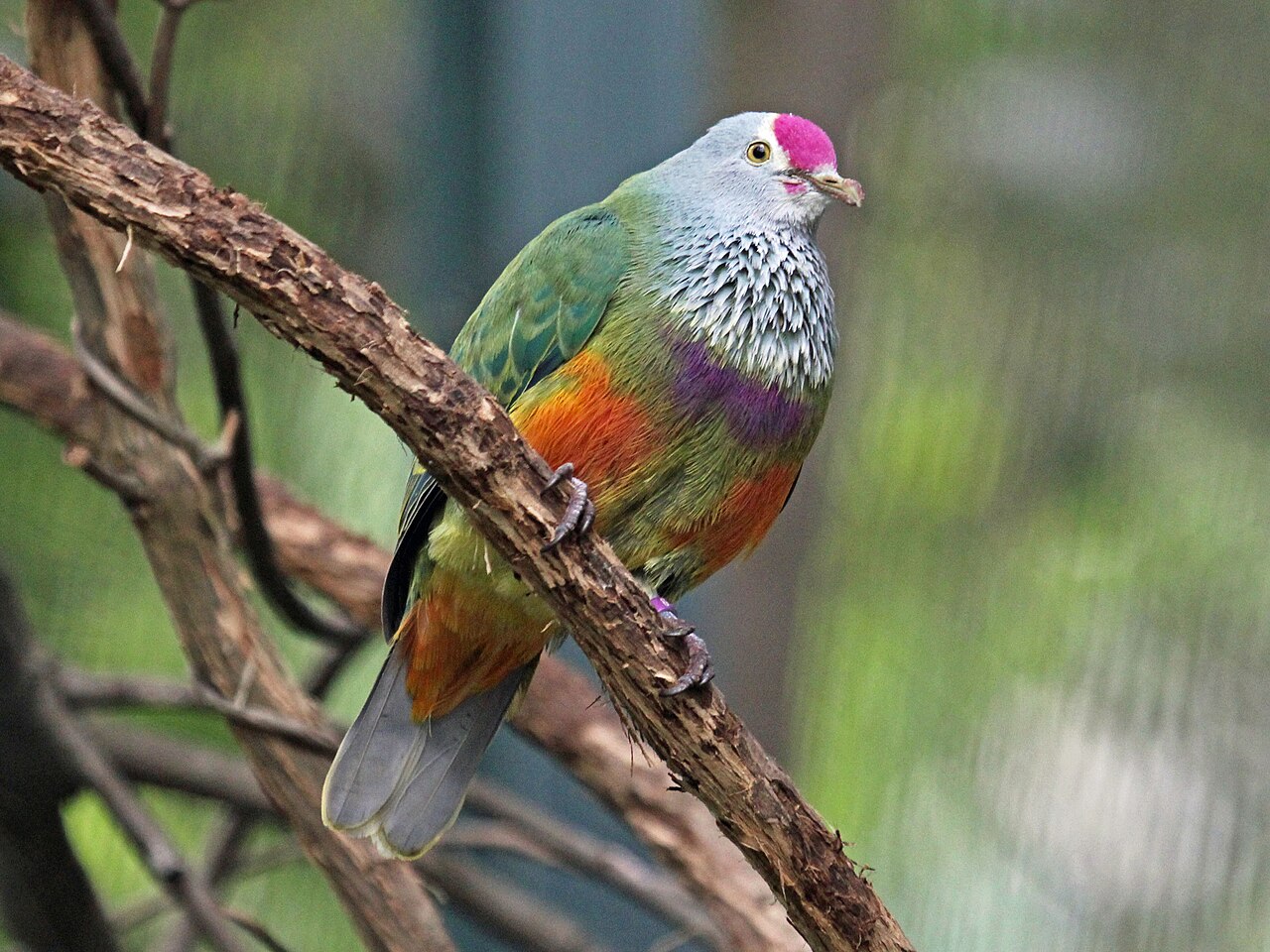
Margaret's batis or Boulton's batis, is a species of small passerine bird in the wattle-eyes family, Platysteiridae. It is found in south western central Africa.
Region
Southwestern Central Africa
Typical Environment
Found patchily in dry to semi-humid woodlands, including miombo, riverine thickets, and secondary growth. It favors ecotones, woodland edges, and lightly disturbed areas with scattered shrubs and small trees. Often occurs near watercourses with dense understory. Generally local but can be fairly common where suitable habitat persists.
Altitude Range
200–1600 m
Climate Zone
Tropical
Ease of Keeping
Beginner friendly: 1/5
Also known as Boulton's batis, this small flycatcher-like passerine belongs to the Platysteiridae (wattle-eyes and batises). It typically inhabits dry woodlands and thickets of southwestern central Africa, often in miombo. Males show a crisp black-and-white pattern with a bold breast band, while females have a warm rufous tinge on the breast band. It hunts by short sallies from perches, snapping up insects with a slightly hooked bill.

Temperament
solitary and territorial
Flight Pattern
short rapid wingbeats with quick sallies
Social Behavior
Usually seen singly or in pairs that maintain small territories year-round. Pairs engage in cooperative nest defense and close duet-like calling. The nest is a small, neat cup placed low to mid-canopy, and both parents tend the young.
Migratory Pattern
Resident
Song Description
A series of high, clear whistles, often repeated in a steady rhythm. Calls include sharp chips and rattles given during foraging or pair contact. The song carries well through woodland and is used in territory advertisement.
Plumage
Compact, crisp patterning; male with grey upperparts, white underparts, and a bold black breast band and mask; female similar but with a rufous to chestnut breast band and softer contrasts. Both sexes show a conspicuous white wing panel when perched. Tail is dark with white edges and the throat is clean white.
Diet
Primarily small insects such as beetles, flies, moths, and caterpillars; also takes spiders and other arthropods. Forages by sally-gleaning from exposed perches, snatching prey in short flights or picking from foliage and bark. Occasionally hovers briefly to glean from leaves.
Preferred Environment
Feeds in the understory to mid-canopy of dry woodland, thickets, and along forest edges. Often selects semi-open perches that provide good vantage points for short sallies.