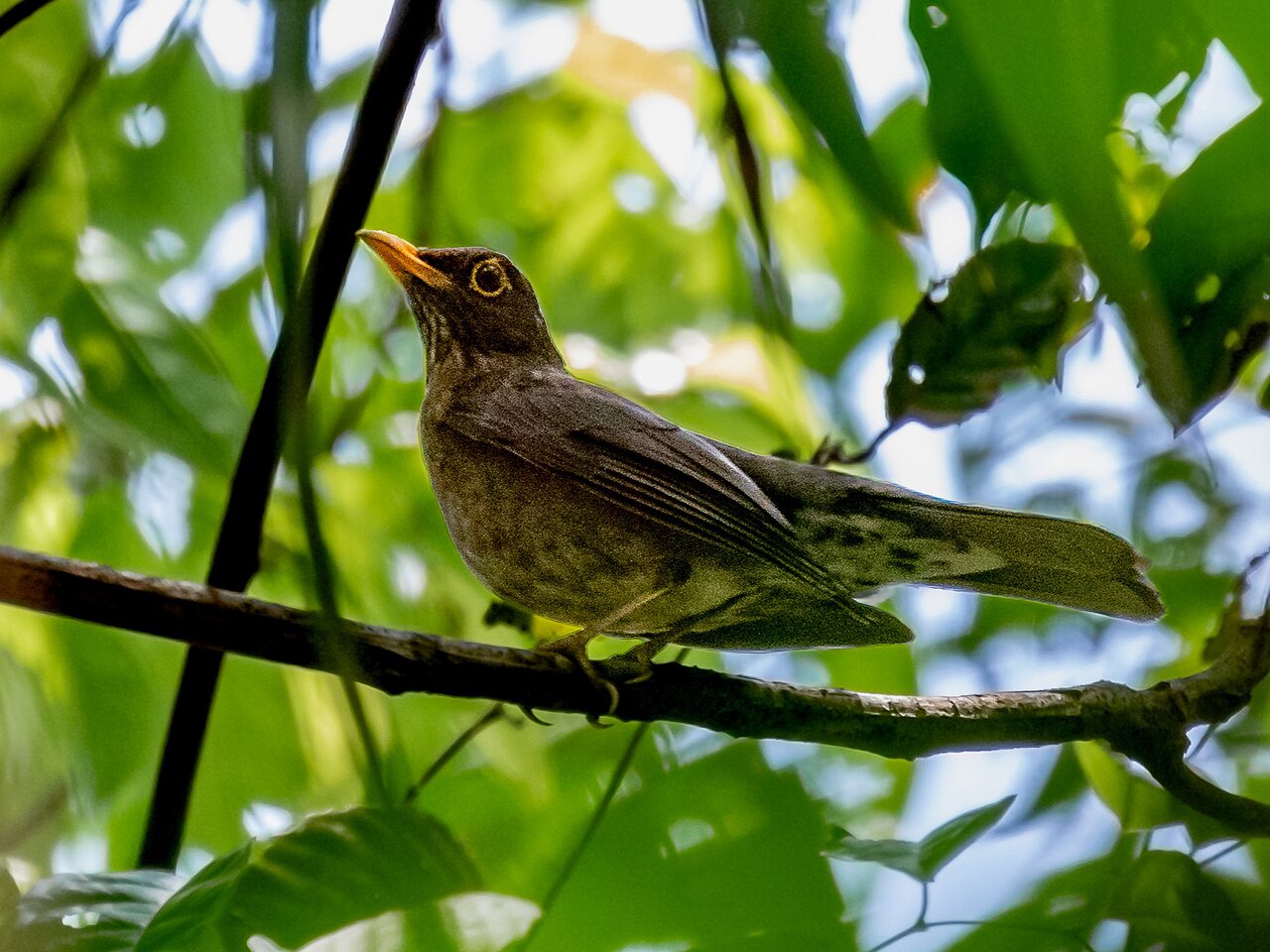
Lawes's parotia is a medium-sized passerine of the bird-of-paradise family, Paradisaeidae. It is distributed and endemic to mountain forests of southeast and eastern Papua New Guinea. Occasionally, the eastern parotia is considered a subspecies of P. lawesii. The species is similar to the western parotia.
Region
New Guinea Highlands
Typical Environment
Occupies mid-montane to upper-montane forests in southeastern and eastern Papua New Guinea, including primary mossy forest and mature secondary growth. Often found near fruiting trees in the mid-story and canopy, and along forest edges and ridgelines. Males establish ground display courts on flat patches of forest floor within dense understory. The species tolerates light disturbance but relies on intact forest for breeding displays and foraging.
Altitude Range
1000–2300 m
Climate Zone
Highland
Ease of Keeping
Beginner friendly: 1/5
Males perform an elaborate 'ballerina' courtship dance on meticulously cleaned display courts, fanning their white flank plumes into a skirt and flashing an iridescent breast shield. They also sport three pairs of wire-like head plumes with spatulate tips. The species is named after missionary William George Lawes. Females select mates and alone handle nest building and chick rearing.

Temperament
solitary and territorial
Flight Pattern
short rapid wingbeats through dense forest
Social Behavior
Males are polygynous and maintain traditional ground leks, clearing leaves and debris to create display courts. Courtship involves intricate dancing, feather fanning, and rapid posture changes to showcase iridescence. Females select mates and solely construct a cup nest and care for the young.
Migratory Pattern
Resident
Song Description
Vocalizations include sharp notes, churring calls, and thin whistles, often given near display courts. Males also produce mechanical sounds—wing rustles and bill snaps—during their dances.
Plumage
Male with velvety black body, iridescent bronze-green breast shield, and long white flank plumes that form a skirt during display; three pairs of wiry head plumes with spatulate tips. Female is brown with heavy barring and streaking, giving a cryptic mottled appearance.
Diet
Feeds primarily on a variety of fruits, especially figs and other drupes, supplemented by insects and other small invertebrates. Will glean arthropods from leaves and branches and occasionally hawk low-flying insects. Seasonal shifts in fruit availability influence movements within home ranges.
Preferred Environment
Forages in the mid-story and canopy of montane forest, frequently visiting fruiting trees along ridges and edges. Occasionally descends to the understory or forest floor near display courts.