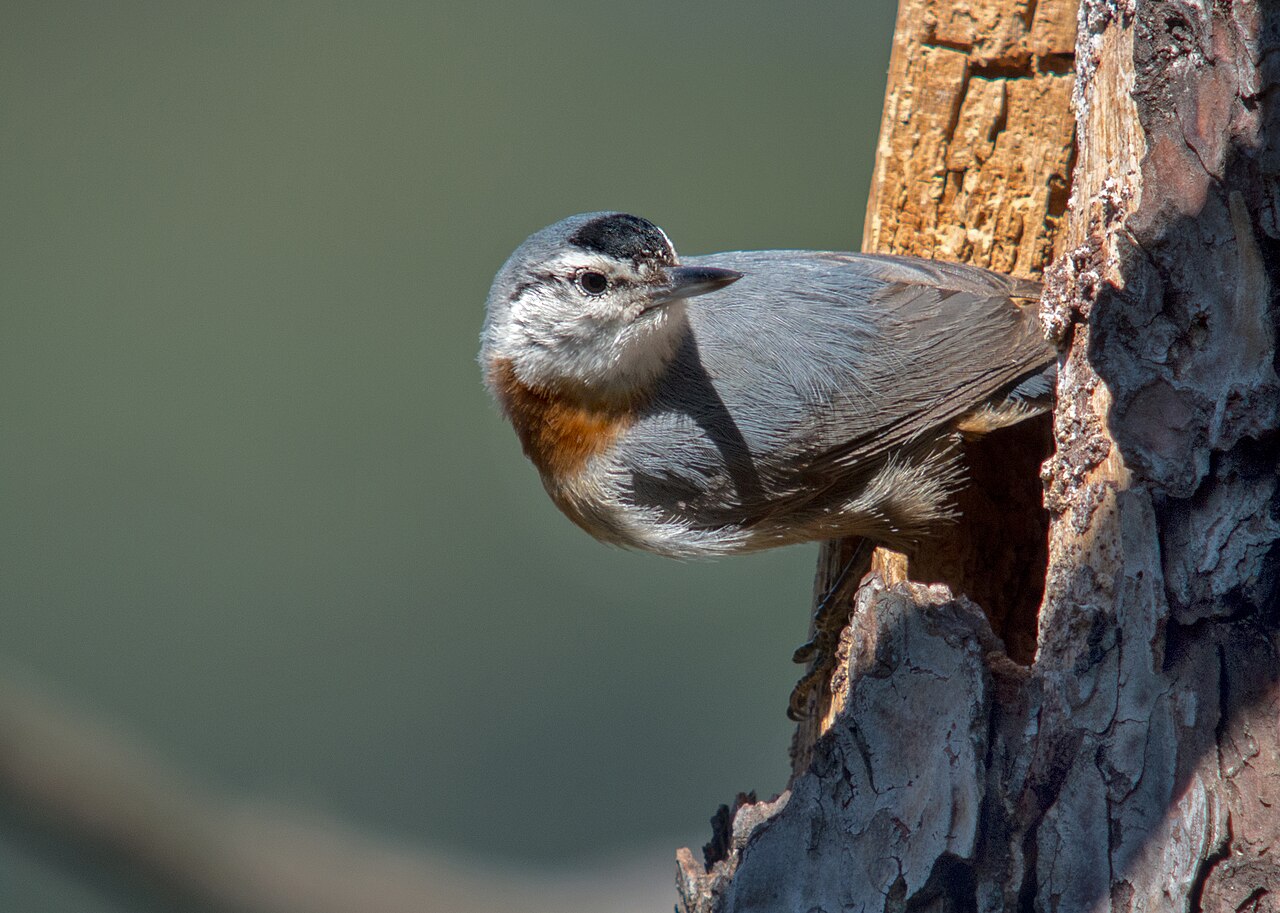
Kretschmer's longbill is a species of Old World warbler in the family Macrosphenidae. It is found in Kenya, Mozambique, and Tanzania. Its natural habitats are subtropical or tropical moist lowland forests and subtropical or tropical moist montane forests.
Region
East Africa
Typical Environment
Occurs in southeastern Kenya, northeastern and eastern Tanzania (including Eastern Arc ranges), and north-central to coastal Mozambique. It inhabits subtropical and tropical moist lowland forest as well as montane forest and forest edge. Birds keep close to dense understory, vine tangles, and secondary growth, and they may use riverine and coastal forests where cover is continuous. It avoids open habitats but can persist in selectively logged or regenerating forest if undergrowth remains intact.
Altitude Range
Sea level to 2000 m
Climate Zone
Tropical
Ease of Keeping
Beginner friendly: 1/5
Kretschmer's longbill is a shy understory warbler of East African forests, named for its distinctly long, slightly downcurved bill. It often stays low in dense thickets where it gleans insects from leaves and twigs, and it may join mixed-species foraging flocks. Despite ongoing habitat pressure in parts of its range, it remains locally fairly common in suitable forest. Its subtle plumage makes its clear, whistled song the best clue to its presence.


Temperament
skulking and wary
Flight Pattern
short rapid wingbeats with low, darting flights between cover
Social Behavior
Usually found singly, in pairs, or small family groups within dense understory. Frequently joins mixed-species flocks moving through forest mid- and understory. Nests are placed low in shrubs or vine tangles, with both parents participating in care.
Migratory Pattern
Resident
Song Description
Song is a series of clear, thin whistles and short trills delivered from concealed perches. Calls include soft chips and high, sibilant notes used to keep contact in dense cover.
Plumage
Plain olive-brown upperparts with paler, buffy underparts and a slightly greyer wash on the face and throat. Subtle mottling on the throat and a faint pale supercilium are typical. Feathers are soft and sleek, aiding quiet movement through dense foliage.
Diet
Primarily hunts small arthropods such as insects, spiders, and caterpillars gleaned from leaves, twigs, and vine tangles. It probes into curled leaves and bark crevices with its long bill. Occasional small berries may be taken, especially when insect prey is less abundant.
Preferred Environment
Feeds in shaded understory and lower midstory of moist forests, along forest edges, streamside thickets, and secondary growth. Often follows mixed flocks, exploiting disturbed foliage and flushed insects.