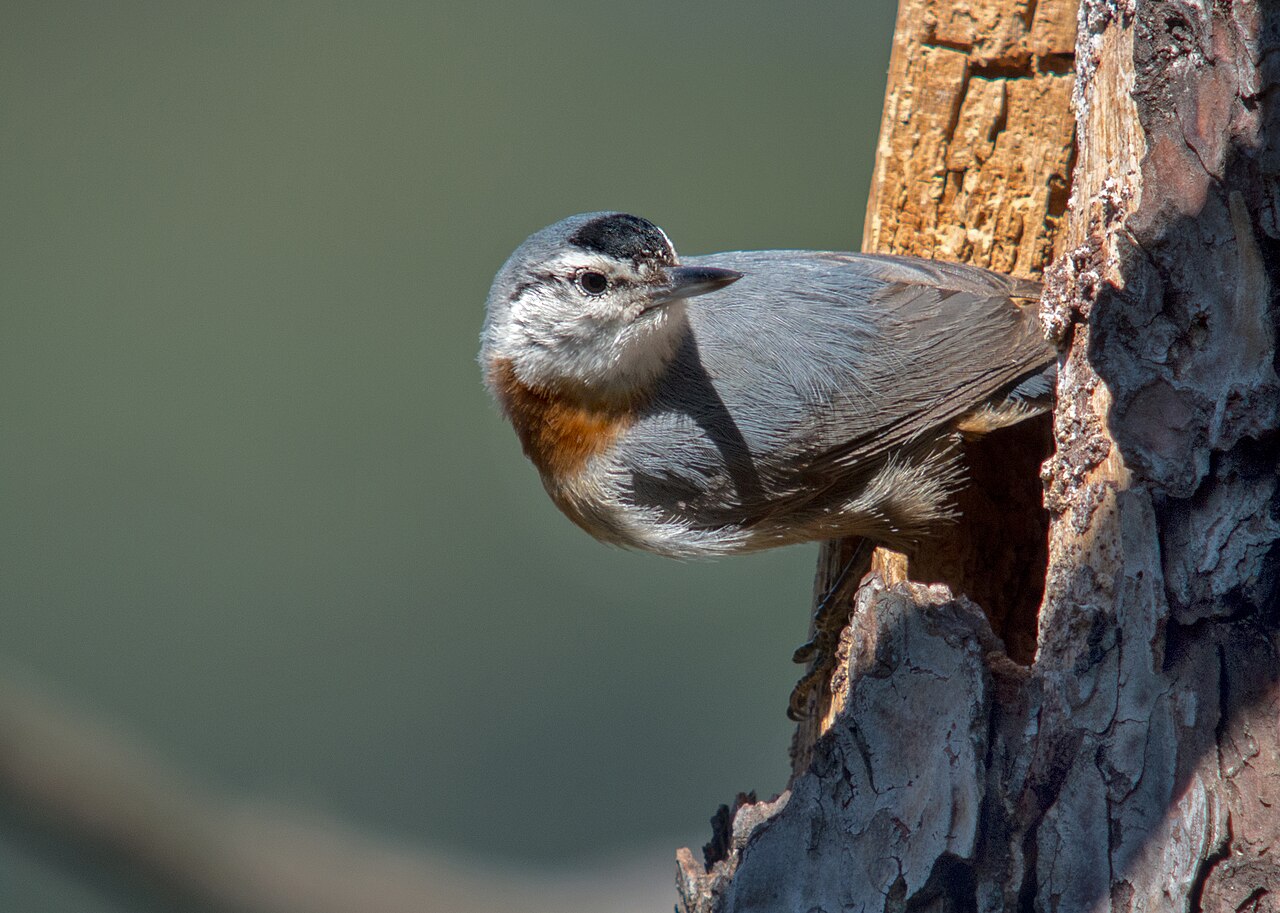
Kozlov's accentor or the Mongolian accentor, is a species of bird in the family Prunellidae. It is found in Mongolia and northern China.
Region
Mongolian Plateau and northern China
Typical Environment
Occurs in central and western Mongolia and spills into northern China, including parts of Inner Mongolia and adjacent provinces. It inhabits rocky slopes, open montane steppe, and scrub dominated by juniper, Caragana, and other low shrubs. During the breeding season it keeps to broken terrain with scattered bushes for cover. In winter it may use more open steppe and shrubby valley bottoms. Human presence is usually avoided, though it will forage near remote settlements.
Altitude Range
1000–3200 m
Climate Zone
Highland
Ease of Keeping
Beginner friendly: 1/5
Also called the Mongolian accentor, this small passerine of the Prunellidae family is named after the Russian explorer Pyotr Kozlov. It favors scrubby, rocky hillsides and montane steppe in Mongolia and adjacent northern China. Mostly sedentary, it may move to slightly lower elevations in winter. Its unobtrusive behavior and earth-toned plumage make it easy to overlook.

Temperament
shy and skulking
Flight Pattern
short rapid wingbeats with low, undulating flights between shrubs
Social Behavior
Breeds in pairs that defend small territories in scrubby, rocky habitats. The nest is placed low in dense shrubs or ground vegetation. Outside the breeding season, small loose groups may form to forage, especially in sheltered valleys. Clutch size is typically 3–5 eggs.
Migratory Pattern
Partial migrant
Song Description
A thin, high, tinkling warble delivered from a shrub or rock outcrop. Calls include sharp tseep notes and soft ticking contact calls.
Plumage
Subtle, finely streaked brown upperparts with a greyer head and nape; underparts buffy with light streaking on the breast and warmer rufous flanks.
Diet
Feeds chiefly on small invertebrates such as beetles, ants, caterpillars, and spiders during the breeding season. In autumn and winter it adds seeds and small berries to its diet. It picks prey from the ground and low shrubs, often probing leaf litter and grass tussocks. Opportunistic feeding allows it to cope with the highly seasonal steppe environment.
Preferred Environment
Forages on rocky ground, at shrub bases, and among low steppe vegetation. Uses edges of scrub patches and sheltered gullies where insects and seeds accumulate. In winter it frequents snow-free microhabitats exposed by wind.