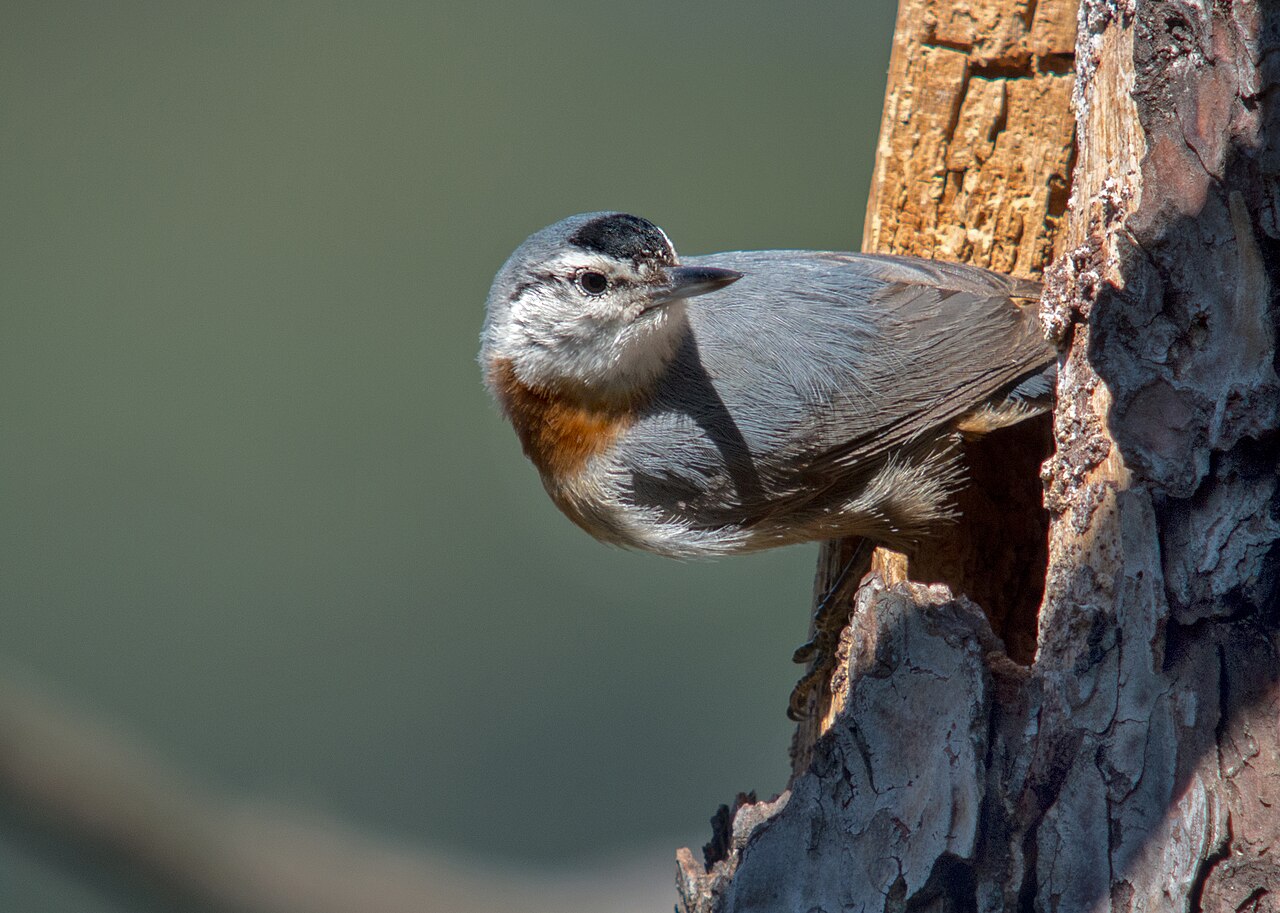
The Kosrae white-eye is a species of bird in the family Zosteropidae. It is endemic to Kosrae Island. This species and the grey-brown white-eye were formerly considered conspecific.
Region
Micronesia (Western Pacific)
Typical Environment
Restricted to Kosrae, where it occupies a range of wooded habitats from coastal areas to interior hills. It uses native lowland and montane rainforest, forest edges, and secondary growth. The species also frequents gardens, plantations, and flowering shrubs around villages. It adapts well to moderately disturbed habitats, provided there is dense foliage and fruiting or flowering plants.
Altitude Range
Sea level to 600 m
Climate Zone
Tropical
Ease of Keeping
Beginner friendly: 1/5
Endemic to Kosrae Island in the Federated States of Micronesia, the Kosrae white-eye is a small, active member of the white-eye family with a conspicuous white eye-ring. It often travels in small, chattering groups outside the breeding season. By taking nectar and small fruits, it likely contributes to local pollination and seed dispersal.

Temperament
social and active
Flight Pattern
short rapid wingbeats
Social Behavior
Outside the breeding season it moves in small, loose flocks that forage busily through the canopy and midstory. In the breeding season, pairs become more territorial and build a small cup nest in shrubs or trees. Clutches are typically two to three eggs, and both parents participate in care.
Migratory Pattern
Resident
Song Description
A series of thin, high-pitched warbles and tsee notes delivered in short phrases. Contact calls are sharp and sibilant, keeping flocks coordinated as they move through foliage.
Plumage
Soft grey-brown to olive-brown upperparts with paler greyish underparts; some birds show a faint yellow wash on the throat and undertail. Feathers are smooth and compact, suited for foliage gleaning. The species shows a clean, conspicuous white orbital ring.
Diet
Primarily gleans small insects, larvae, and spiders from leaves and twigs. It also takes nectar from blossoms and consumes soft fruits and berries when available. Foraging is rapid and methodical, occasionally involving short sallies to snatch prey. By visiting flowers and fruits, it likely aids pollination and seed dispersal on the island.
Preferred Environment
Feeds in the canopy and midstory of rainforest, forest margins, and secondary growth. It is also common around flowering ornamental trees, village gardens, and fruiting shrubs.