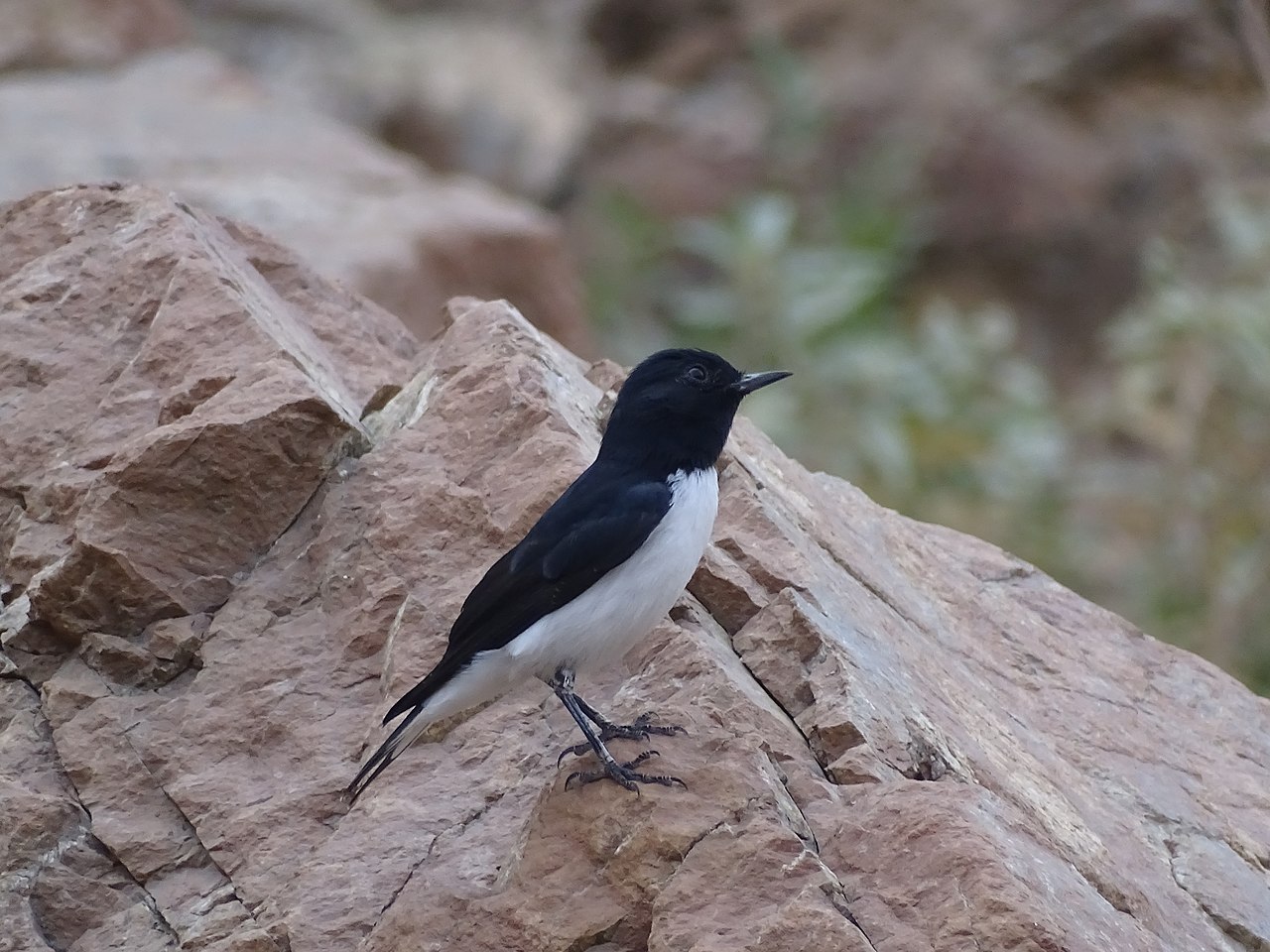
Hume's short-toed lark is a species of lark in the family Alaudidae. It is found in south-central Asia from Iran and Kazakhstan to China.
Region
Central Asia to western China
Typical Environment
Hume's short-toed lark inhabits open steppe, semi-desert, stony plains, and sparsely vegetated agricultural lands. It occurs from northeastern Iran and Turkmenistan across Kazakhstan and adjacent Central Asian countries to western China (notably Xinjiang and Qinghai). In the breeding season it favors dry, open expanses with short grasses or bare ground for nesting and foraging. Some populations move downslope or southward in winter to milder, more open lowland areas. It avoids dense vegetation and favors flat to gently undulating terrain.
Altitude Range
200–4500 m
Climate Zone
Temperate
Ease of Keeping
Beginner friendly: 1/5
Named after the British naturalist Allan Octavian Hume, this lark is a subtle, sandy-toned ground-dweller of open steppe and semi-desert. It can be tricky to separate from other short-toed larks, but its fine, sharply pointed bill and rather plain head pattern help. Outside the breeding season it often forms loose flocks and makes short seasonal movements to milder lowlands.


Temperament
wary and unobtrusive
Flight Pattern
short rapid wingbeats with low, undulating flights; brief song-flights during display
Social Behavior
Typically seen singly or in pairs during the breeding season, nesting on the ground in a shallow scrape lined with grasses. Pairs are territorial while breeding. Outside the breeding season it gathers in small, loose flocks that wander in search of food.
Migratory Pattern
Partial migrant
Song Description
Song is a dry, twittering series of trills and tinkling notes, often delivered from a brief hovering song-flight. Calls include thin tseeps and dry chips, useful for detection over open steppe.
Plumage
Sandy-brown upperparts with fine dark streaking, pale buff underparts with light breast streaks, and a generally plain head pattern.
Diet
Feeds on small seeds of grasses and forbs, supplemented by insects such as beetles, ants, and larvae, especially in the breeding season. It picks food from the ground and low vegetation, using its fine bill to glean among sparse cover. In winter it relies more on seeds and spilt grain where available.
Preferred Environment
Forages on bare or sparsely vegetated ground, field margins, stubble, and stony steppe. Often uses wind-scoured patches and vehicle tracks where seeds and insects are exposed.