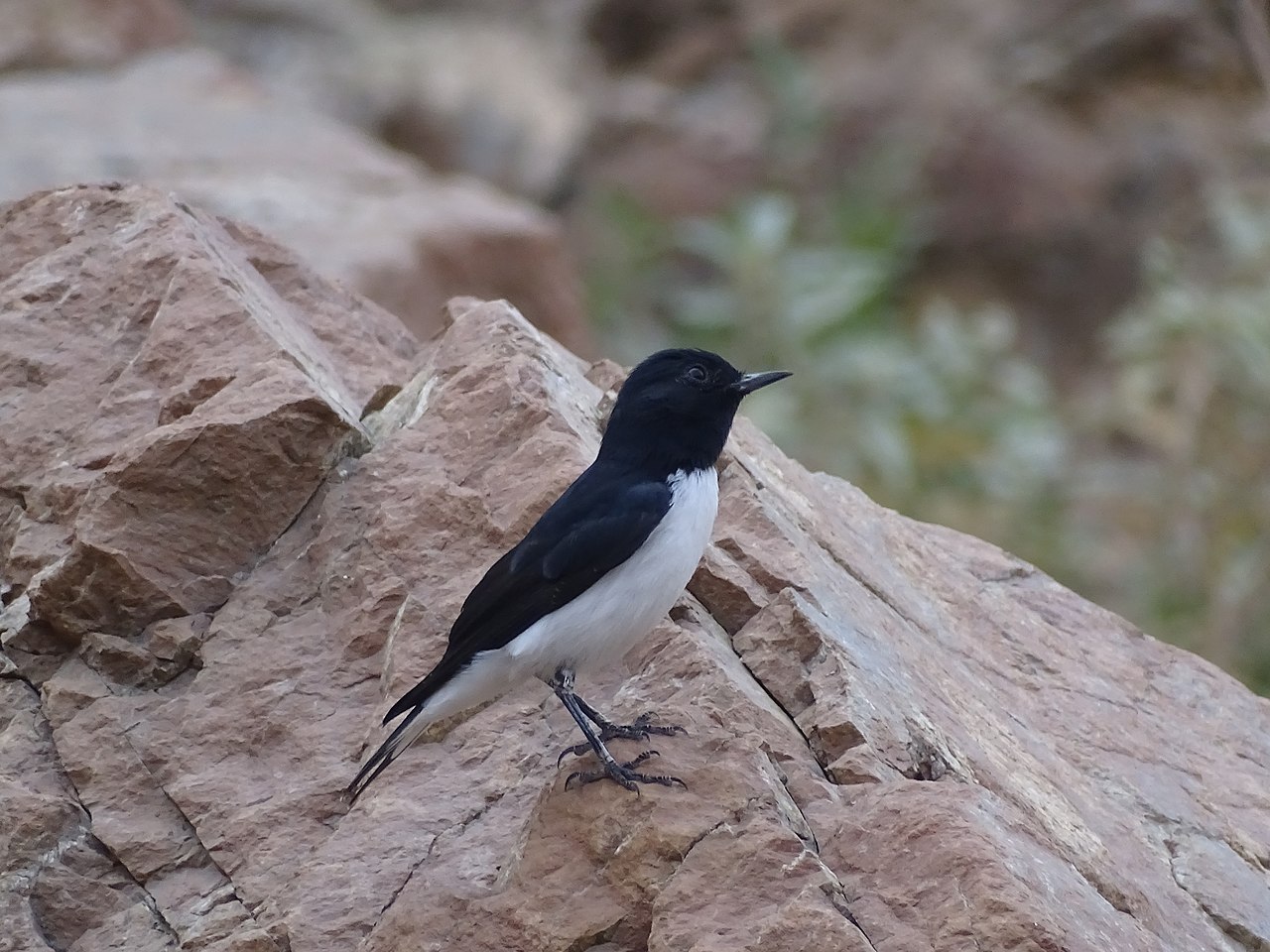
Hume's leaf warbler or Hume's warbler is a small leaf warbler which breeds in the mountains of inner Asia. This warbler is migratory and winters mainly in India.
Region
Inner Asia and Indian Subcontinent
Typical Environment
Breeds in montane coniferous and mixed forests, scrub, and alpine fringes across the Tien Shan, Pamir–Alay, and western Himalayas. During winter it disperses widely through northern and central India, Pakistan, Nepal’s lowlands, and adjacent regions, frequenting woodlands, orchards, parks, and thorn scrub. It favors forest edges, riverine groves, and juniper or birch stands in the breeding range. The species occasionally appears as a vagrant in the Middle East and western Europe. Habitat structure with leafy canopies and abundant insect prey is key throughout the year.
Altitude Range
0–4200 m
Climate Zone
Temperate
Ease of Keeping
Beginner friendly: 1/5
Hume's leaf warbler is a tiny, active foliage-gleaner that breeds in the mountains of Inner Asia and the western Himalayas and winters mainly across the Indian subcontinent. It is best told from similar greenish warblers by its duller plumage and a distinctive, downward-inflected call. The species often joins mixed-species flocks in winter and occurs as a scarce vagrant to western Europe. Its unobtrusive colors contrast with a surprisingly penetrating high-pitched call.


At Biskeri Thatch 11,000 feet (3,400 m) ASL in Kullu district, Himachal Pradesh, India

Foraging in the understory in Kullu district, Himachal Pradesh, India
Temperament
social and active
Flight Pattern
short rapid wingbeats
Social Behavior
Generally solitary or in pairs in the breeding season, becoming more gregarious in winter when it forages in mixed-species flocks. The nest is a domed cup on or near the ground in dense grass or low shrubs. Pairs are monogamous within a season and defend small territories.
Migratory Pattern
Seasonal migrant
Song Description
Song is a series of thin, high-pitched notes and short trills. The call is a distinctive, disyllabic, downward-inflected 'chew-ee' that carries well and aids field identification.
Plumage
Dull olive-brown to grey-olive above with buffish to off-white underparts; a single pale wingbar is usually distinct, with a faint second bar sometimes visible. Narrow buffy supercilium and a darker eye-stripe; fine, pointed bill and dark legs.
Diet
Primarily small insects and other arthropods, including caterpillars, aphids, beetles, and spiders. Forages by gleaning from leaves and twigs and occasionally makes short sallies to catch flying prey. In winter it may take tiny larvae and eggs hidden in foliage and bark crevices.
Preferred Environment
Feeds in leafy canopies, forest edges, orchards, gardens, and scrubby woodland. In breeding areas it often uses conifers and birch/juniper zones; in winter it readily exploits urban parks and cultivated groves.