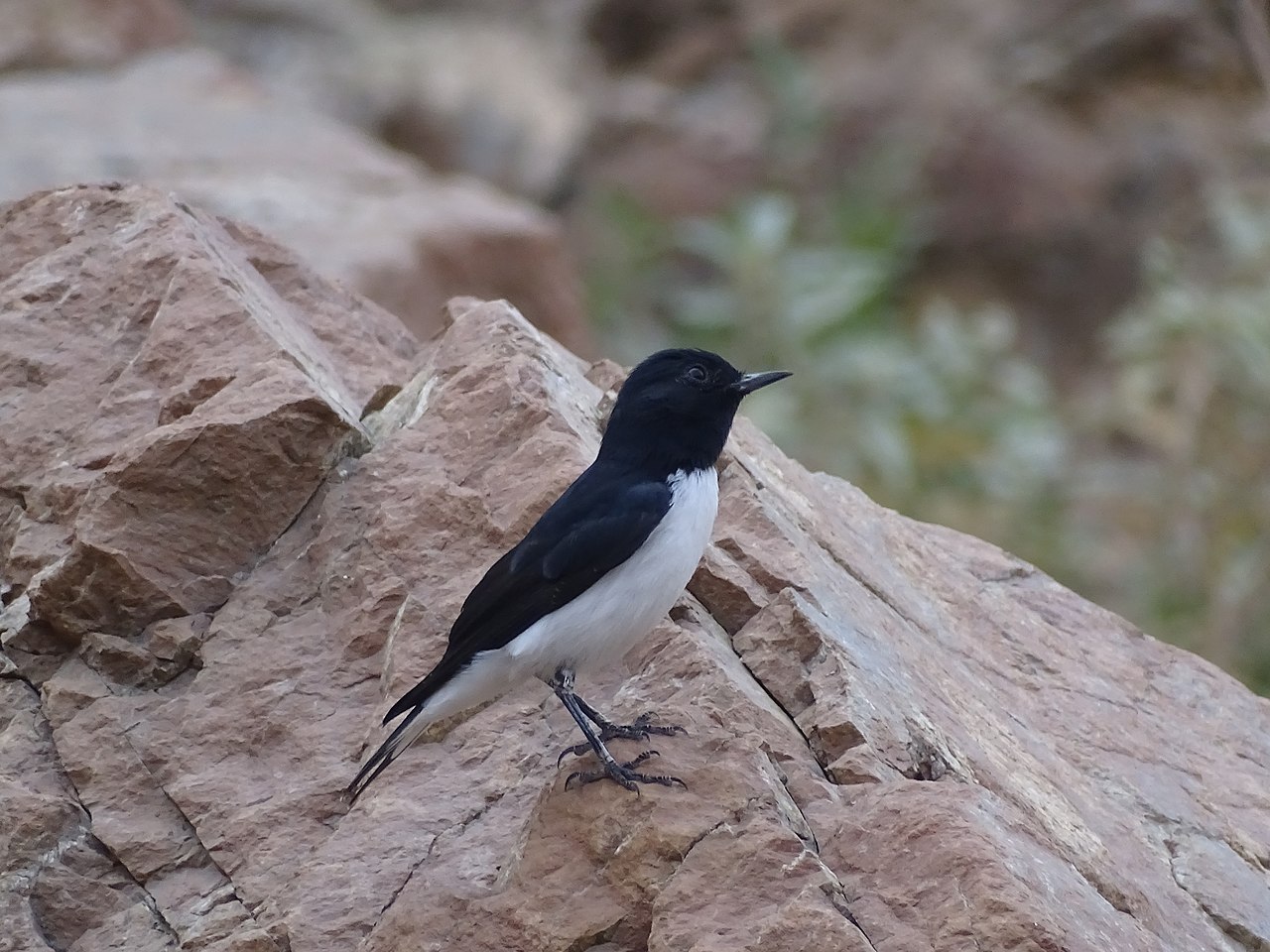
Hume's bush warbler is a species of bush warbler. It was formerly included in the "Old World warbler" assemblage.
Region
Himalayas and adjacent foothills
Typical Environment
Occurs from northeastern Afghanistan and northern Pakistan through the western and central Himalayas into northern India and Nepal. It favors dense understory in montane broadleaf and mixed forests, rhododendron and bamboo thickets, and scrubby gullies. In winter it may descend into foothill scrub, riparian tangles, and overgrown field edges. It keeps close to the ground or within low shrubs, often near water and sheltered slopes.
Altitude Range
600–3600 m
Climate Zone
Highland
Ease of Keeping
Beginner friendly: 1/5
Named after the British naturalist Allan Octavian Hume, Hume's bush warbler is a shy, ground-hugging songbird that keeps to dense cover. It was formerly placed with the 'Old World warblers' but is now in the family Cettiidae. Birders often detect it by its loud, insect-like trills and ticking notes rather than by sight. It frequently cocks and fans its long tail while moving through thickets.


Temperament
skulking and wary
Flight Pattern
short rapid wingbeats, low and direct between patches of cover
Social Behavior
Usually solitary or in pairs, especially during the breeding season. Nests are typically domed or ball-shaped structures placed low in dense vegetation. Territorial males sing persistently from hidden perches. Outside breeding, it may loosely associate with other small insectivores in thick scrub.
Migratory Pattern
Partial migrant
Song Description
Song is a loud, rapid series of metallic trills and ticking notes delivered from inside cover. Calls include sharp tacks and dry churrs that carry well in mountain scrub.
Plumage
Plain brown to olive-brown above with warmer brown tones on the tail and wings; underparts buffy-gray with a paler throat and belly. Feathers are soft and loose-textured, giving a somewhat fluffy look in dense cover.
Diet
Primarily small insects and other arthropods, including beetles, caterpillars, spiders, and leafhoppers. It gleans prey from leaves, twigs, and the ground, often flicking its tail as it forages. Short sallies are used to snatch moving prey in low vegetation. Occasionally takes small berries when insect prey is scarce.
Preferred Environment
Feeds in dense thickets, bamboo, rhododendron, and riparian scrub, usually within the lowest few meters of vegetation. Frequently forages along shaded streambanks, gullies, and forest edges where cover is continuous.