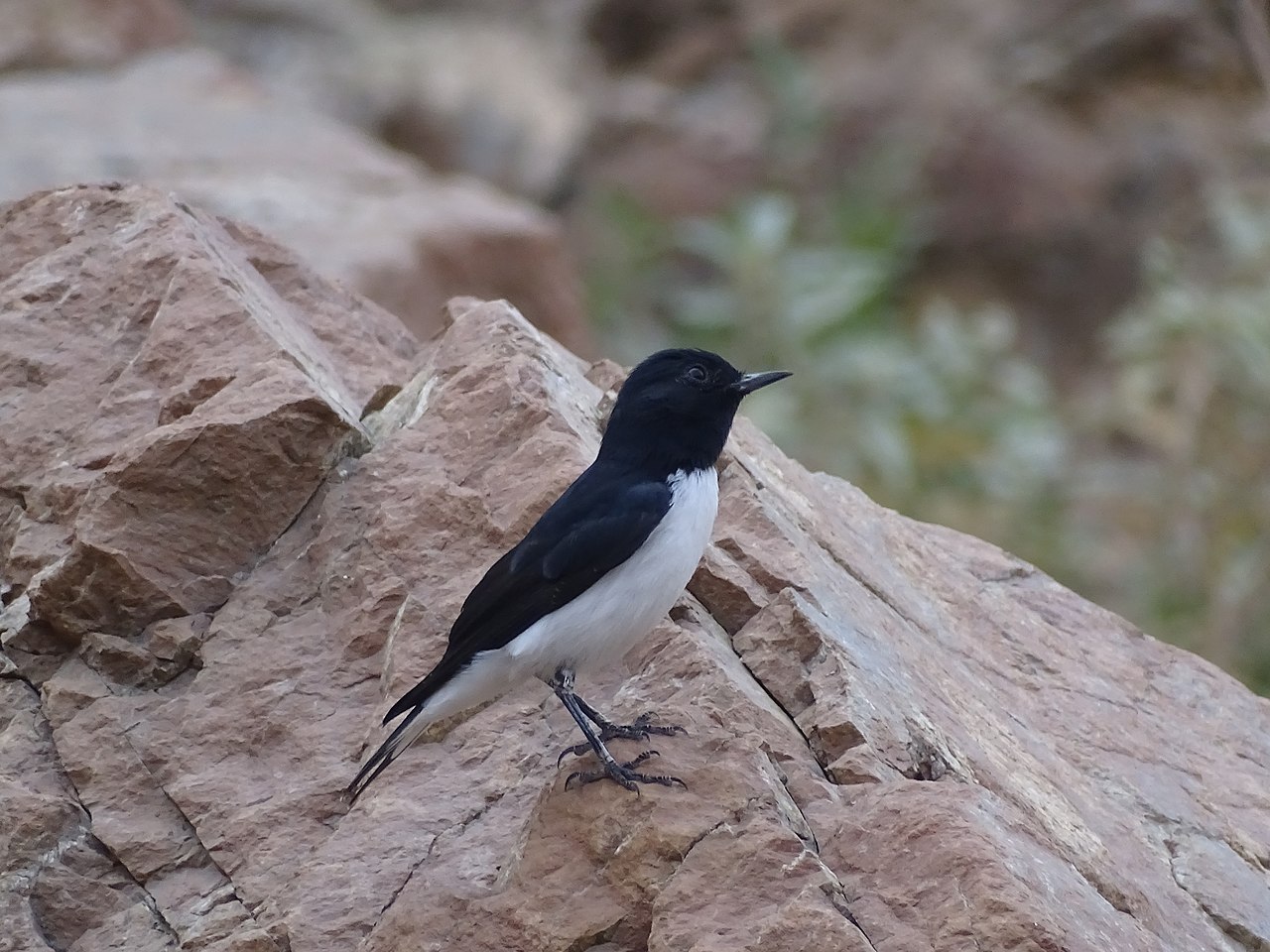
Humboldt's sapphire or Humboldt's hummingbird is a species of hummingbird in the "emeralds", tribe Trochilini of subfamily Trochilinae. It is found in Colombia, Ecuador, and Panama.
Region
Chocó–Esmeraldas Pacific coast (Panama, Colombia, Ecuador)
Typical Environment
This species inhabits coastal lowlands along the Pacific slope from eastern Panama through western Colombia to northwestern Ecuador. It is most frequently found in mangrove forests, including stands of Pelliciera rhizophorae and Rhizophora, and in adjacent coastal scrub and edges of moist lowland forest. It also occurs along tidal rivers, estuaries, and disturbed areas with abundant flowering shrubs near the shore. Local movements may track flowering peaks but it is generally a year-round resident.
Altitude Range
Sea level to 500 m
Climate Zone
Tropical
Ease of Keeping
Beginner friendly: 1/5
Humboldt's sapphire is a coastal hummingbird closely tied to Pacific mangrove habitats, especially along the Chocó–Esmeraldas region. It often feeds at flowers of mangroves and nearby coastal shrubs, and males may defend small nectar-rich territories. Like other hummingbirds, it supplements nectar with tiny insects for protein. Habitat loss of mangroves poses an ongoing concern for its populations.


Temperament
territorial around rich flower patches, otherwise unobtrusive
Flight Pattern
short rapid wingbeats with agile hovering
Social Behavior
Typically solitary at flowers, with males defending small feeding territories when resources are concentrated. Nests are tiny cup nests placed on low to mid-level branches, often near water or in edge habitats. Clutches are usually two eggs, and breeding timing appears to follow local flowering peaks.
Migratory Pattern
Resident
Song Description
Produces thin, high-pitched chips and twitters, often given during feeding or territorial chases. Males may deliver rapid, buzzy trills and sharp tic notes while displaying.
Plumage
Iridescent and largely green with a gleaming blue throat and upper breast; underparts may show paler tones toward the belly. Upperparts are metallic green; tail slightly forked with bronzy to bluish-green sheen.
Diet
Primarily consumes nectar from mangroves and coastal flowering shrubs, visiting blossoms repeatedly in a traplining or territorial pattern. Important nectar sources include Pelliciera rhizophorae, Rhizophora, and other seaside plants, as well as garden ornamentals in coastal settlements. It also takes small insects and spiders by hawking or gleaning to obtain proteins and micronutrients.
Preferred Environment
Feeds along mangrove edges, tidal channels, and coastal scrub where flowering plants are dense. It forages from low to mid canopy, often at the outer mangrove fringe and along sunlit forest margins.