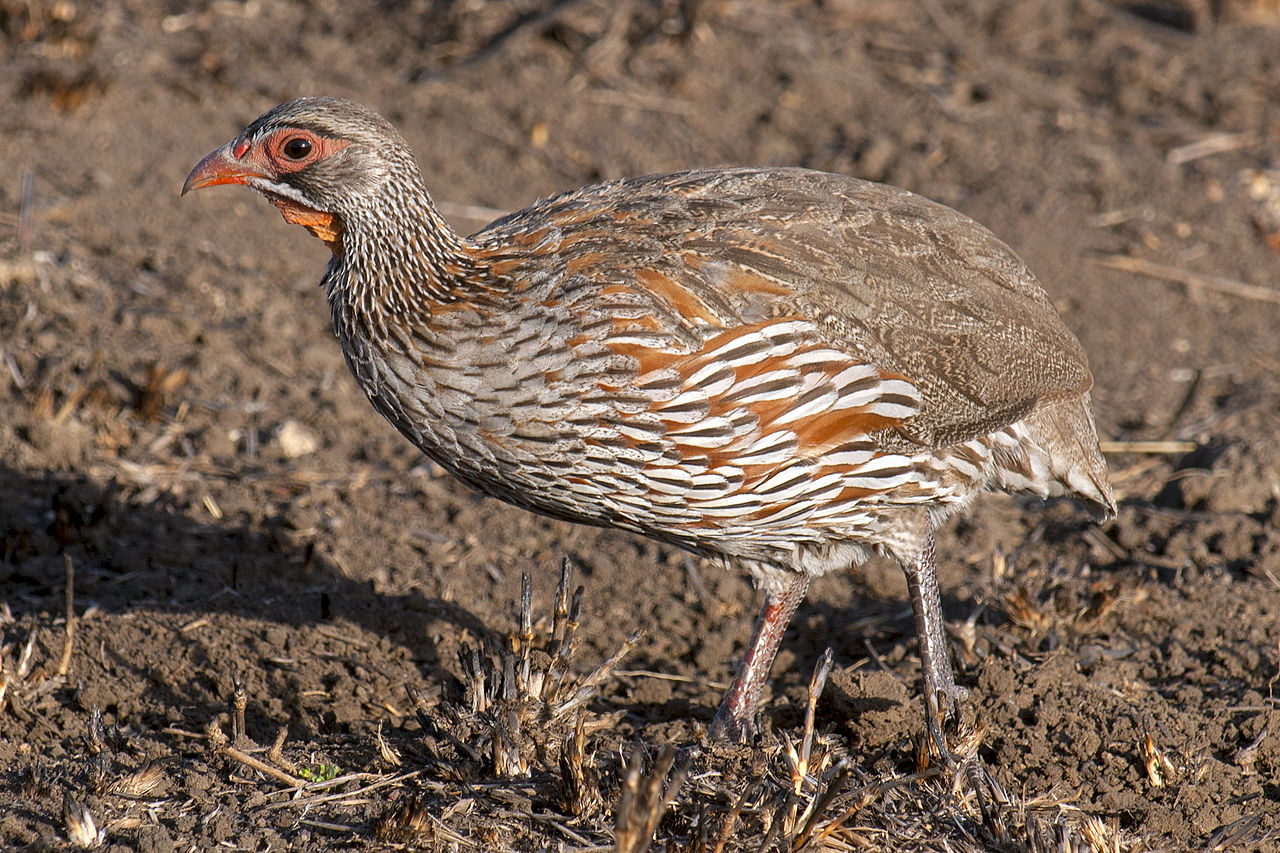
The grey-breasted spiderhunter is a species of bird in the family Nectariniidae. It is found in Brunei, Indonesia, Malaysia, Myanmar, Singapore, Thailand, and Vietnam. Its natural habitats are subtropical or tropical moist lowland forest and subtropical or tropical moist montane forest. It is sometimes considered conspecific with the streaky-breasted spiderhunter.
Region
Southeast Asia
Typical Environment
Occurs from Myanmar and Thailand through Peninsular Malaysia and Singapore to Brunei, Vietnam, and parts of Indonesia (Borneo and nearby islands). Inhabits lowland and hill dipterocarp forests, forest edge, and mature secondary growth with abundant flowering plants. Also ventures into montane forest and well-wooded plantations. Forages from understory to mid-canopy, especially where tubular flowers are abundant. Tolerates some habitat degradation but relies on forested mosaics.
Altitude Range
Sea level to 1800 m
Climate Zone
Tropical
Ease of Keeping
Beginner friendly: 1/5
This spiderhunter uses its long, decurved bill to probe flowers for nectar and to pick spiders straight from their webs. It often builds a neat, pendant nest stitched under the underside of broad leaves using spider silk. The species is sometimes treated as conspecific with the streaky-breasted spiderhunter, but differs in its plainer, greyer underparts.

Temperament
active and somewhat shy
Flight Pattern
short rapid wingbeats between perches
Social Behavior
Usually solitary or in pairs, occasionally joins mixed-species flocks when flowers are abundant. Nests are delicate, pouch-like structures suspended beneath broad leaves and bound with spider silk. Both parents typically participate in feeding the young.
Migratory Pattern
Resident
Song Description
Gives sharp, high-pitched tseet notes and squeaky, metallic calls. Song is a simple series of thin, repeated phrases delivered from concealed perches.
Plumage
Olive-green upperparts with a plain grey to greyish-olive breast and paler, slightly yellow-tinged belly; minimal streaking compared to related forms. Long, decurved bill typical of spiderhunters.
Diet
Takes nectar from tubular flowers such as gingers, bananas, and mistletoes, often probing deeply with its long bill. Also consumes spiders and small insects gleaned from foliage or taken directly from webs. Occasionally pierces the base of flowers to access nectar (nectar robbing).
Preferred Environment
Feeds in flowering shrubs and trees along forest edges, clearings, and mid-canopy layers. Frequently visits vine tangles and large-leaved plants where spiders and nectar are plentiful.