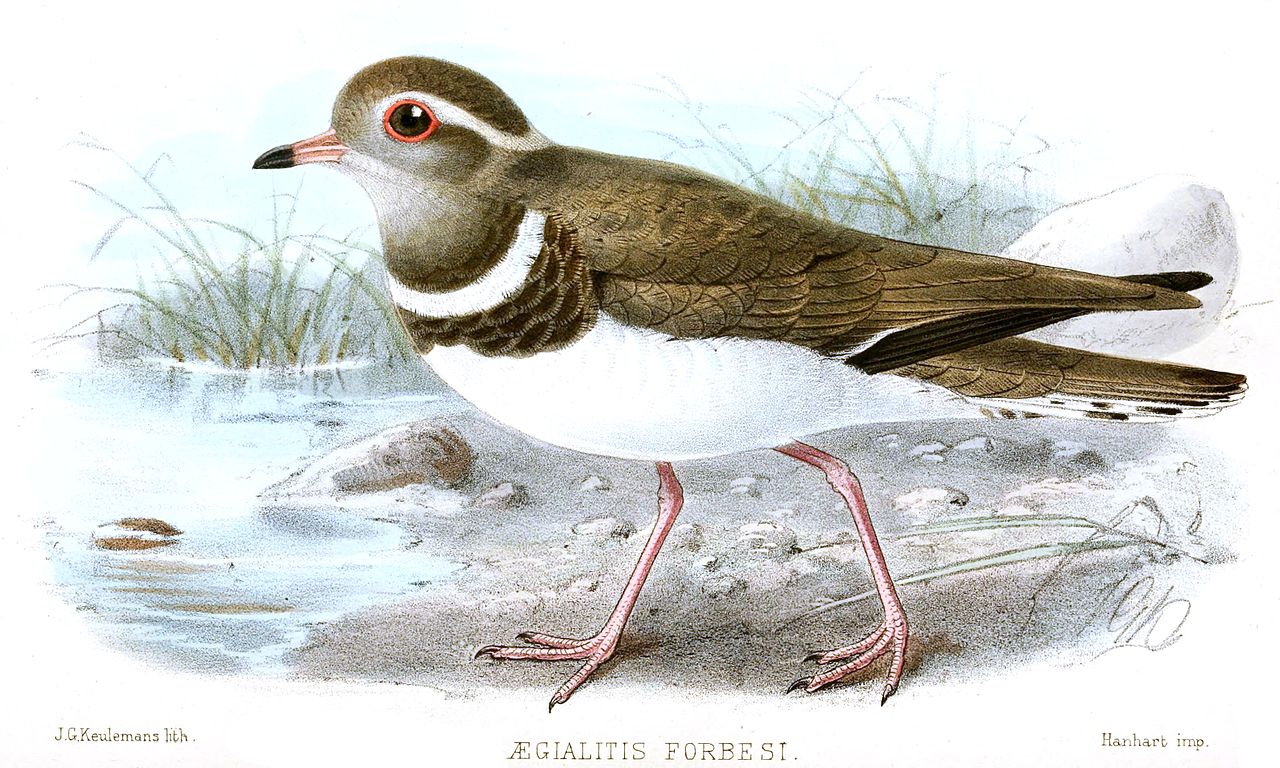
Forbes's blackbird is an endangered species of New World blackbird that is endemic to the Atlantic forest in South America. This species was named for the British zoologist William Alexander Forbes.
Region
Northeastern Brazil, Atlantic Forest
Typical Environment
Occurs in lowland and foothill remnants of the Atlantic Forest, especially at forest edges, secondary growth, and thickets. It also uses semi-open agricultural landscapes such as cocoa and sugarcane areas interspersed with tree cover. Prefers dense shrub layers and small trees for foraging and nesting. Fragmentation confines it to small, isolated patches where it may form small groups.
Altitude Range
Sea level to 600 m
Climate Zone
Tropical
Ease of Keeping
Beginner friendly: 1/5
Forbes's blackbird is an endangered icterid endemic to the highly fragmented Atlantic Forest of northeastern Brazil. Habitat loss and brood parasitism by the Shiny Cowbird are major threats. It often persists in secondary growth and agricultural mosaics, which can mask ongoing declines. Named for British zoologist William Alexander Forbes.


Temperament
wary but can be social in small groups
Flight Pattern
short rapid wingbeats with direct, slightly undulating flights
Social Behavior
Often forages in pairs or loose groups, sometimes associating with mixed-species flocks in edge habitats. Likely forms monogamous pairs during the breeding season, building cup-shaped nests in dense shrubs or small trees. Brood parasitism by Shiny Cowbirds is frequent and negatively impacts nesting success.
Migratory Pattern
Resident
Song Description
Song consists of simple, mellow whistles and short phrases interspersed with sharper notes. Calls include clear, metallic chinks and harsher scolding sounds when alarmed.
Plumage
Uniform, glossy black plumage with a subtle bluish-green sheen; smooth-textured feathers give a sleek appearance.
Diet
Feeds on a mix of arthropods such as beetles, caterpillars, and other insects gleaned from foliage and the ground. Also consumes fruits and berries when available, especially in edge and secondary habitats. Opportunistic forager that adjusts to seasonal availability of food resources.
Preferred Environment
Forages along forest edges, in secondary growth, and within scrubby thickets. Frequently uses agricultural mosaics like shaded plantations and field margins where trees and shrubs provide cover.