

Fischer's lovebird is a small parrot species of the genus Agapornis. They were originally discovered in the late 19th century. They are named after the 19th century German explorer of East Africa Gustav Fischer.
Region
East Africa
Typical Environment
The species occupies dry, open savanna and acacia–commiphora woodland of north-central Tanzania, especially around the southeastern shores of Lake Victoria and adjacent inland plateaus. It frequents thornbush, wooded farmland, and edges of cultivation where water is available nearby. Birds roost communally in dense shrubs or small trees and often utilize semi-arid scrub mosaics. Outside the native range, small feral groups occur locally where birds have escaped or been released.
Altitude Range
1100–1800 m
Climate Zone
Tropical
Ease of Keeping
Beginner friendly: 3/5
Fischer's lovebird is a small parrot native to north-central Tanzania and named for the German explorer Gustav Fischer, who worked in East Africa in the late 19th century. Females famously tuck strips of bark and leaves into their rump feathers to carry nesting material. It is a popular cage bird with many color mutations, and escaped birds have formed small feral populations outside its native range. Trapping and habitat change have affected wild numbers in parts of its limited range.


Green back and blue rump


Flock in tree in Serengeti, Tanzania

After a bath, they like to sun themselves.
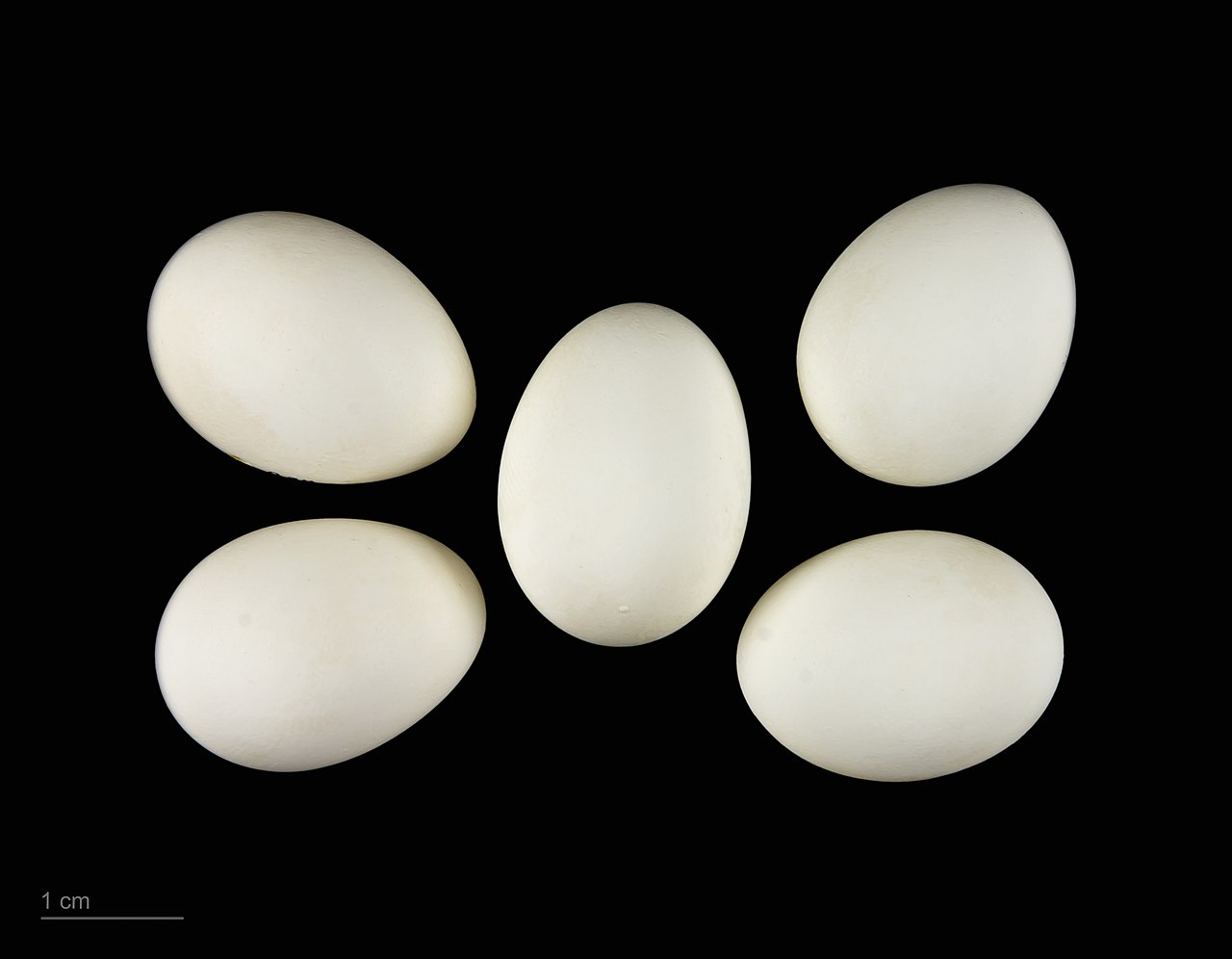
Agapornis fischeri - MHNT

Lovebirds are very active and love to chew things.

Lovebirds are very active.
Temperament
social and active
Flight Pattern
fast direct flight with rapid wingbeats
Social Behavior
Highly gregarious outside the breeding season, forming noisy flocks that feed and roost together. Strong, monogamous pair bonds are typical, with pairs maintaining close contact while foraging. Nests are built in tree cavities or crevices; females carry nest materials tucked into rump feathers.
Migratory Pattern
Resident
Song Description
Calls are high-pitched, sharp twitters and chatters delivered in rapid series. Flocks are vocal in flight, while paired birds exchange softer contact notes at close range.
Plumage
Compact, short-tailed parrot with a bright, clean color transition from orange face and throat to yellowish upper breast and rich green body; rump distinctly bluish.
Diet
Primarily granivorous, taking grass and weed seeds, millet-like grains, and cultivated crops such as sorghum and maize. Also consumes berries, fruit pulp, and buds, especially when seeds are scarce. Birds will visit crop fields and village edges, where they glean spilt grain and forage on seed heads.
Preferred Environment
Feeds in open savanna, thorn scrub, and at the margins of farmlands, often near water. Foraging occurs on the ground, on seeding grasses, and in low shrubs or trees. Communal feeding is common, with sentinels alerting flocks to danger.


