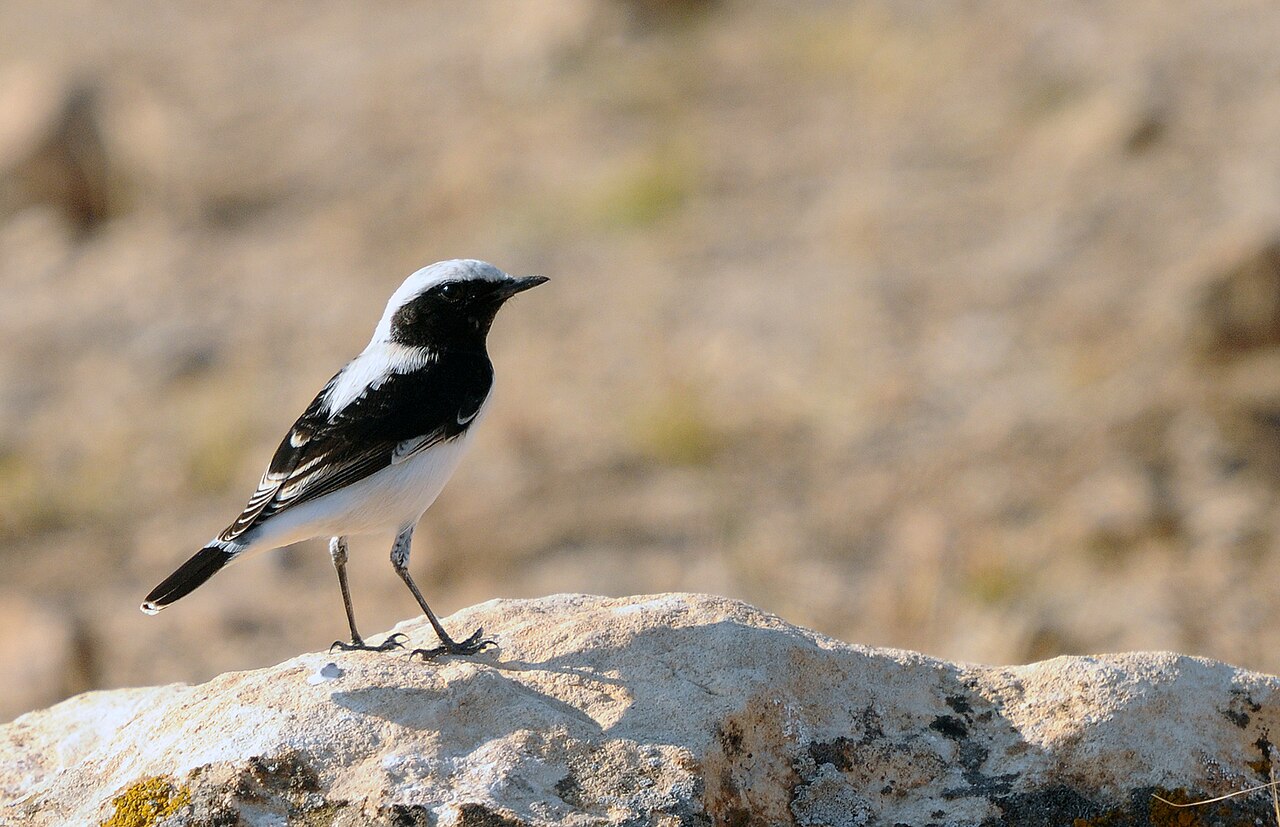
Finsch's bulbul is a species of songbird in the bulbul family, Pycnonotidae. It is found on the Malay Peninsula, Sumatra, and Borneo. Its natural habitat is subtropical or tropical moist lowland forests. It is threatened by habitat loss.
Region
Sundaland
Typical Environment
Occurs on the Malay Peninsula, Sumatra, and Borneo, primarily in intact and lightly logged lowland evergreen forest. It favors the mid to upper canopy and frequents edges and riverine corridors where fruiting trees are common. It may enter selectively logged forest but generally avoids open plantations. Local occurrence is patchy where forests have been fragmented.
Altitude Range
Sea level to 800 m
Climate Zone
Tropical
Ease of Keeping
Beginner friendly: 1/5
Named for the German naturalist Otto Finsch, this bulbul is a canopy-dwelling songbird of Southeast Asia’s Sundaic lowlands. It is often overlooked due to its quiet demeanor and olive-toned plumage but can be detected by its mellow, fluty whistles. Habitat loss from lowland forest clearing is the primary threat. It sometimes joins mixed-species flocks, especially around fruiting trees.


Temperament
shy and canopy-oriented
Flight Pattern
short rapid wingbeats between perches; low, bounding flights through the mid-canopy
Social Behavior
Usually seen singly, in pairs, or small family groups, and often associates with mixed-species flocks when foraging. Builds a neat cup nest from rootlets and fibers placed in a forked branch. Breeding is seasonal and tied to local rainfall and fruiting cycles.
Migratory Pattern
Resident
Song Description
A mellow series of clear, fluty whistles interspersed with soft chattering notes. Phrases are repeated from a concealed perch high in the canopy, carrying modestly through the forest.
Plumage
Olive-brown upperparts with paler olive to yellow-tinged underparts and a clean, whitish throat. Slightly fluffier throat feathers give a subtle contrast, and the crown can appear faintly crested when alert. The overall texture is smooth with minimal streaking.
Diet
Takes small fruits and berries, including figs, and supplements its diet with insects and other small arthropods. Gleaning from foliage and twigs is common, with occasional short sallies to snatch prey. It swallows small fruits whole and aids in seed dispersal.
Preferred Environment
Primarily forages in the mid to upper canopy, especially around fruiting trees along forest edges and riparian zones. Will use gaps and secondary growth where fruit resources are abundant.