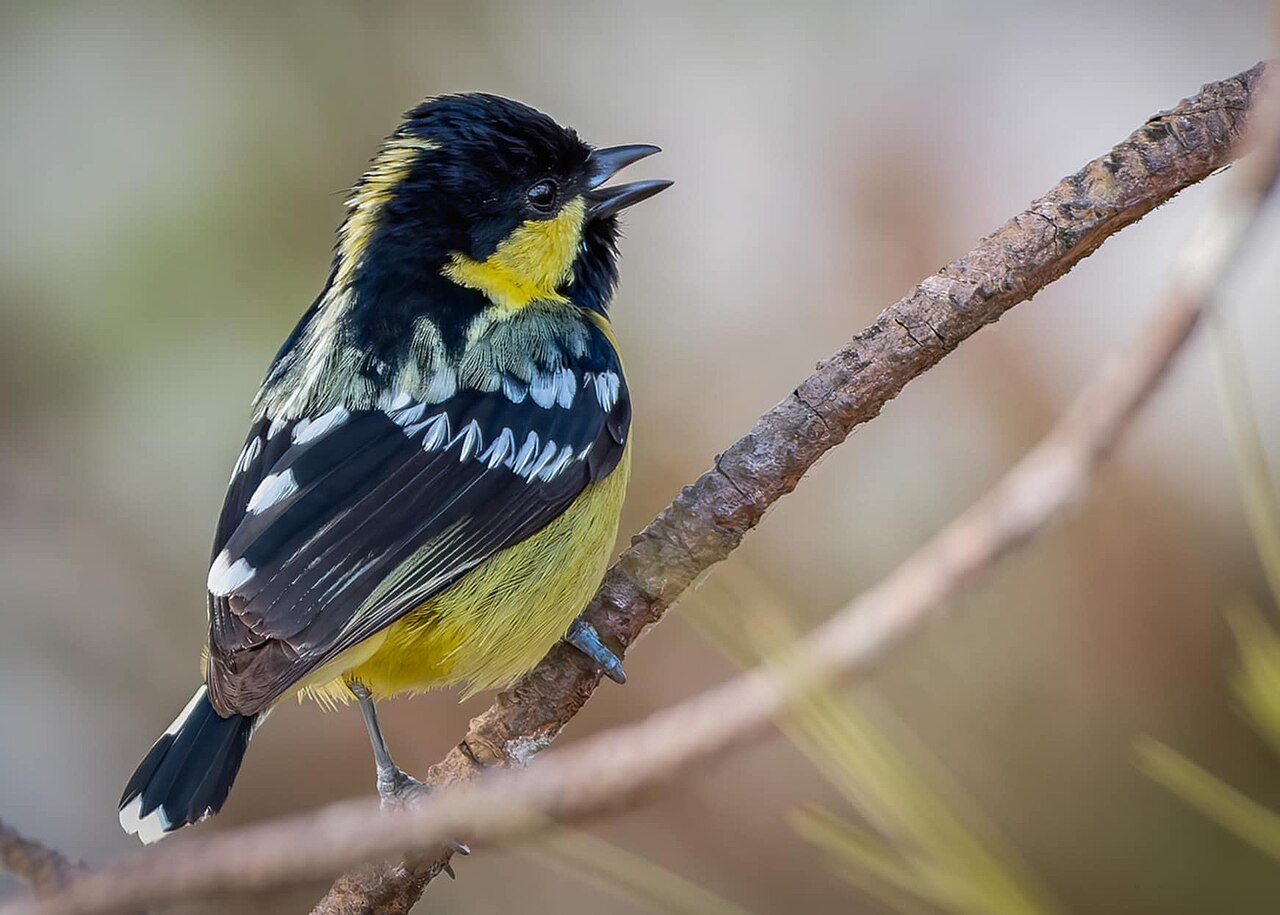
The elegant parrot is a species of parrot in the family Psittaculidae. It is endemic to Australia.
Region
Southern Australia
Typical Environment
Found across semi-arid and temperate parts of southern Australia, including southwest Western Australia, South Australia, and into western Victoria. It frequents open eucalypt woodland, mallee, acacia and chenopod shrublands, samphire around salt lakes, and lightly wooded farmland. The species often forages along track edges, saline flats, and grassy clearings. It uses tree hollows for nesting, commonly near creeks or ephemeral waterbodies.
Altitude Range
Sea level to 800 m
Climate Zone
Temperate
Ease of Keeping
Beginner friendly: 3/5
The elegant parrot, also called the elegant grass parakeet, is a small Neophema parrot endemic to southern Australia. It often feeds quietly on the ground and can be overlooked despite its bright colors. Pairs nest in tree hollows, especially in eucalypts near watercourses, and show nomadic movements following seeding plants.


Temperament
wary but social
Flight Pattern
low, fast and direct with rapid wingbeats
Social Behavior
Usually seen in pairs or small flocks, sometimes larger post-breeding groups. Nests in natural tree hollows, especially eucalypts, with pairs generally monogamous for the season. Breeding occurs mainly in spring to early summer, and birds often roost communally in shrubs or trees.
Migratory Pattern
Partial migrant
Song Description
Calls are soft, tinkling and twittering, with thin high-pitched 'tsee' contact notes given in flight. Song is quiet and simple, often a series of gentle chattering trills.
Plumage
Olive-green upperparts with bright yellow underparts, often with a small orange wash on the lower belly. A narrow deep-blue frontal band across the forehead is bordered by paler blue, and the wings show blue on the shoulder and outer coverts. The tail is long, greenish above and yellowish below.
Diet
Primarily takes seeds of native grasses, saltbush and other chenopods, as well as acacia and other shrub seeds. It also nibbles on buds, flowers and small fruits when available. Feeding is mostly on the ground, picking seeds from soil or low vegetation.
Preferred Environment
Open shrublands, mallee edges, samphire flats, and lightly grazed pasture margins. Often forages along tracks, saline lake margins, and beneath scattered trees where seeding plants are abundant.